Labour Leader Starmer Battles for Control After Key Resignation
Keir Starmer faces a significant leadership crisis after his closest adviser, Morgan McSweeney, resigned amid controversy over Peter Mandelson's US ambassador appointment and his Epstein links. McSweeney accepted full responsibility, but his departure leaves Starmer exposed to escalating pressure and challenges, raising questions about his judgment and the future of his premiership.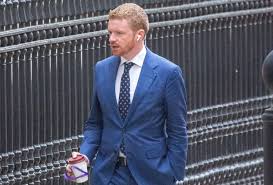
Keir Starmer’s leadership faces a serious challenge following the resignation of his closest adviser and chief of staff, Morgan McSweeney.
The move comes after intense criticism over the controversial appointment of Peter Mandelson as US Ambassador, given Mandelson’s ties to Jeffrey Epstein.
McSweeney, who played a key role in Starmer’s rise, accepted “full responsibility” for advising on the appointment, admitting his advice “undermined trust in Labour and in politics itself.”
McSweeney’s resignation, announced Sunday after days of pressure and discussions with Starmer, is a major blow to the prime minister.
While some allies hoped it would calm anger among MPs, Senior Labour sources say it leaves Starmer “dangerously exposed,” particularly ahead of the Gorton and Denton byelections.
Without McSweeney absorbing criticism, Starmer now faces direct scrutiny.
The controversy centers on Mandelson’s appointment despite warnings from the Cabinet Office’s ethics team about reputational risks.
In his resignation, McSweeney called the decision “wrong” and urged a “fundamental overhaul” of vetting procedures.
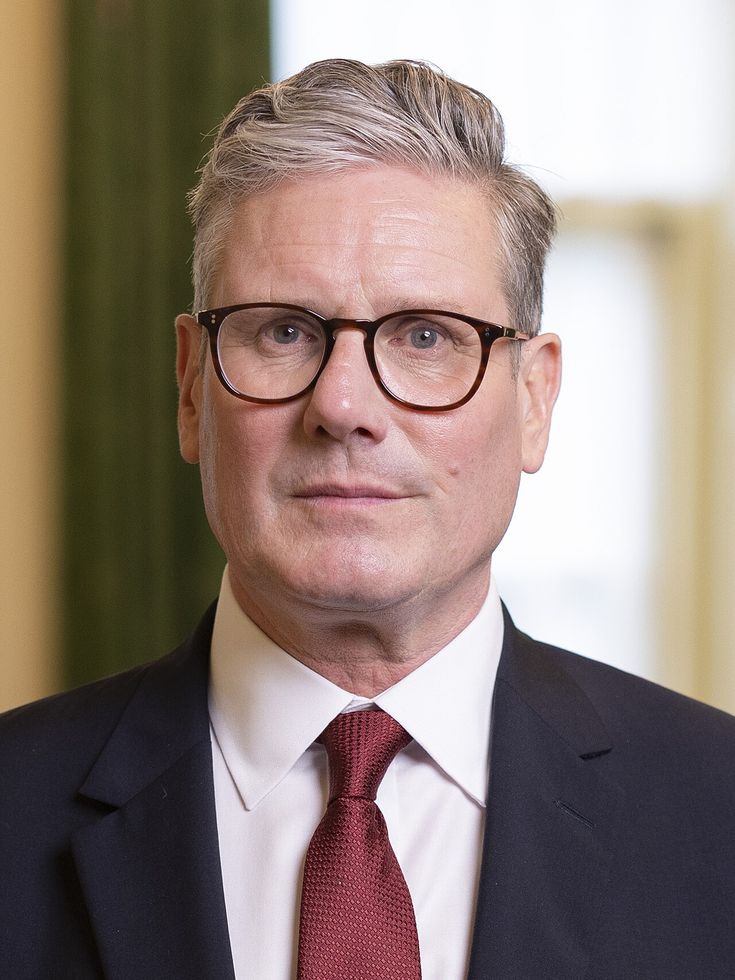
Labour reactions are divided. Supporters call McSweeney a “political genius” who helped secure Labour’s 2024 landslide victory and protect Starmer, while critics see his departure as exposing deeper issues in the leadership.
Some MPs accuse him of running a “male-dominated cabal” that sidelined elected members, prioritized personal networks, and favored Mandelson over the party’s interests.
Labour MP Clive Lewis warned that McSweeney’s exit reflects a longstanding political culture in the party, not a cleansing moment.
Pressure on Starmer is expected to grow with the upcoming release of documents and private communications involving Mandelson and No. 10 officials, which could shed more light on the decision-making process.
Conservative Leader Kemi Badenoch has called for Starmer to “take responsibility” for the controversial appointment.
While McSweeney’s resignation may ease short-term tensions, it removes a key buffer for Starmer.
He will now bear more direct accountability for future political setbacks, including potential losses in local elections.
Some backbenchers already question his leadership, criticizing him as unwilling to take responsibility.
Starmer expressed “immense gratitude” to McSweeney, crediting him with revitalizing the party and contributing to the landslide victory.
This marks the second Downing Street chief of staff to leave under Starmer, following Sue Gray in 2024. McSweeney plans to step back from politics temporarily, though a return is anticipated.
The crisis leaves Starmer in a precarious position, facing heightened scrutiny over his judgment and leadership amid the fallout from the Mandelson appointment.