Kenya Says Unlicensed Loan Apps Can't Sue Borrowers. Is That Consumer Protection Or A Legal Loophole
Kenya's ruling against unlicensed loan apps raises difficult questions about consumer protection, financial responsibility and fintech regulation across Africa's growing digital lending ecosystem.
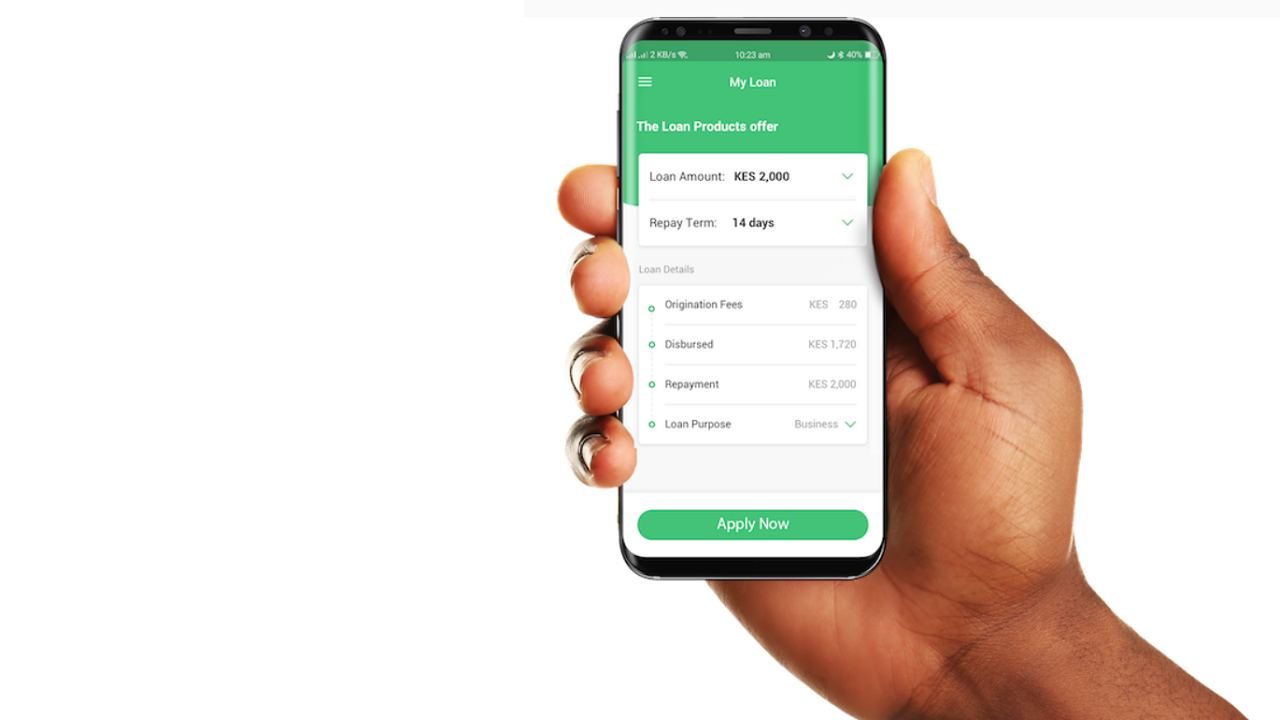
Imagine borrowing money from a company that was never legally allowed to lend it to you in the first place. You get the chance to spend the money. You make a few repayments and then, perhaps, life happens, and you default.
The usual script is that months later, the company threatens legal action. They want their money back. You know you owe it. Then a court steps in and says they cannot sue you because they were never supposed to be lending money to you in the first place.
Suddenly, what comes to the mind of an average loan app user is that everyone wins and loses at the same time.
Now, the questions that need to be asked are simple. Did you borrow the money? Yes. Should you pay it back? Probably. Should the company have been lending money in the first place? Probably not.
This is the uncomfortable conversation Kenya has found itself having after a Nairobi Small Claims Court ruled that unlicensed digital lenders cannot use the courts to recover unpaid loans.
Two companies seeking to recover debts failed to prove they possessed licences from the Central Bank of Kenya, and their cases were consequently struck out. The ruling sounds straightforward until you begin asking the difficult questions.
If an unlicensed lender cannot enforce its contract in court, should it have been allowed to give out the loan in the first place? On what legal basis was it operating?
And if borrowers knowingly take loans and refuse to repay simply because the lender is unlicensed, are we protecting consumers or encouraging financial irresponsibility?
The ruling may have come from Kenya, but the questions it raises are becoming increasingly relevant across Africa's digital lending economy.
The Real Problem Isn't The Debt. It's The Licence.
For years, digital loan apps across Africa have promised quick and convenient access to money. In many cases, they have delivered exactly that.
They have helped bridge financial gaps for millions of people who either do not qualify for traditional bank loans or simply need immediate access to credit.
But convenience without accountability is a dangerous thing. Kenya introduced licensing requirements for digital lenders for good reason. Loan apps handle sensitive financial information. They determine who receives credit, how much they receive, how repayments are collected and, in some cases, what happens when borrowers default.
The continent is no stranger to the darker side of digital lending. Stories of predatory interest rates, harassment of borrowers, public shaming tactics and the misuse of consumers' personal data have become increasingly common.
Regulators across Africa have spent years trying to strike a balance between financial inclusion and consumer protection. Licensing exists precisely because lending money is not an ordinary business. People's livelihoods and financial futures are often attached to these transactions.
Yet despite mandatory licensing requirements, unlicensed lenders continue to operate. That raises another uncomfortable question: who exactly failed here?
Was it the loan app for operating without regulatory approval? Was it the borrower for accepting money from an unlicensed lender? Or was it the regulator for allowing consumers to interact with businesses that had no legal standing to begin with?
Governments cannot simultaneously declare an industry illegal and quietly allow it to continue operating until consumers become victims.
The issue is not the court ruling itself. The bigger issue is why Kenyans were able to download, borrow money from and interact with companies that should never have been operating in the first place.
Debt Is Still Debt, Even When The Lender Is Wrong.

There is another uncomfortable reality that many people celebrating this ruling may not want to hear. Debt is still debt.
Social media has a habit of turning legal victories into moral victories. Some borrowers will inevitably interpret this judgment as permission to walk away from loans they knowingly took.
That is not what the court said. Money was borrowed. Capital was provided. Financial obligations existed before the legal dispute began.
Consumer protection should never become consumer exploitation. Borrowed money does not magically become a gift simply because the lender violated regulatory requirements. The law can invalidate a contract. It cannot rewrite ethics.
There is a difference between protecting consumers from predatory lenders and encouraging a culture where financial obligations become optional whenever a legal technicality appears.
If we normalise refusing repayment whenever loopholes exist, what kind of credit culture are we building across Africa?
Trust remains one of the most valuable currencies in Africa's rapidly growing fintech ecosystem. Legitimate lenders rely on repayment behaviour to determine future lending decisions. Financial institutions assess risk before extending credit.
If borrowers begin to view debt as negotiable whenever legal disputes emerge, lending inevitably becomes more expensive, more restrictive and less accessible. Ironically, the people most affected are often those who need access to credit the most. Accountability cannot belong to only one side of the transaction.
Africa Doesn't Just Need More Loan Apps. It Needs Better Ones.
This conversation is much bigger than Kenya. Across Africa, digital lending has become one of fintech's greatest success stories. From Nigeria's thriving loan app ecosystem to mobile lending platforms in Ghana, South Africa and Uganda, millions of Africans now have access to financial services that would have been unimaginable a decade ago.
Yet innovation continues to move faster than regulation. The question Africa should be asking is not whether loan apps are good or bad. It is whether they are accountable.
Who licensed them? Where is borrowers' data stored? What interest rates are they charging? How do they recover debts? Who regulates them? Who protects consumers when things go wrong?
Financial inclusion should not mean financial vulnerability. Many Africans do not simply borrow money from loan apps. They borrow trust. They trust that regulators have done their jobs. They trust that the businesses operating on their smartphones have met minimum legal and ethical standards.
That trust should never be taken for granted. Africa does not simply need more fintech startups or more digital lenders. It needs institutions capable of keeping pace with innovation and businesses willing to operate within the law. More importantly, it needs financially responsible consumers who understand that rights and responsibilities often go hand in hand.
More Than A Court Victory
Kenya's ruling is neither a victory for borrowers nor a defeat for lenders. It is a reminder that accountability cannot be optional in Africa's digital economy.
Perhaps the most important question this judgment leaves behind isn't whether unlicensed loan apps should be allowed to sue borrowers. It is why they were allowed to lend money in the first place.
Consumers deserve protection. Businesses deserve regulatory clarity. Debts deserve accountability. Those three things can exist at the same time.
Africa's fintech future will not be determined by how many loan apps it builds. It will be determined by how well it learns to regulate them.
Because when money changes hands illegally, somebody has already failed long before the court gets involved.