Keir Starmer's Leadership Turmoil: Lifeline or Lost Authority?

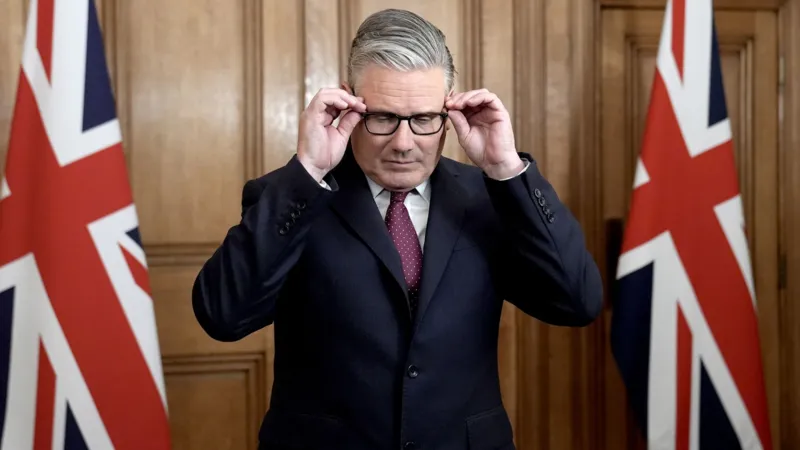
As Westminster prepared for Wednesday’s state opening of parliament, King Charles was set to outline a legislative programme for a government whose leader, Keir Starmer, found his authority significantly challenged. Despite remaining prime minister, his position appeared shredded after two days of intense confusion and drama, following Labour’s crushing defeat in last Thursday’s elections across England, Scotland, and Wales. The party had promised to end political upheaval, yet found itself embroiled in deep internal conflict.
Starmer had been widely expected to face severe pressure after the election results, and a much-anticipated Monday speech, billed as a “make-or-break reset,” was broadly considered a failure. In the aftermath, almost a quarter of his Labour MPs formally requested his departure, either immediately or in the coming months. Several ministers resigned, with one, Jess Phillips, criticizing Starmer as too weak and overly focused on process to enact meaningful change. One backbencher lamented, “You can only lead if you have the broad support of your party, and it’s now undeniably true that Keir doesn’t.”
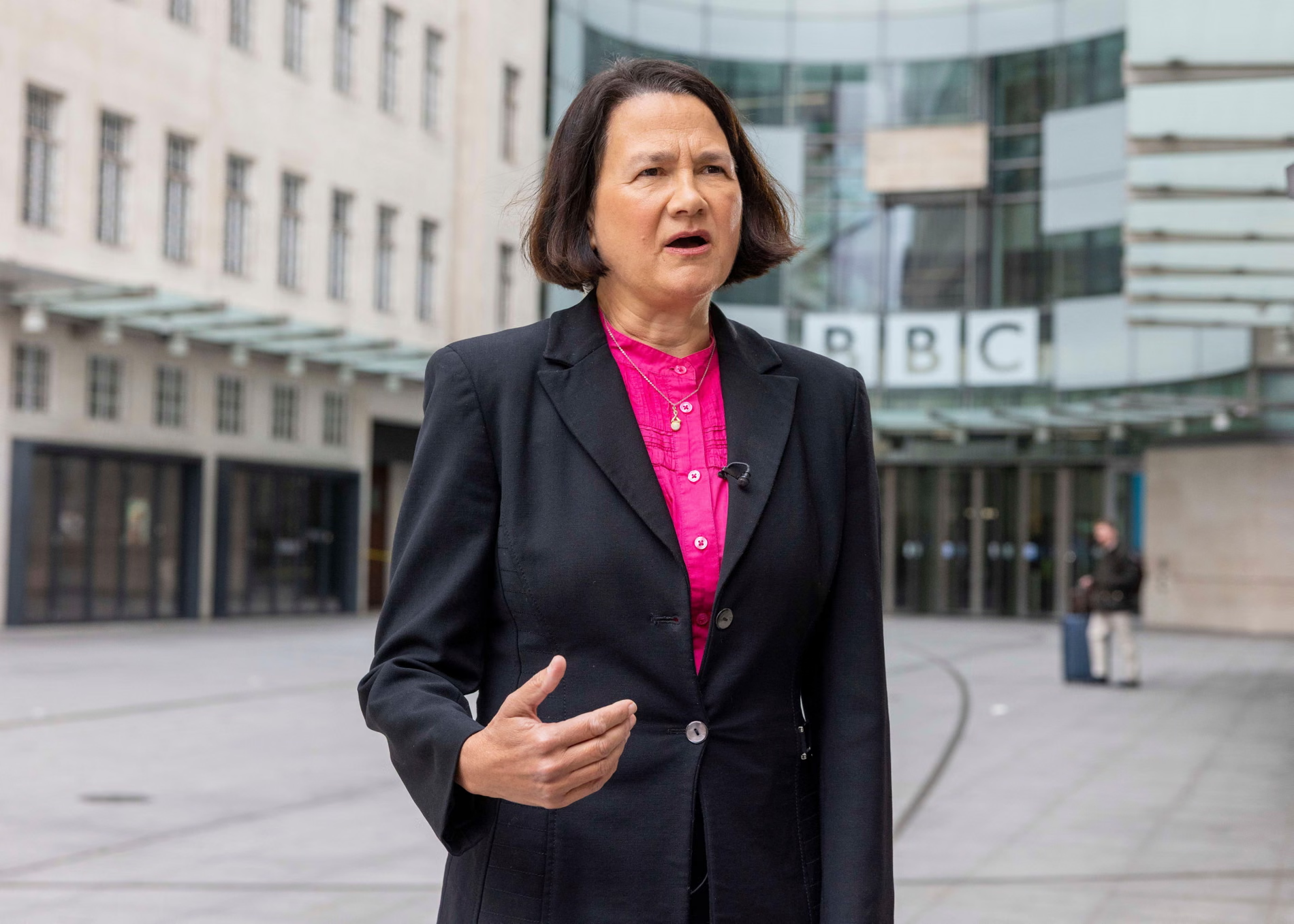
The catalyst for the public dissent began on Saturday afternoon with an unexpected intervention from Catherine West, a north London MP and former Foreign Office minister. Distraught by the loss of many Labour council seats, West announced her intention to gather the names of 81 Labour MPs required to trigger a leadership challenge. Although her “quixotic crusade” quickly “fizzled out” by Monday, it effectively focused minds within the party.
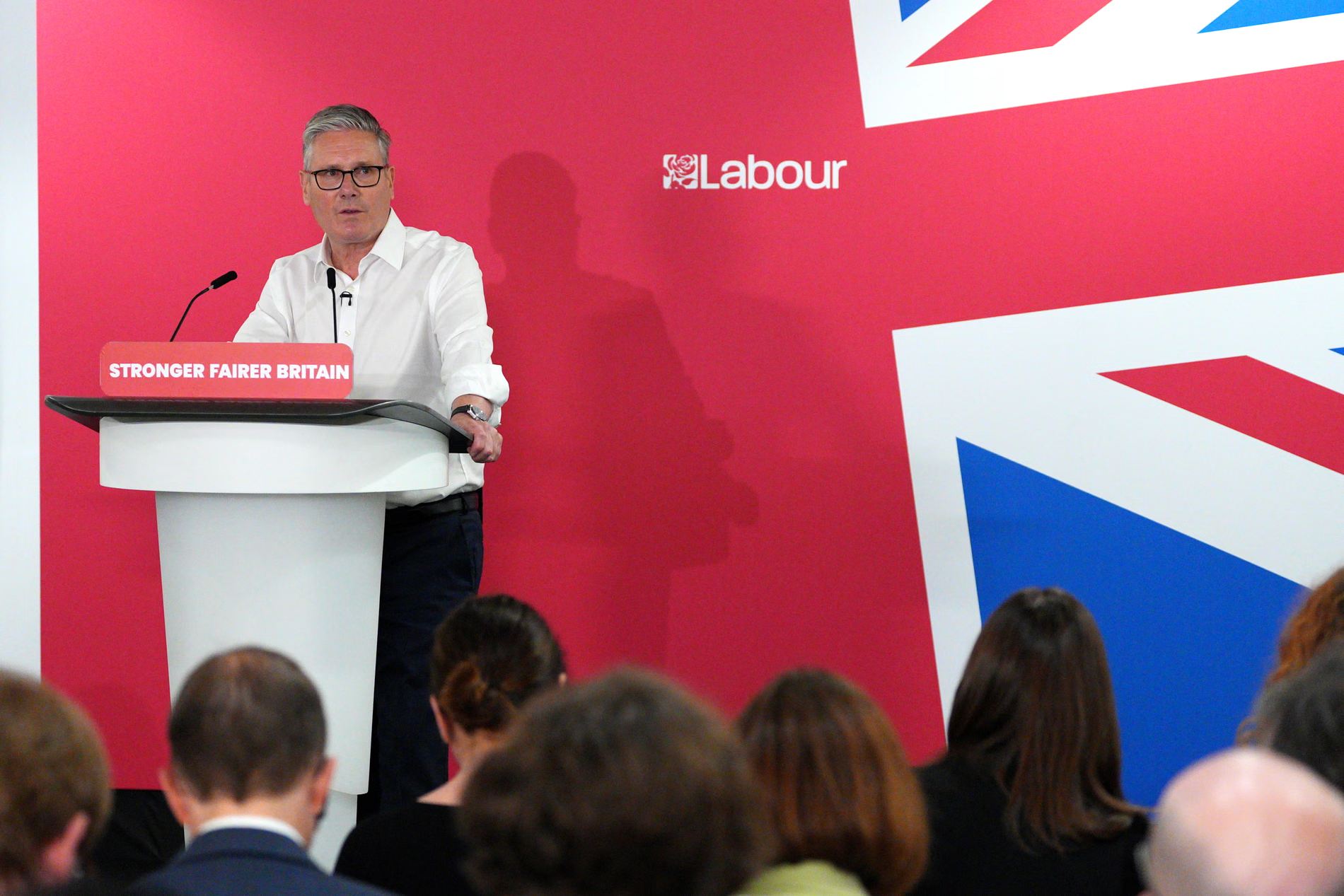
Downing Street had hoped a passionate speech from Starmer on Monday morning would quell the rebellion. However, while vehement, his new policy prescriptions—including slightly closer EU ties and formally nationalising British Steel, which was already under de facto state control—were largely incremental. Throughout the day, a growing list of MPs called for a departure date, alongside rumors of rolling ministerial resignations, a tactic previously used to unseat prime ministers like Boris Johnson. Initially, only a handful of principal private secretaries, the lowest rung of frontbench roles, resigned, with a defiant Downing Street quickly naming replacements.
The traditional route to remove unpopular prime ministers involves senior cabinet colleagues delivering the message that “the game is up.” On Monday evening, reports emerged that Foreign Secretary Yvette Cooper and Home Secretary Shabana Mahmood had advised Starmer to make way for a new leader. Other senior ministers reportedly discussed the parameters of a “responsible, dignified, orderly” exit. Yet, Starmer remained defiant.
Tuesday began with further uncertainty as bond markets reacted to anticipated political turmoil. During the regular Tuesday morning cabinet meeting, Number 10 officials preemptively released Starmer’s opening remarks: “The Labour party has a process for challenging a leader and that has not been triggered. The country expects us to get on with governing. That is what I am doing and what we must do as a cabinet.” An official summary of the discussions followed, described as having the air of a “Soviet-era bulletin,” stating that ministers looked forward to the King’s speech and reiterated their ambition for a stronger, fairer United Kingdom. Inside the meeting, Starmer swiftly moved the conversation to the Middle East, effectively preventing any immediate challenges. Wes Streeting, the health secretary, reportedly attempted a private conversation with the prime minister but was rebuffed.
Starmer’s decision to dig in did not sit well with all MPs. One critical backbencher remarked, “King of the Limpets decided he would cling on for several more hours. Every time with him it is process not politics.” Starmer’s firm stance was also seen as a direct challenge to Streeting to “put up or shut up.” Tuesday saw a series of ministerial resignations, though none from the very top. Miatta Fahnbulleh, a communities minister, resigned first, followed by Jess Phillips (safeguarding minister), Alex Davies-Jones (victims minister), and Zubir Ahmed (health minister)—three close allies of Streeting. These events highlighted the deep divisions within the Labour party regarding its future direction.
The party remained starkly divided, with over 90 backbenchers calling for Starmer’s exit, while more than 100 MPs signed a letter asserting that a leadership contest would be “ludicrous and damaging.” While some cabinet ministers privately believed a change was necessary, others publicly defended Starmer. Even among those seeking change, there were significant differences in timing.
Potential challengers faced their own dilemmas. Supporters of Greater Manchester Mayor Andy Burnham, a likely contender, aimed to slow down any process, as Burnham would need to win a byelection to return to parliament before he could contest the leadership. His hopes were dampened when Merseyside MP Marie Rimmer, whose seat was considered for a potential byelection, refused to stand down and backed Starmer. In contrast, Wes Streeting had a clear incentive to act early, given assumptions that Burnham would likely win a vote of Labour members. However, by Tuesday, confidence grew in Downing Street that Streeting lacked the 81 MPs required for a formal leadership bid, despite several allies resigning. Streeting was expected to hold talks with Starmer on Wednesday, with insiders suggesting he was backing down from intense speculation.
Ed Miliband, a former Labour leader, publicly stated he did not wish to resume the role, but sources suggested he was prepared to run if Streeting had launched a bid, seeing himself as a kingmaker who could strike a deal with Angela Rayner or Louise Haigh as a soft-left candidate. However, sources close to Miliband later denied he was preparing to run, calling it “mischief making.”
Labour-supporting unions were also divided. At a private meeting on Tuesday, some argued for Starmer to set a timetable for his departure, leading to a “big fight.” They ultimately agreed to issue a statement acknowledging that Starmer would not lead the party into the next election, despite some unions like GMB and Community arguing against involvement in leadership drama. The leaked statement declared, “Labour is not doing enough to deliver the change that working people voted for at the general election… It’s clear that the prime minister will not lead Labour into the next election, and at some stage a plan will have to be put in place for the election of a new leader.”
By Tuesday night, Starmer was increasingly confident he had seen off the immediate threat to his job. David Lammy, the deputy prime minister, urged MPs to step back and focus on governance. “It’s been 24 hours now and nobody has come forward to put themselves forward… No one seems to have the names to stand up against Keir Starmer,” Lammy stated, challenging critics to name a better candidate. Downing Street announced new ministerial appointments to replace those who had resigned, including Natalie Fleet, Nesil Caliskan, Catherine Atkinson, and Preet Kaur Gill. Home Secretary Shabana Mahmood, who had been on “resignation watch,” confirmed she was getting on with her job.
While Starmer appears to have survived the immediate crisis, even his most loyal ministers concede that his leadership into the next general election is unlikely without a dramatic reversal of fortunes. Starmer, the UK’s sixth prime minister in less than a decade, faces ongoing challenges to his fragile authority as the King’s speech aims to be a “reset moment” for a deeply divided party.
Recommended Articles
Labour Party in Turmoil: Over 100 MPs Demand Starmer's Resignation

Deep divisions are rocking the Labour party following disappointing May election results, as mounting calls for Keir Sta...
Labour Leader Keir Starmer Faces Political Storm as Rebellion Brews

Keir Starmer faces an intense leadership challenge following Labour's local election losses, with Angela Rayner, Wes Str...
Labour Civil War Explodes: Starmer Fights For Survival As Rayner & Streeting Circle

Angela Rayner has issued a stark warning to Keir Starmer, signalling a push for a hard-Left Labour revolution and aligni...
Starmer Under Siege: Labour's Post-Election Catastrophe Sparks Leadership Crisis as Miliband Bid Looms

The Labour Party is in turmoil following a catastrophic performance in recent local elections, which has intensified cal...
UK Voters Deliver Crushing Blow to Labour: Starmer's Future in Doubt!

The recent UK elections signal a historic shift, ending traditional party dominance with Labour's catastrophic losses, R...
You may also like...
Maddison Blasts Officials: Referees 'Petrified' to Make Key Decisions

Tottenham Hotspur midfielder James Maddison has criticized officials and VAR after being denied a crucial late penalty i...
Cannes Unleashed: Peter Jackson Honored, Jane Fonda Roars, and James Franco Stirs Controversy at Film Fest Kickoff!

Amidst a Cannes Film Festival marked by discussions on AI's impact, a new AI-native studio, Storyverse, launched its inn...
Disney's Star-Studded 2026 Upfronts: Bananas, Kimmel & AHS Steal the Show!

Disney’s annual upfront presentation combined exciting content announcements with Jimmy Kimmel’s return, marked by his c...
Binance's AI Shield: Billion-Dollar Hacker Attacks Foiled by Advanced Security

The cryptocurrency sector faces a structural crisis in retail investor safety, with digital asset fraud surging to $17 b...
Google's Gemini-Powered Android Shatters Apple Divide, Reshaping Mobile Landscape

Google's latest I/O conference revealed a major shift for Android, transforming it into an autonomous agent powered by G...
Crypto Clash in Congress: Senate Unveils Mammoth Bill as Unions & Banks Mobilize Opposition!

The U.S. Senate is actively debating the Digital Asset Market Clarity Act, a critical cryptocurrency market structure bi...
Keir Starmer's Leadership Turmoil: Lifeline or Lost Authority?

Keir Starmer's leadership faces severe challenge following Labour's election losses and internal calls for his resignati...
Shocking Miwani Land Circus: Ghost Figure Behind Auction Plot Exposed

A fierce battle is raging over the 9,394-acre Miwani Sugar Mills property in Kisumu County, which is allegedly being tar...