Iran War Escalation Raises Fears of U.S. Ground Invasion
Global tensions rise as the Iran war escalates, with fears of a potential U.S. ground invasion, economic disruption, and growing international calls for de-escalation.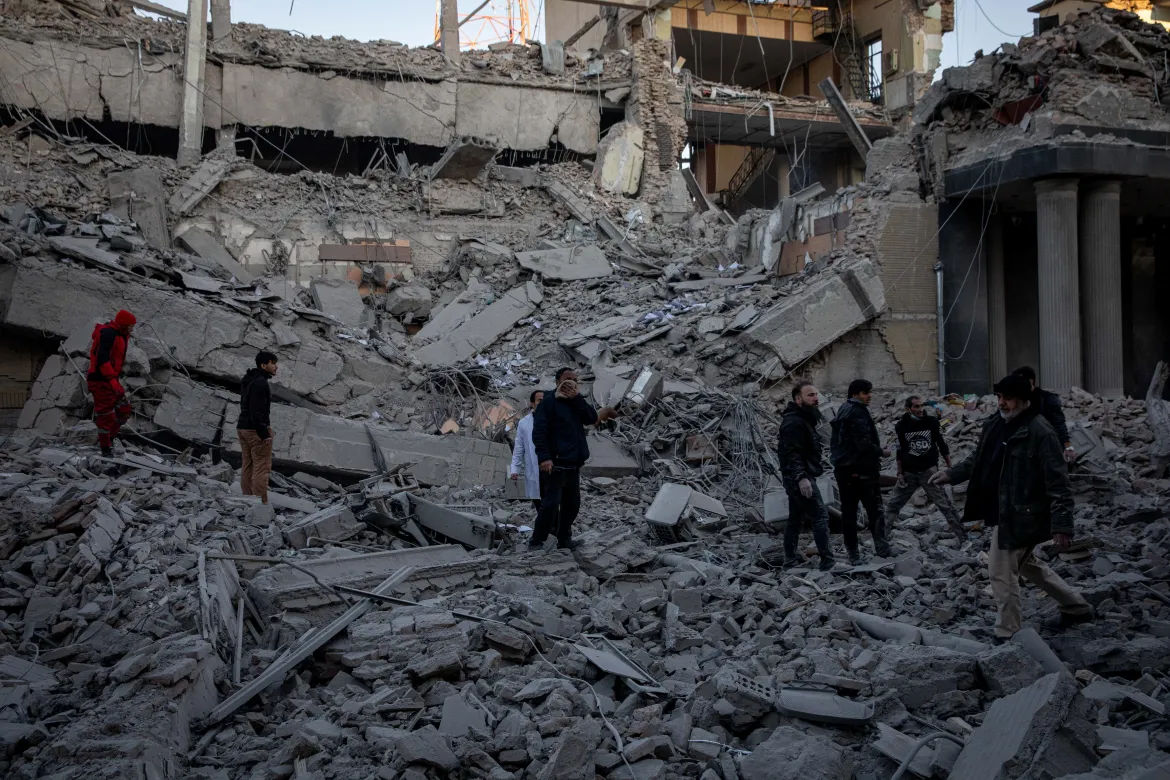
A sharp generational divide has emerged within the Conservative movement over the escalating Iran war. Younger conservatives at CPAC voiced disappointment with President Donald Trump’s military strikes, arguing they contradict his pledge to avoid foreign entanglements.
Older conservatives defended the strikes as a necessary response to security threats against the United States. Trump’s absence from the Texas conference—reportedly due to the unfolding conflict—intensified debate about the movement’s direction.
The war has now entered its second month, with fears mounting over a potential U.S. invasion of Iran. Tehran warned that any ground assault would become a “swamp of death,” as Washington reportedly deployed about 2,500 Marines to the Gulf region.
The Pentagon is preparing for weeks of potential ground operations. Possible targets include Iran’s Kharg Island oil terminal and strategic coastal sites near the Strait of Hormuz.
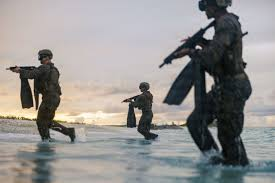
Key U.S. military assets in the region now include the USS Tripoli and USS Boxer, both carrying thousands of Marines and sailors. Iranian parliamentary speaker Mohammad-Bagher Ghalibaf accused Washington of secretly planning a ground assault while publicly calling for diplomacy.
Despite these preparations, Secretary of State Marco Rubio said the United States could meet its objectives without deploying ground troops. Meanwhile, an Associated Press poll shows 62% of Americans oppose a full-scale invasion.
The conflict has also triggered global economic shockwaves. Iran’s blockade of the Strait of Hormuz—through which roughly 20% of global oil flows—has disrupted shipping and pushed crude prices above $100 per barrel.
Fuel prices have surged worldwide, with motorists in the UK facing steep increases in petrol and diesel costs. Supply chain disruptions have also driven fertilizer prices higher, raising fears of food inflation and production cuts in multiple countries.
Air travel and tourism spending have also dropped, reflecting broader economic uncertainty caused by the conflict. Nearly 2,000 vessels remain trapped in the Persian Gulf amid heightened security concerns.
Diplomatic efforts continue as Pakistan offered to host negotiations between Washington and Tehran. Meanwhile, peace calls have intensified globally, including criticism of the war from Pope Leo during Palm Sunday Mass.