Inside the Seasoning Cube: What Are We Really Eating Every Day?
Seasoning cubes are a staple in many Nigerian kitchens, but what exactly is inside them? From sodium levels to MSG and hidden fats, here’s a closer look at what we may really be eating every day and what it means for our health.
I am positive a large portion of Nigerian households have gone through a phase where the mother of the house suddenly cuts down on the usual amount of seasoning cubes in a meal because it is “dangerous” and “salt is enough for taste.”
Suddenly you are eating bland soup and pretending it is fine, or sneaking to sprinkle table salt because why not.
Now, whether you believe the dangerous reputation or not, the fact remains that this cube has become as essential to cooking as salt and fire.
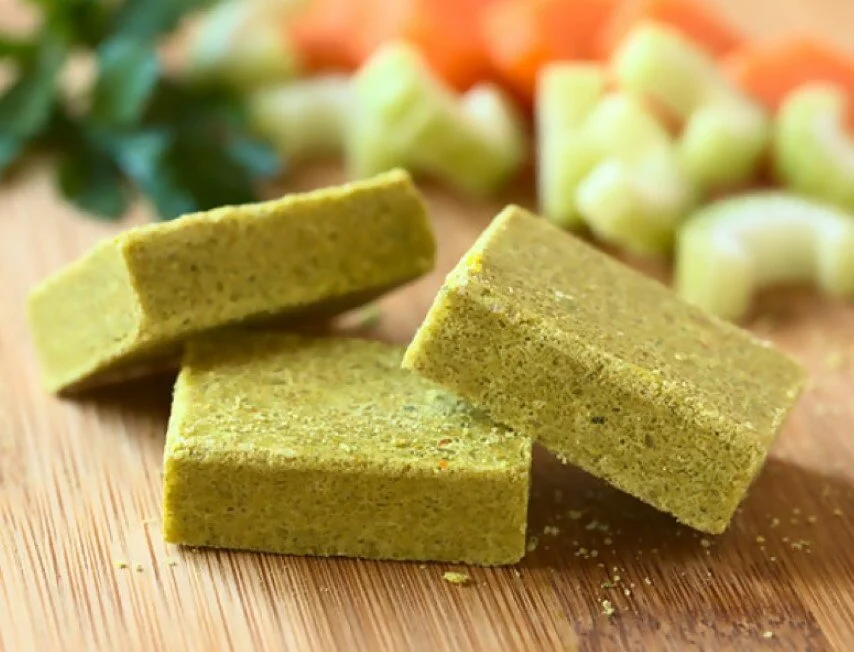
Now, here is a question we need to collectively ask: what is in it?
The answer is more complicated, and more interesting, than you might think.
The Salt Problem Nobody Talks About
Crack open a standard seasoning cube and you are looking at a square of carefully compressed ingredients.
The base is always iodized salt and it dominates.
A single cube typically contains somewhere around 700 - 900 milligrams of sodium, which is nearly half of what the World Health Organization recommends as a daily limit for an adult.
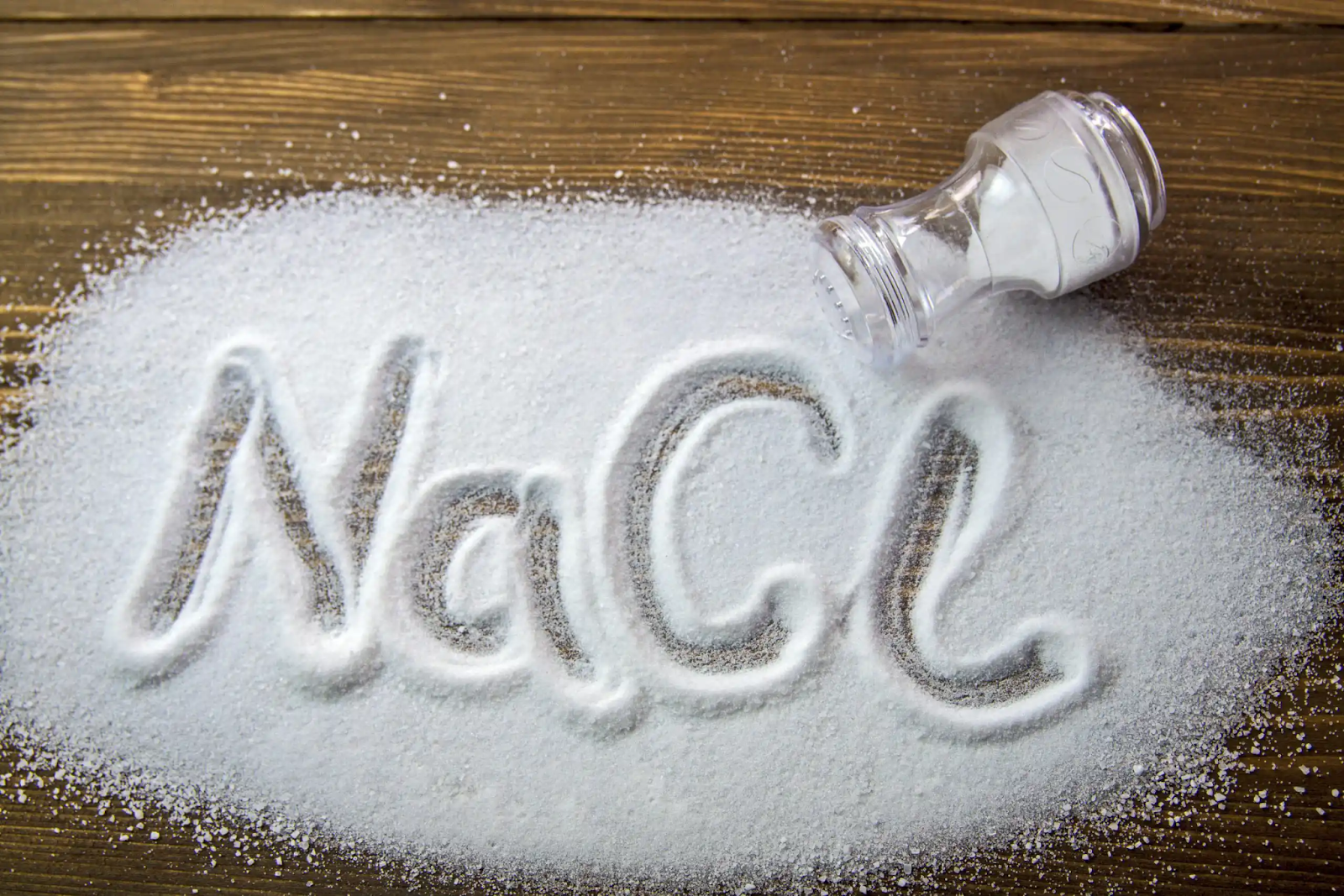
The irony is that many cooks still add more table salt on top of that, either out of habit or because they don't trust the cube to do enough on its own.
That is a lot of sodium in one pot.
MSG: The Most Misunderstood Ingredient in Your Kitchen
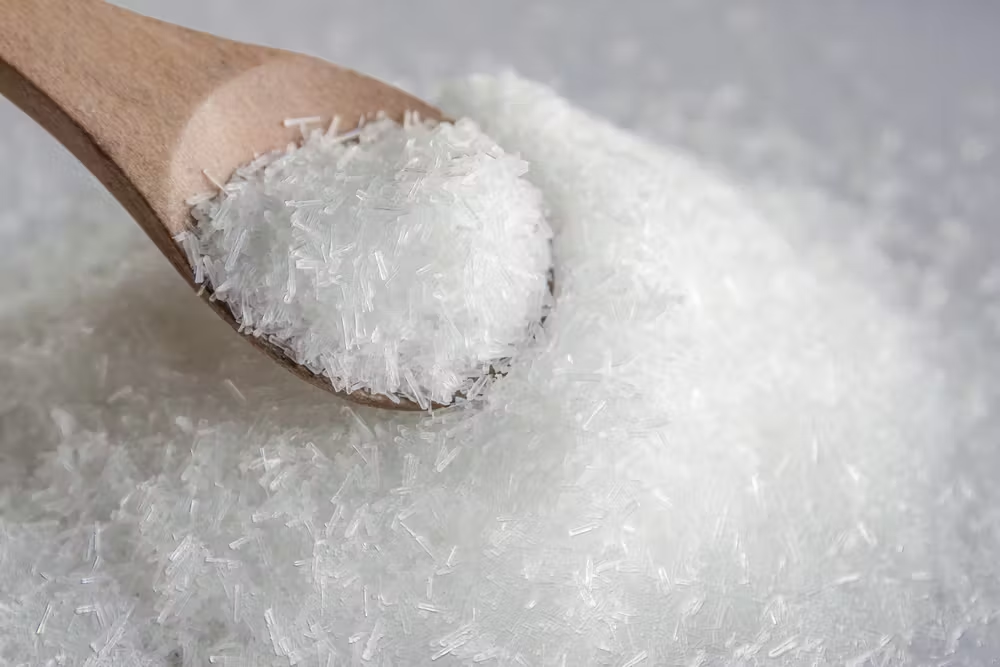
Beyond salt, the ingredient list gets interesting fast. Most cubes contain monosodium glutamate, better known as MSG, and this is where almost every dinner-table argument about seasoning cubes begins.
MSG is the compound responsible for that deep, savoury taste that scientists call umami, the fifth basic flavor alongside sweet, salty, sour, and bitter.
It was first isolated from seaweed in Japan in 1908 and today it is produced through the fermentation of plant sugars.
MSG occurs naturally in foods we eat without a second thought. You can find it in tomatoes, mushrooms, aged cheese, sardines.
Your body cannot tell the difference between naturally occurring glutamate and the kind that comes from a seasoning cube.
The FDA has classified MSG as "generally recognized as safe" and international food bodies largely agree. The average adult already consumes roughly 13 grams of glutamate per day from regular food proteins.
A single cube contributes a fraction of that. And yet the controversy refuses to die.
You have probably heard of "Chinese restaurant syndrome," the reported experience of headaches, flushing and nausea after eating MSG-heavy food.

Multiple large-scale studies have failed to consistently reproduce these effects under controlled conditions and most researchers now believe the reaction is more likely tied to the volume of sodium consumed rather than MSG itself.
Still, some people do report sensitivity and that lived experience is hard to dismiss entirely.
The science says MSG is safe in normal dietary amounts; what "normal amounts" looks like in a country where three cubes go into one pot of egusi soup is the more honest question.
The Quiet Ingredient Worth Watching
Then there is hydrogenated palm oil, which appears quietly on most cube ingredient lists and tends to attract less attention than MSG despite being arguably the more pressing concern.
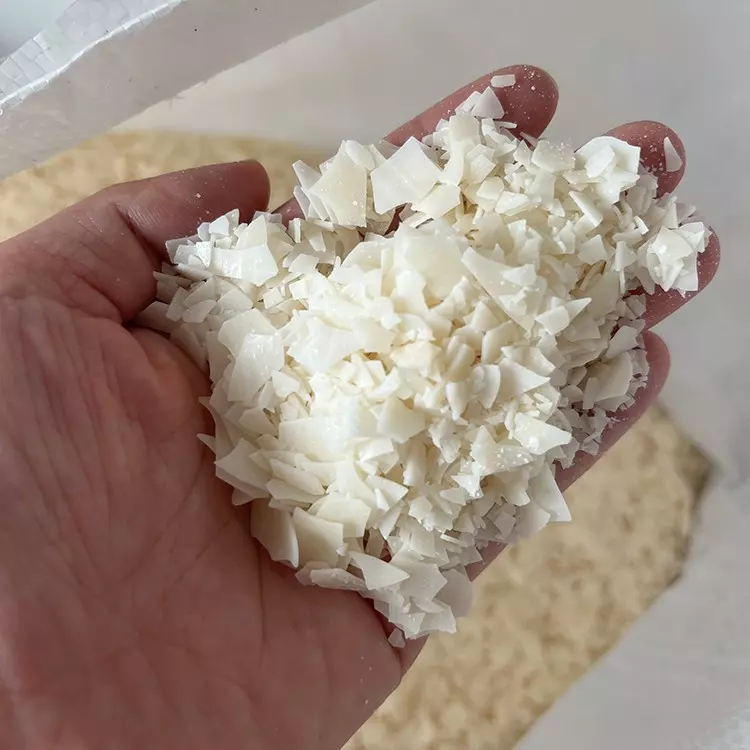
Hydrogenation is a process that converts liquid vegetable oils into semi-solid fats and in doing so creates trans fatty acids.
Trans fats are the ones that raise LDL, the bad cholesterol, while simultaneously lowering HDL, the good kind.
This is not a small deal. Regular consumption of trans fats is directly linked to increased risk of cardiovascular disease, and the effects compound over time.
Everything Else in the Mix
Other ingredients in the standard cube include cornstarch, which acts as a binder and bulking agent; sugar, present in small amounts but accumulating with each extra cube added.
Then, there is caramel colour and dried spice extracts like pepper, celery, and cloves.
Some formulations, hydrolyzed vegetable protein, which provides additional umami depth and is essentially another form of glutamate delivered under a different name.
Some cubes are also fortified with iron and iodine and this part is actually worth acknowledging honestly.
In parts of West Africa where nutrient deficiencies are a real public health concern, fortified seasoning cubes have quietly become a meaningful vehicle for micronutrient delivery.
A meal prepared for a family of six using five cubes can provide over 30% of the recommended daily iodine intake. That is not nothing.
So Should You Stop Using It?
The seasoning cube is not poison. Used occasionally and sensibly, it is unlikely to cause you serious harm.
The problem is that "occasionally and sensibly" is not how most people use it. It is used daily, in large amounts, in meals that already contain other high-sodium ingredients.
The sodium and the trans-fats accumulate.
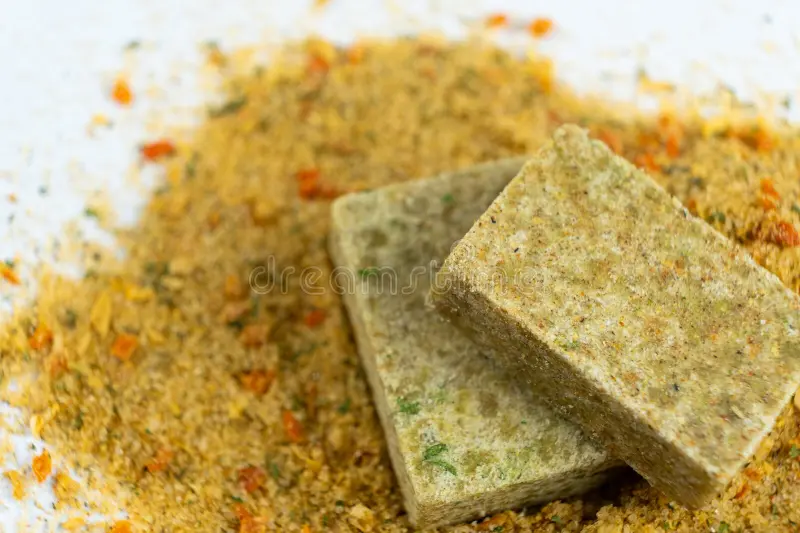
And because the cube makes food taste so good so effortlessly, it quietly displaces older, more nutritionally generous seasonings like iru, crayfish, ogiri, fresh tomatoes, ginger, garlic, that were doing real work in Nigerian cooking long before Maggi came along.
The cube is convenient. That convenience has a cost.
Knowing what is inside it does not mean you have to stop using it; it means you can use it with your eyes open, maybe reach for less, and maybe give iru another chance.