Ifedayo Osinowo Unpacks the Post-Stigma Era of Braids
Braids have transformed from being labeled 'unprofessional' due to Eurocentric standards to becoming a celebrated symbol of cultural heritage and creative expression. This shift, influenced by Nollywood films, social media, and modern professionals, has reshaped beauty norms in corporate settings, especially in Nigeria.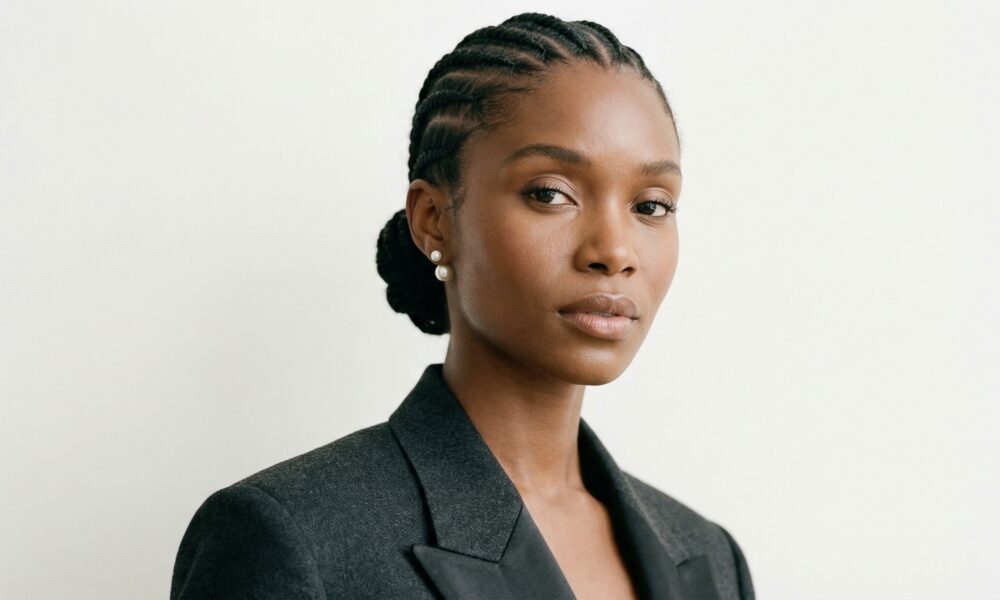
Historically, many women have faced societal pressure to conform to Eurocentric beauty standards in professional environments. This often manifested in corporate dressing codes that discouraged natural hairstyles like braids, labeling them as 'ghetto' or 'unprofessional'. Such racially motivated biases mirrored a broader sentiment where hairstyles associated with white counterparts were deemed superior. This unfortunate corporate ethos permeated various regions, including urban parts of Nigeria, where women wearing their natural hair were often perceived as unbecoming or immature.
The deep-seated issue of Eurocentric standards, largely fueled by dominant Western media like Hollywood films and adopted corporate conventions, led to an internalized racism. This compelled women to sacrifice their authenticity and cultural heritage for conformity. A significant moment in challenging this narrative in Nigeria was the 2017 Nollywood film *Isoken*, starring Dakore Akande. The film sparked crucial conversations among Nigerians, particularly through a scene where the protagonist, Isoken, is advised to alter her natural hair despite her preference for it.
However, this negative ideal, which clashed with cultures rich in multifaceted protective hairstyles, began to lose its grip over time. A pivotal shift was catalyzed by the rise of platforms like TikTok, coupled with a wave of nostalgia for early 2000s Nollywood films and the actresses who innovatively embraced braids. Trends such as #Y2KNollywood and #NollyBabes emerged, inspiring women to draw from these styles and reinterpret them. Actresses like Genevieve Nnaji, Rita Dominic, and Thelma Okhaz, alongside even male actors like Maurice Ndubueze and Jim Iyke, encouraged exploration beyond conventional looks.
The growing visibility of braids slowly extended into professional workspaces. The emergence of contemporary female musicians such as Tems, Ayra Starr, and Tyla further normalized braided hairstyles, making them a prominent feature in music videos, on international stages, red carpets, and album covers. This widespread exposure transformed braids into aspirational styles, leading to new trends weekly that were eagerly adopted, signaling their shift into mainstream fashion. The presence of younger professionals, often dubbed the '9-to-5 Baddie', in corporate and startup sectors, combined with increasingly less rigid work cultures, has significantly contributed to the dismantling of older, conformity-driven beauty standards.
While the stigma surrounding braids has not entirely vanished, its authority has considerably diminished. Braids are now widely celebrated as glamorous and classy, offering a beautiful homage to cultural ancestry while serving as a powerful outlet for creative expression, allowing individuals to showcase their personality without compromise.