If the World Is Only Just Seeing Africa’s True Size, What Else Did We Get Wrong?
If the world is only now confronting how distorted Africa looks on the map, what other familiar stories about the continent might deserve a second look?
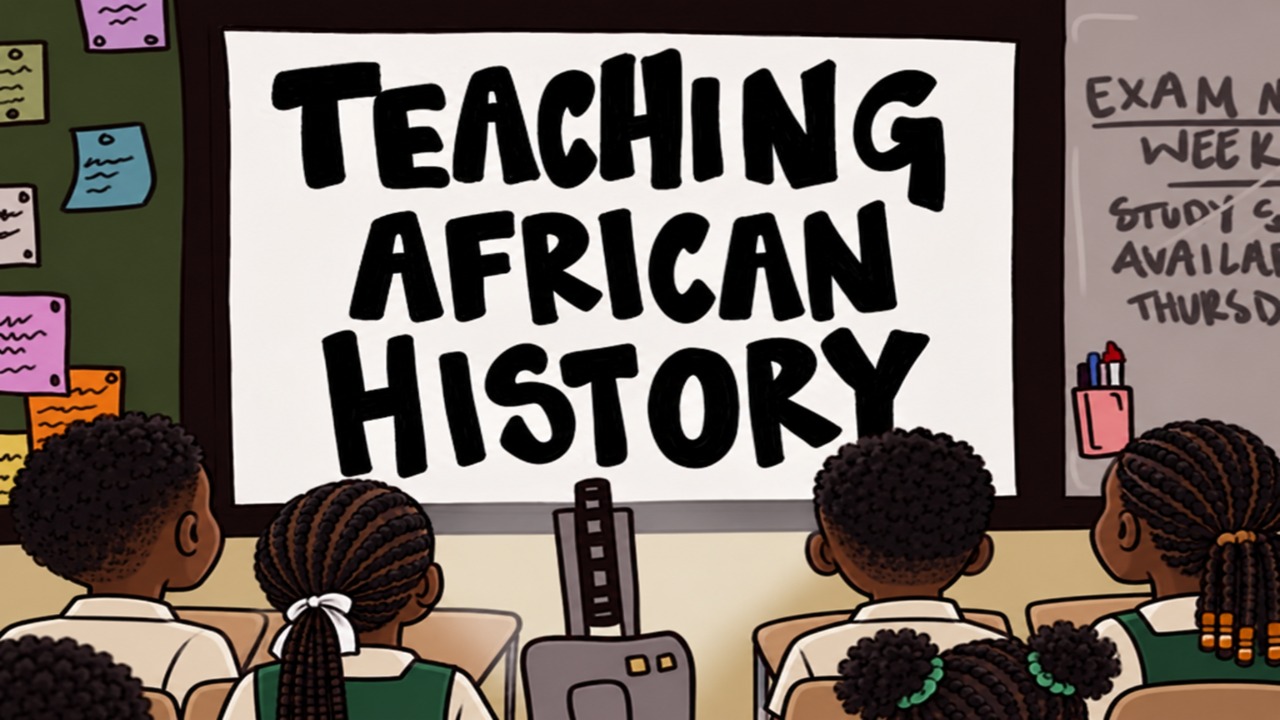
Africa did not suddenly become bigger on September 4, 2026.
It had always been that big.
What changed was that the United Nations General Assembly backed an African-led push for maps that represent the relative sizes of continents more accurately.
The “Correct the Map” resolution, introduced by Togo on behalf of the African Group, passed by a vote of 164 to 1, with 6 abstentions. The United States was the only country to vote against it, which, somehow, feels almost on brand.
Imagine discovering that Africa is bigger than the map made it look and still finding a way to be the only country in the room saying no.
Apparently, the map was not the only thing struggling with scale. The United States’ ego needed its own projection too.
But beneath the joke is something worth sitting with.
Africa did not suddenly become larger because the UN voted on a resolution. The continent has always covered roughly 30 million square kilometres. Greenland has always been about 2.2 million. Africa has always been around 14 times larger.
What changed was the willingness to question an image the world had grown comfortable with.
The Mercator projection was created in 1569 for navigation. It does that job remarkably well, but it stretches land masses as they move farther from the equator.
For centuries, that technical compromise escaped the world of sailors and found its way onto classroom walls, television screens, news graphics and digital maps.
And most of us never thought twice about it.
Why would we?
A map looks authoritative. It hangs there quietly, dressed as fact. Nobody expects geography itself to need a disclaimer.
That is what makes this conversation more interesting than whether Africa looks bigger on a new map.
How many other things about the continent became “facts” simply because we saw or heard the same version often enough?
Think about some of the stories that have travelled across generations.
Mungo Park discovered the River Niger.
Mary Slessor stopped the killing of twins.

Funmilayo Ransome-Kuti was the first Nigerian woman to drive a car.
Lord Lugard amalgamated Nigeria in 1914.
Most Africans have encountered at least one of those sentences somewhere. They are memorable and wonderfully convenient for examinations. Is that what we actually need?
The Trouble Begins When One Sentence Swallows the Whole Story
Take Mary Slessor.
Her work in Calabar and Okoyong deserves recognition. She rescued abandoned twins, cared for vulnerable children and openly challenged the killing of twins.
But Slessor arrived in Calabar in 1876, and the person who actually stopped the killing of twins — King Eyo Honesty — had died 18 years earlier.
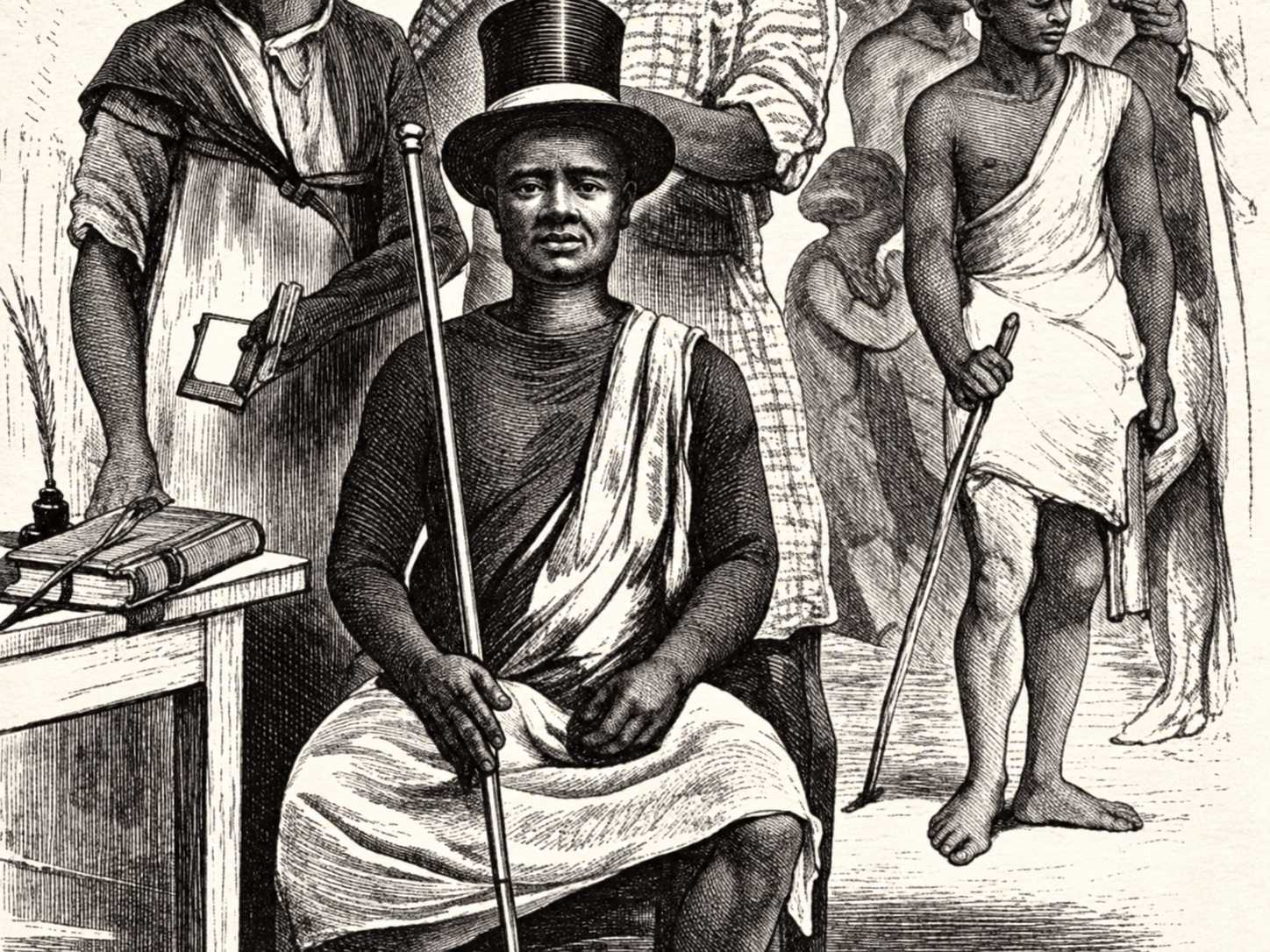
So where did the idea of one heroic woman arriving and stopping everything come from?
Probably the same place many historical shortcuts come from: a complicated story becomes easier to tell when you give it one face.
The trouble is that everyone standing around that face slowly disappears.
Local rulers disappear. Earlier missionaries disappear. Communities debating and changing their own practices disappear. Decades of social change collapse into one dramatic arrival.
Mary Slessor remains important.
She just becomes human again — one participant in a much longer story rather than the entire story wearing a Victorian dress.
Funmilayo Ransome-Kuti suffered an almost opposite fate.
Instead of being made larger than history, part of her history became strangely small.
Many Nigerians remember her as the first woman to drive a car.
A car.
This was a woman who helped organise thousands of women through the Abeokuta Women’s Union, confronted unfair taxation, challenged political exclusion and became one of the most formidable female political organisers of colonial Nigeria.
Judith Byfield’s The Great Upheaval: Women and Nation in Postwar Nigeria documents how the women’s movement in Abeokuta intensified pressure on Alake Ademola II, who eventually abdicated in 1948.
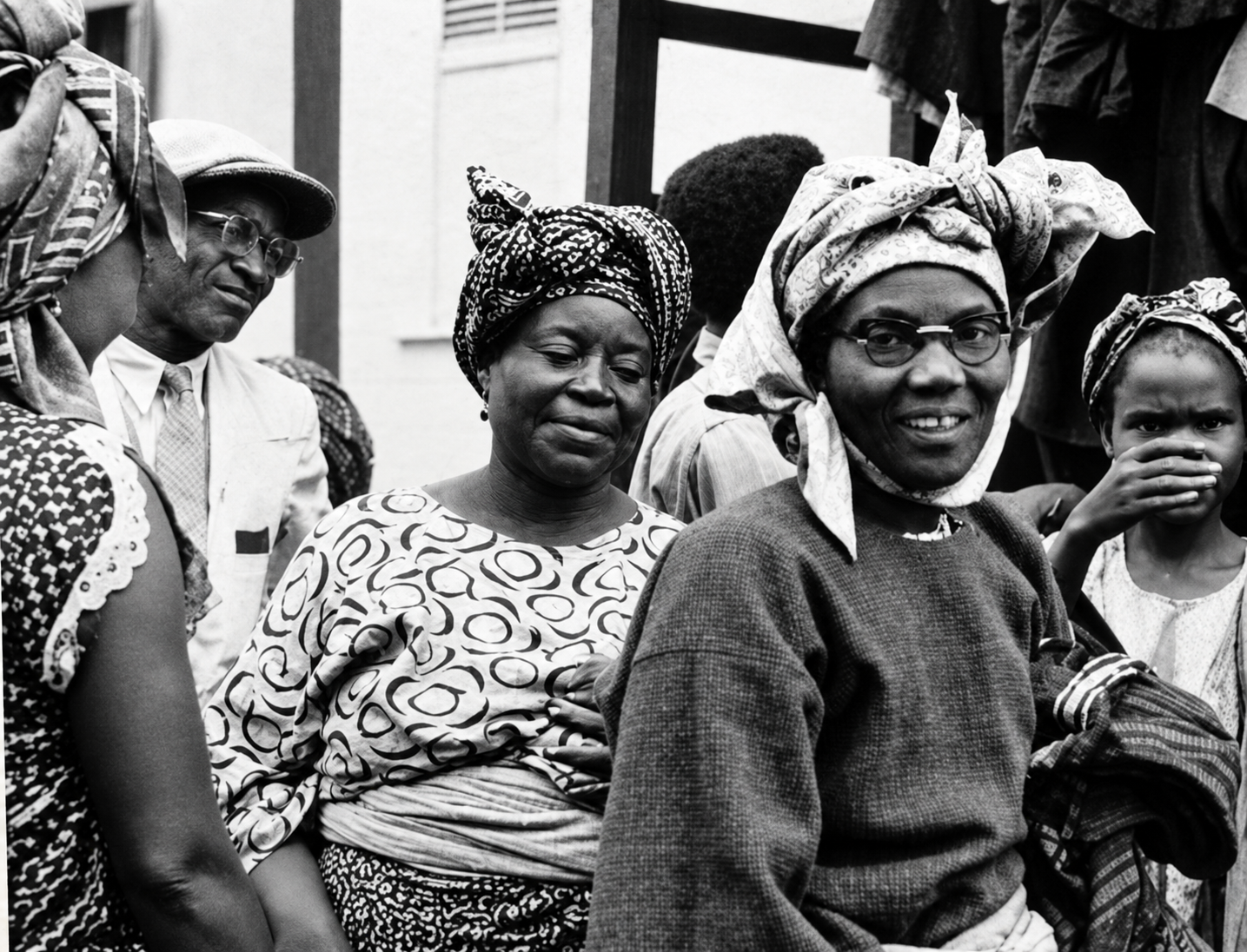
Yet somehow, somewhere, generations inherited the steering wheel before they inherited the struggle, and that should bother us a little.
Because once a political life becomes trivia, history has not merely become shorter; it has changed shape.
Who Gets to Discover a Place That Was Never Lost?
Mungo Park gives us perhaps the clearest example of how much power can hide inside one innocent-looking word.
For generations, the sentence was: Mungo Park discovered the River Niger.
Discovered it for whom?
Because by the time the Scottish explorer reached the upper Niger in 1796, people had been living beside that river for generations. They travelled on it, traded along it, fished from it and built communities around it.
The Niger was not waiting quietly in West Africa for somebody from Scotland to notice it.
What Park did was important. His Travels in the Interior Districts of Africa, published in 1799, gave European audiences detailed information about a part of the Niger they understood poorly. Later, Richard and John Lander traced the lower course of the river towards the Atlantic in 1830.
Europe learned more about the Niger.
Somehow, over time, that became: Europe discovered the Niger.
And there is a world of difference between those two ideas.
Once European knowledge becomes the starting point for what counts as knowledge, Africans can know something for centuries and still disappear from its official “discovery.”
The same habit appears elsewhere in the telling of African history. Africa often seems to enter the story when somebody arrives.
An explorer arrives, a missionary arrives, a colonial administrator arrives, and then suddenly there are chapters, dates and names worth remembering.
Meanwhile, the people who were already trading, governing, fighting, negotiating, writing, worshipping, building and thinking become the background.
Timbuktu was already an intellectual centre centuries before Europeans began carving Africa into colonies. African kingdoms were sending diplomats abroad, collecting taxes, fighting wars and running trade networks long before anyone sat at the Berlin Conference with a ruler and a map.
Yet somehow, the African story can still feel like a film where Africans spend too much time as supporting characters on their own continent.
That is the real problem hiding behind the word “discovered.”
It tells us who was allowed to arrive as the main character.
What Happens When We Start Looking at Africa Properly?
Africa was never too small. The map was.
And perhaps that is the more useful way to think about what happened at the United Nations. The significance of the resolution is not that 54 countries suddenly discovered the size of their own continent. It is that a representation long treated as ordinary was finally challenged at the institution where the world comes together to decide what deserves attention.
A map can distort land. A history book can distort importance. A classroom can turn a complicated political struggle into one sentence. A documentary can give the outsider the discovery while reducing the people who were already there to scenery.
None of these things requires an elaborate conspiracy. Sometimes the distortion survives simply because nobody stops to question it.
That is why correcting the map is only the beginning.
The bigger task is correcting the habit of looking at Africa through narratives that make the continent smaller than its history.
Not by pretending European explorers, missionaries or colonial administrators did nothing important. They did. But their actions should exist within African history, not automatically become the organising centre of it.
Mungo Park did not need to be erased for the people who already knew the Niger to be remembered.
Mary Slessor does not need to be diminished for the African communities and leaders who were already confronting the practice of killing twins to regain their place in the story.
Funmilayo Ransome-Kuti does not need to be reduced to a pioneer behind a steering wheel when the political movement she helped build tells us far more about the woman she actually was.
And Nigeria's history does not begin and end with Lugard's decision in 1914.
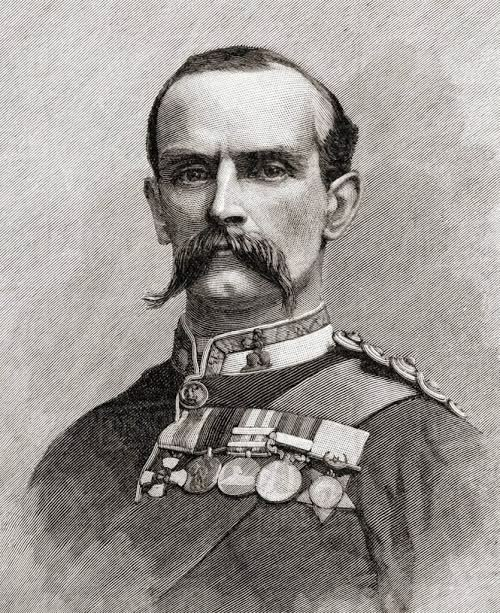
The point is not to replace one oversimplification with another. It is to make the story large enough to contain everybody who shaped it.
That may be the real lesson of the map. Sometimes, the first step towards seeing something properly is realising that the version we inherited was never the whole picture.
Africa does not need to become bigger.
Its history needs to be allowed to occupy the space it has always deserved.
And once we start doing that, the question is no longer simply what else have we been seeing too small?
And msot importantly, Who taught us to see it that way in the first place?