7 African Models Who Have Walked the Victoria’s Secret Fashion Show
From Nigeria to Angola, these 7 African models have walked the Victoria’s Secret Fashion Show, commanding one of fashion’s biggest runways. How many do you recognise?
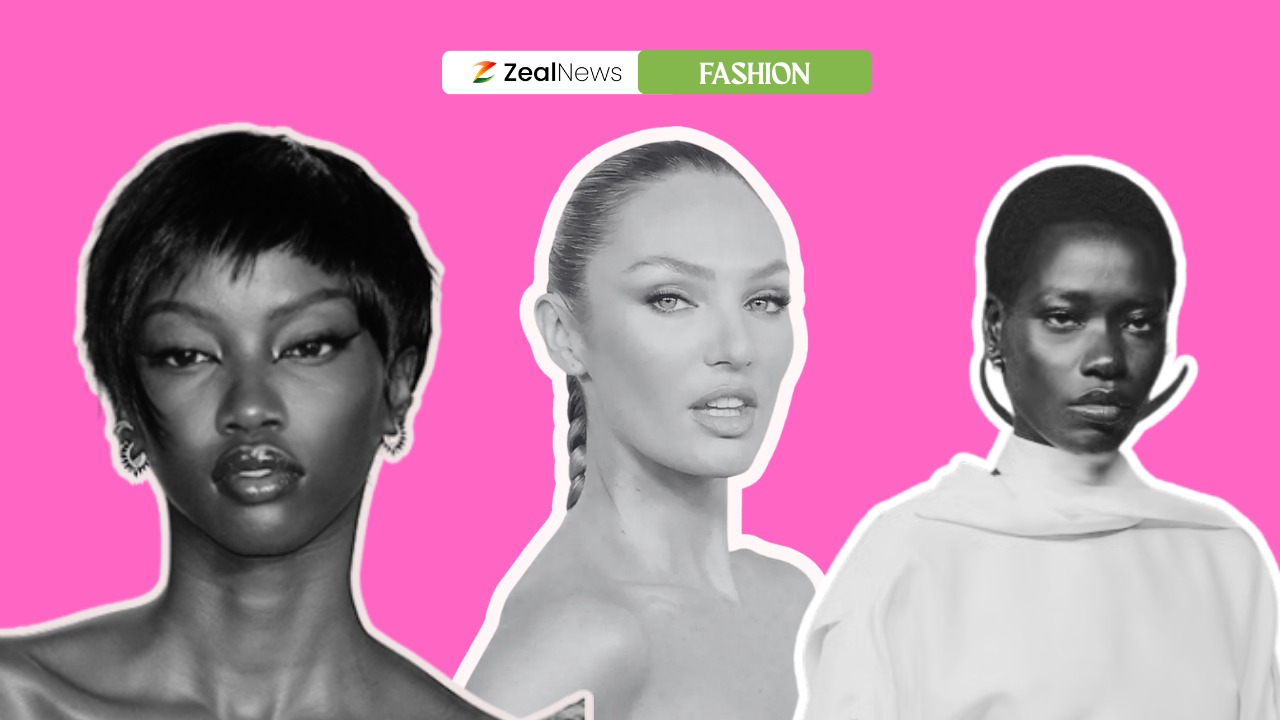
The Victoria’s Secret Fashion Show is known for elaborate wings, celebrity performances and runway spectacle. The show has also featured models born in Africa and others with African heritage, adding to the visibility of African and diasporic talent.
These ten models have walked Victoria’s Secret shows across different years.
Their visibility also reflects changes in how fashion audiences discuss representation. In earlier decades, a small group of models often dominated the most prominent campaigns and runways, while many others struggled to secure comparable attention.
A casting list can show who was invited into the room, but it cannot tell the whole story of pay, working conditions or influence behind the scenes. Those questions deserve attention alongside the celebration of individual achievements today.
1. Mayowa Nicholas
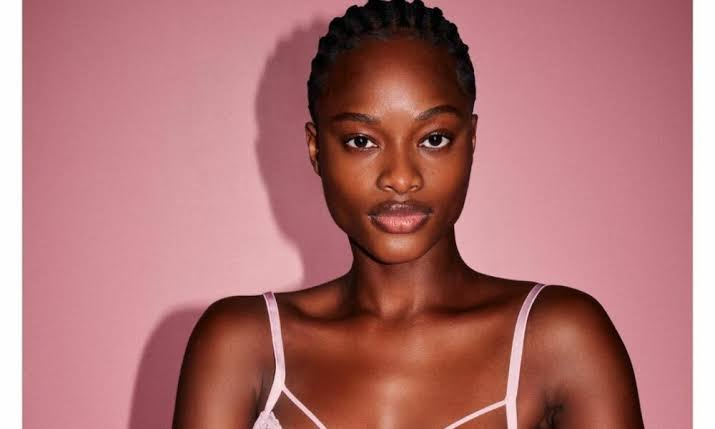
Born in Lagos, Mayowa Nicholas entered international modelling after winning Elite Model Look Nigeria in 2014.
She walked Victoria’s Secret in 2018 and returned for the 2024 show, appearing in its “Heroes” segment.
Her appearance gave Nigerian audiences a visible example of a model who built an international career from a Nigerian starting point.
2. Maria Borges
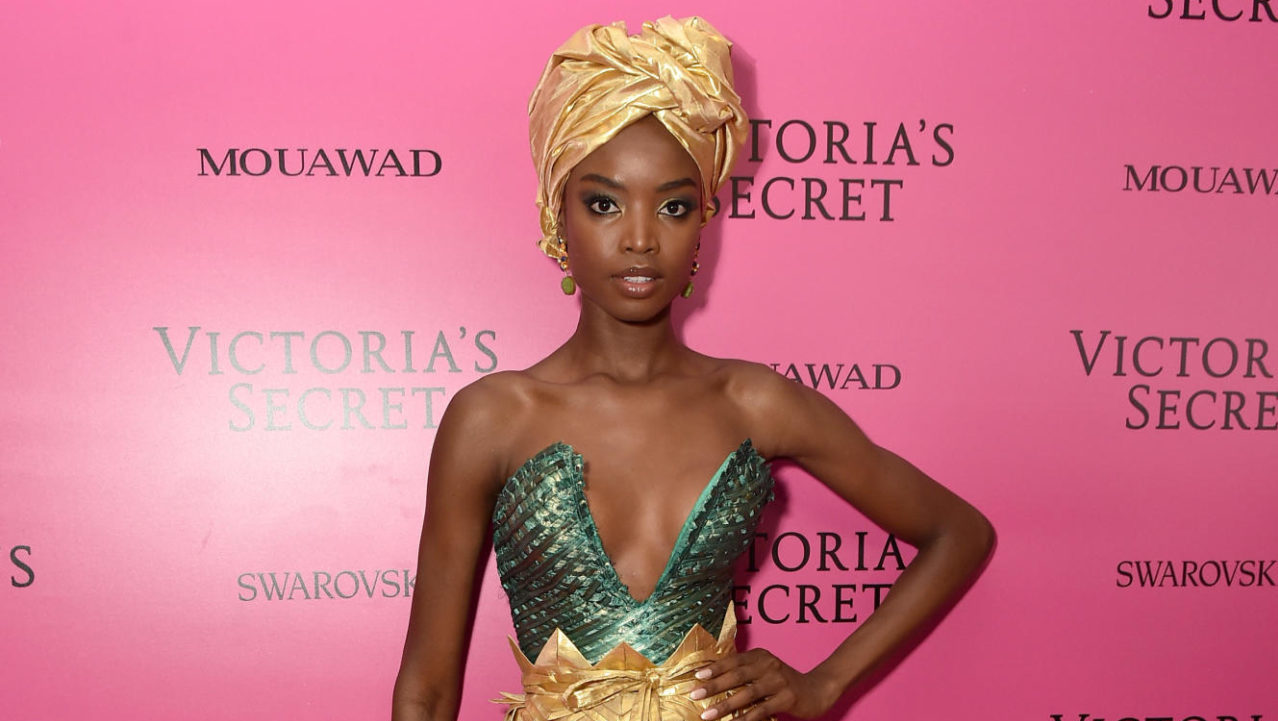
Born in Luanda, Angola, Maria Borges became one of the best-known African models associated with Victoria’s Secret. Her 2015 appearance attracted particular attention because she wore her natural Afro hairstyle.
The moment fuelled discussion about beauty standards and the choices available to Black models. Borges had worked with major fashion houses and magazines; her hairstyle made a visible statement about Black hair on a major runway.
3. Blesnya Minher
Angolan model Blesnya Minher appeared in Victoria’s Secret’s 2024 show and returned in 2025. The brand’s official credits list her in the 2024 “Modern Heritage” segment, wearing a crystallised pink gown.
She represents a newer generation of African models working with the brand. Her appearances increase Angolan talent’s visibility, though visibility alone does not guarantee equal influence.
4. Candice Swanepoel
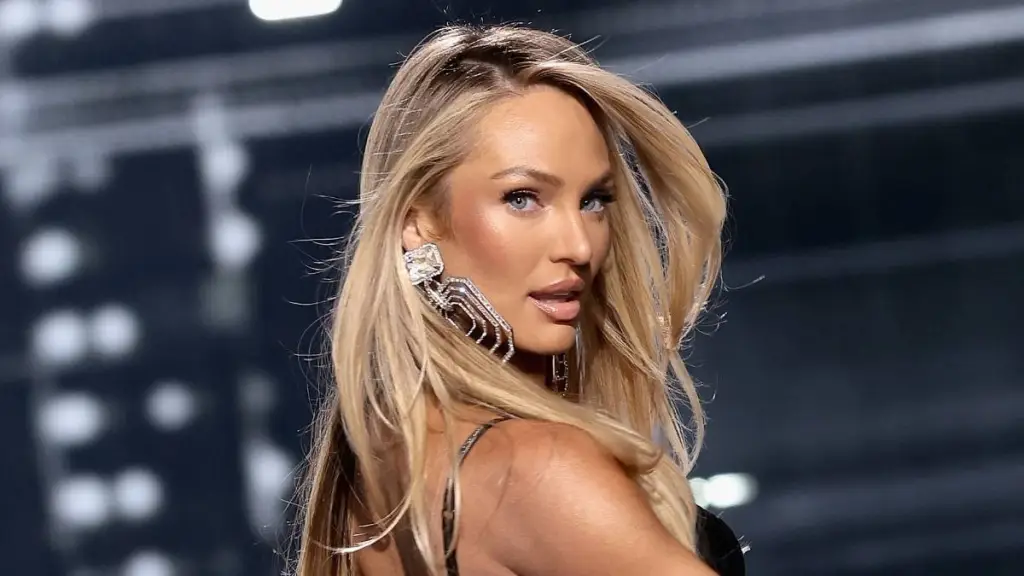
Born in Mooi River, KwaZulu-Natal, Candice Swanepoel became one of Victoria’s Secret’s best-known Angels. She joined the Angel roster in 2010 and appeared in numerous shows and campaigns.
In 2013, she wore the company’s Fantasy Bra, a jewelled look promoted as a centrepiece of that year’s event. She later founded swimwear label Tropic of C, adding entrepreneurship to her career. Her long association with the brand made her familiar far beyond South Africa.
5. Behati Prinsloo
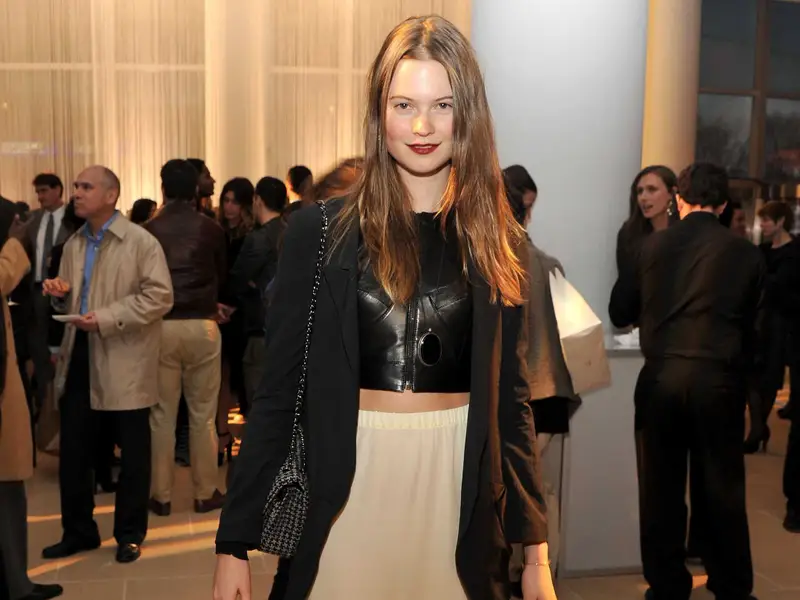
Behati Prinsloo was born in Grootfontein, Namibia, and became a Victoria’s Secret Angel in 2009. She walked the show across multiple years and became closely associated with the brand during its elaborate runway era.
She has also worked for international fashion labels and magazines. Her career reminds audiences that African-born models have long been part of global fashion.
6. Anok Yai
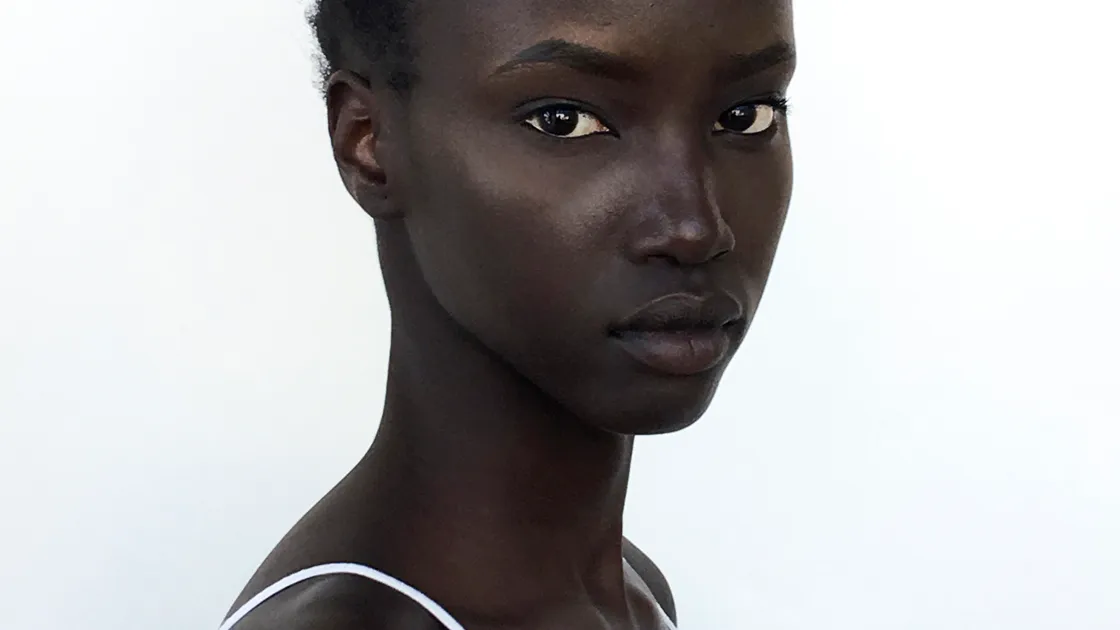
Anok Yai was born in Egypt to South Sudanese parents and grew up in the United States. Her modelling career accelerated after a photograph taken at Howard University attracted widespread attention in 2017.
She later became the second Black model to open a Prada show, following Naomi Campbell in 1997.
Yai walked Victoria’s Secret’s 2024 show. Her story reflects the complexity of African identity: she was born in Egypt, raised in America and has South Sudanese roots.
7. Awar Odhiang
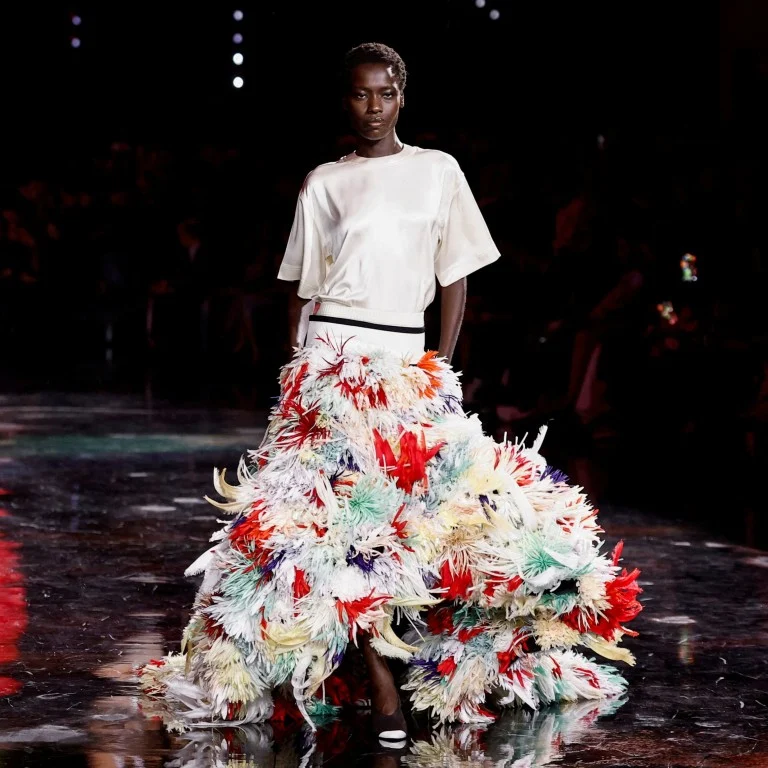

Awar Odhiang appeared in Victoria’s Secret’s 2024 show and returned for the 2025 production. With South Sudanese heritage and a career in international modelling, she represents another route through which African backgrounds appear on global runways.
The brand’s official credits confirm her participation in 2024. Her inclusion shows that representation is also about the wider range of models who secure opportunities and become visible.
Conclusion
These seven are not every African or African-descended woman to walk for Victoria’s Secret, and their success does not prove the industry is equal. Broader casting is one step; fair contracts, leadership and lasting careers are separate questions.
Their stories show that African connections to global fashion are not new or limited to one country. Nigerian, Angolan, South African, Namibian, South Sudanese and North African backgrounds appear across generations of the show.
A runway walk lasts minutes; a career can take years. Progress means making room for varied identities beyond a seasonal diversity feature.
The significance is not simply that these women wore the wings. Their careers make African and diasporic talent visible on a global stage, while raising a bigger question: who gets opportunities, whose stories are told, and what would lasting change look like?