6 Times African Youths Protested for Change, Just Like #EndSARS
Young Africans have taken to the streets over police brutality, crippling taxes, corruption, economic hardship and threats to democracy. What happened during these six protests, and did the sacrifices of those who demanded change actually make a difference?
A government can withdraw a bill. A president can resign. A social media ban can disappear overnight.
But what happens to the people who died demanding change?
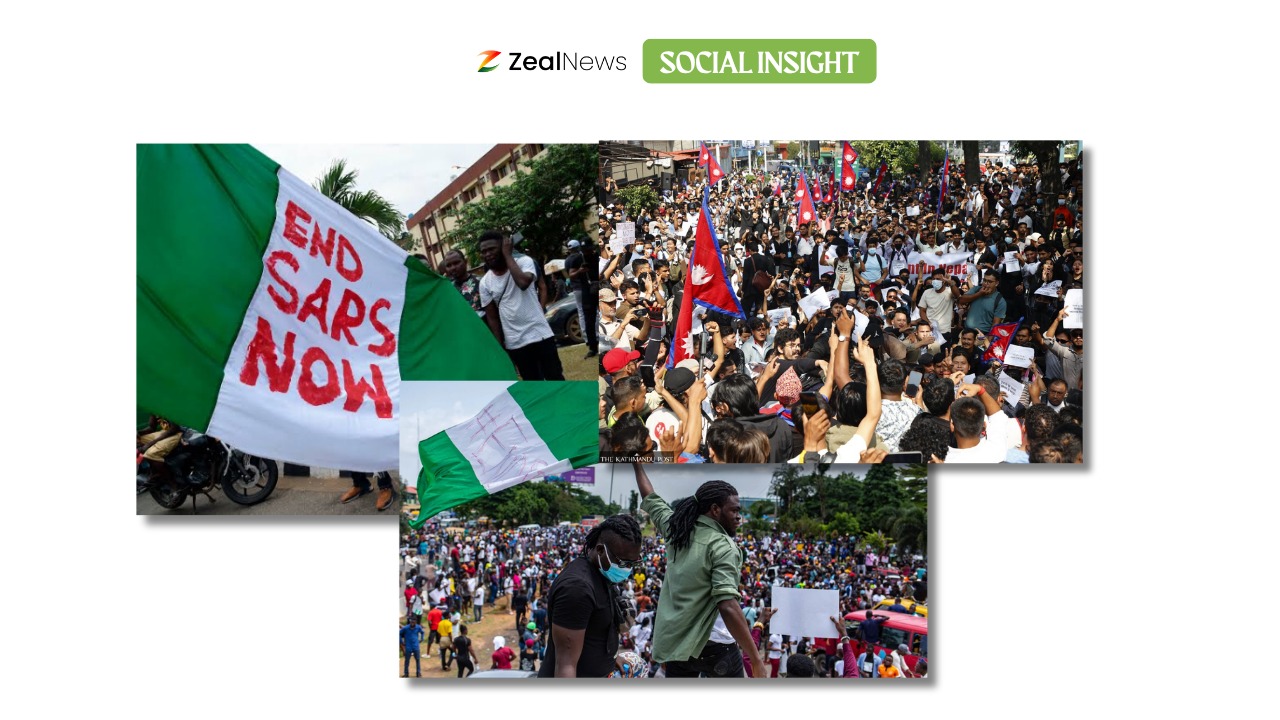
On October 20, 2020, young Nigerians gathered at Lekki Toll Gate, waving flags and demanding an end to police brutality. They sang the national anthem, believing their voices mattered. Then came the gunfire.
#EndSARS became a wound Nigeria could not simply scroll past. Families mourned, young people demanded answers, and accountability remained unfinished business.
Since then, young people across the world have protested police brutality, corruption, economic hardship and governments that seem determined not to listen.
Some forced change. Others buried protesters. And when the streets emptied, difficult questions remained. Here are 6 African protests that rocked the world.
1. Kenya — #RejectFinanceBill2024
Imagine struggling with rising prices, only for your government to propose taxes that could make survival even harder.
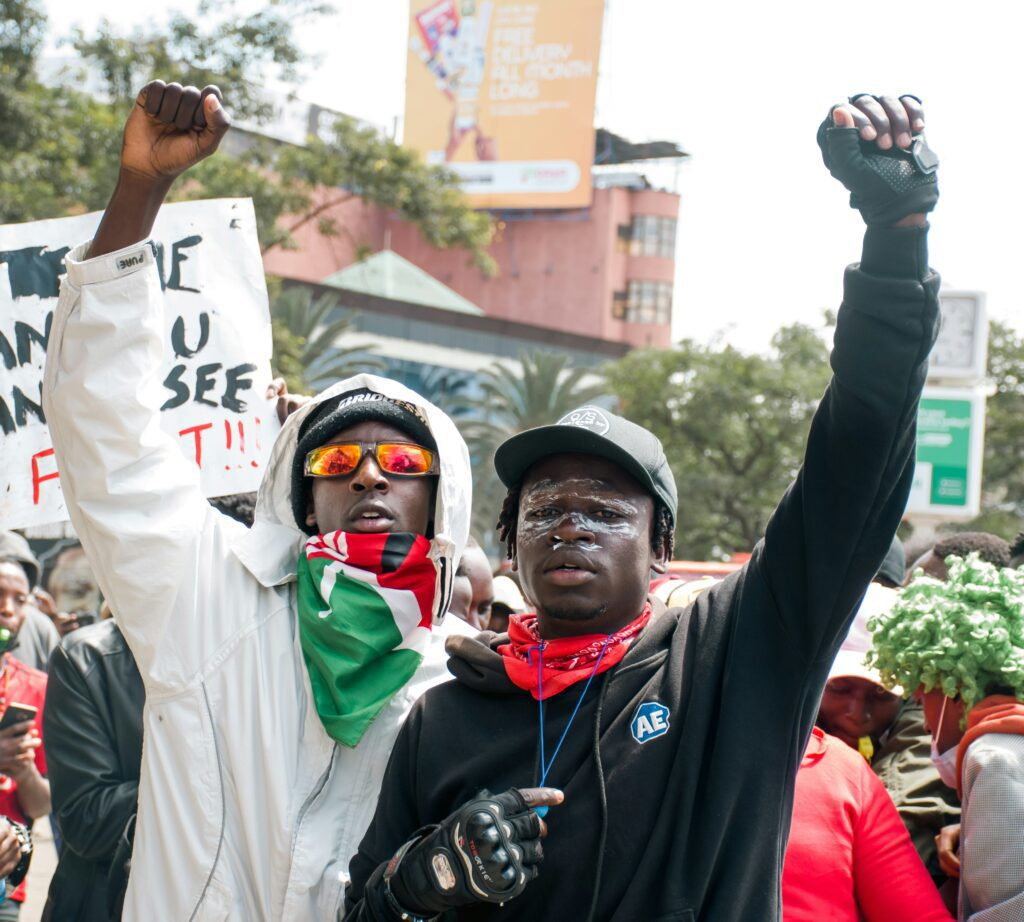
That was Kenya in 2024. Young people opposed President William Ruto's Finance Bill, but their anger stretched beyond taxation. They questioned corruption, government spending and why ordinary citizens kept paying for their leaders' decisions.
On June 25, protesters stormed Parliament in Nairobi as security forces opened fire.Human Rights Watch documented killings, abductions and arbitrary arrests during the crackdown.
The following day, Ruto announced he would not sign the bill.
It was a significant victory, but one stained by loss. Withdrawing legislation could not resurrect those killed or erase the fear left behind.
How many people must die before a government listens?
2. Ghana — #FixTheCountry movement
Sometimes, frustration grows quietly until people can no longer pretend everything is fine.
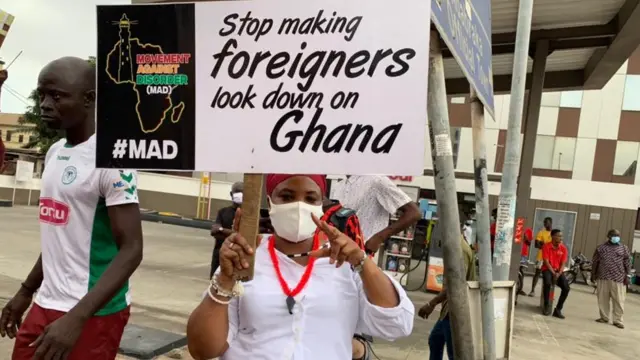
In 2021, Ghana's #FixTheCountry movement brought young people together over unemployment, economic hardship and failing public services. They wanted more than campaign promises. They wanted a life that felt possible.
Social Insight
Navigate the Rhythms of African Communities
Bold Conversations. Real Impact. True Narratives.
Then activist Ibrahim Muhammed, popularly known as Kaaka, died following an attack in June.
His death sparked protests in Ejura. Security forces fired on demonstrators, killing two people.
People demanding a country where their lives mattered watched more lives disappear during the protest.
Like #EndSARS, the tragedy exposed a painful contradiction: citizens wanted protection, yet the response to their demands created more fear.
How long can people be told to remain patient when their circumstances keep getting worse?
3. Sudan — #JustFall (#Tasqot_Bas)

Sudan's revolution began with bread prices. It ended up challenging nearly three decades of authoritarian rule.
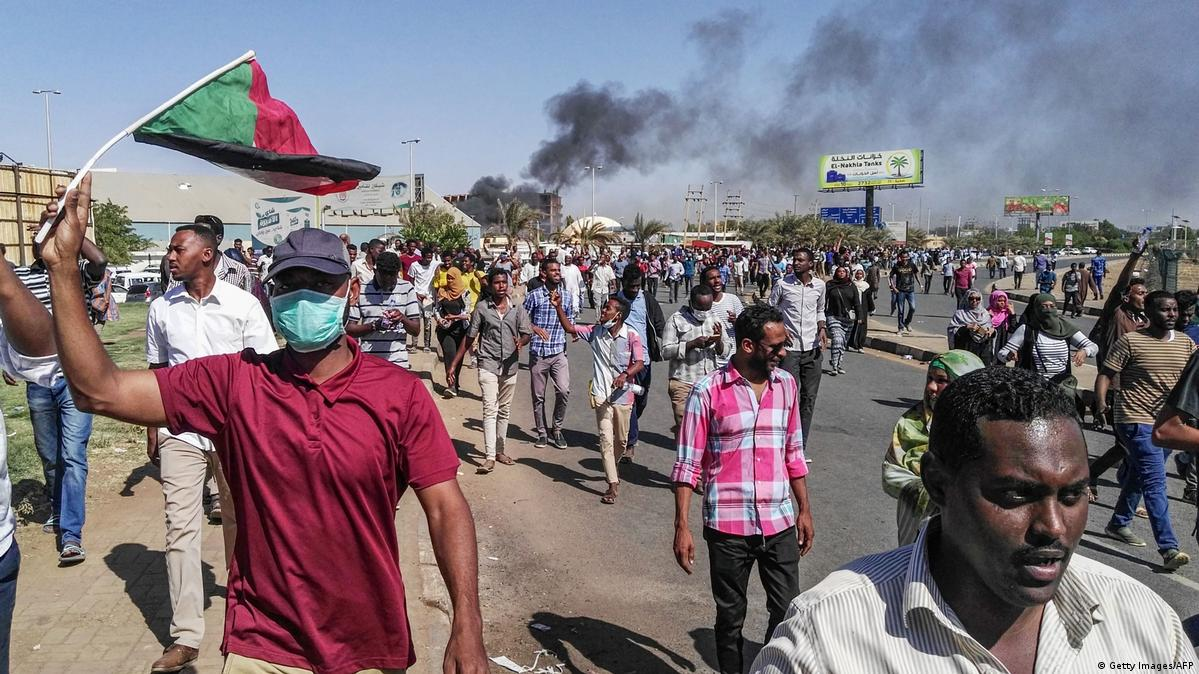
In December 2018, economic hardship pushed citizens into the streets. Soon, protesters were demanding the removal of President Omar al-Bashir, who had ruled since 1989.
On April 11 2019, he was removed from power.
For a moment, change seemed possible. But protesters wanted civilian government, not simply a different arrangement among powerful men.
On June 3, security forces violently dispersed a sit-in outside military headquarters in Khartoum, killing and injuring demonstrators. A military coup followed in October 2021. In 2023, war erupted between Sudan's army and the Rapid Support Forces.
Civilians have suffered devastating consequences.
Sudan shows how removing a leader does not automatically dismantle the system that enabled him. Sometimes, winning one battle opens the door to another.
What happens when the leader is gone, but the future people fought for never arrives?
4. Senegal — #AarSunuElection (Protect Our Election)
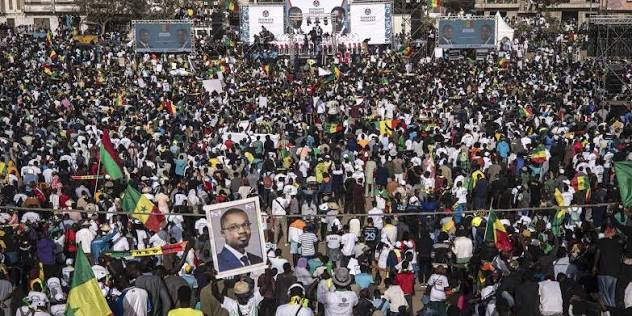
In February 2024, President Macky Sall postponed Senegal's presidential election, triggering protests and concerns about democratic rights.
For citizens, this was bigger than a political disagreement. An election is not a favour granted by a president. It is a right.
Social Insight
Navigate the Rhythms of African Communities
Bold Conversations. Real Impact. True Narratives.
Protesters challenged the postponement, and Senegal's Constitutional Council ruled against it. The election eventually took place in March, and opposition candidate Bassirou Diomaye Faye won.
Senegal's experience offered a different outcome from countries where political crises spiralled into prolonged violence or military rule. Public pressure and constitutional institutions helped protect the electoral process.
This is important because citizens should not have to choose between protesting and trusting the institutions meant to protect their rights.
Democracy cannot depend on whether those in power feel generous enough to respect its rules.
5. Ghana — #OccupyJulorbiHouse
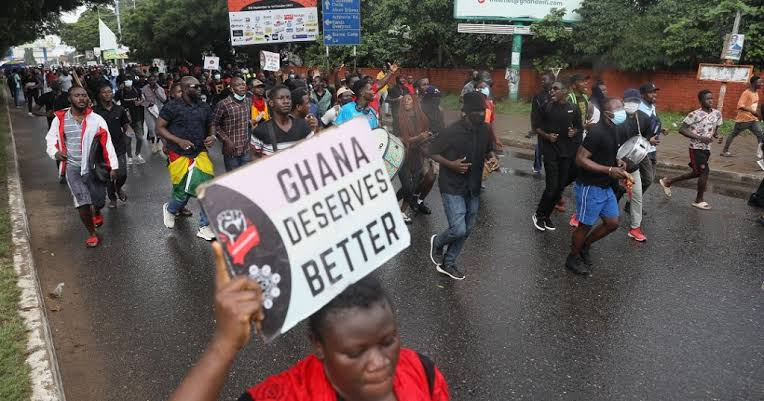
Ghana returns to this list because one protest cannot capture every frustration in a country.
In September 2023, demonstrators gathered in Accra for the #OccupyJulorbiHouse protests, angered by economic hardship, alleged corruption and public spending.
For many, complaining online was no longer enough. They wanted leaders to confront what ordinary people were experiencing.
Police arrested demonstrators, prompting criticism from activists and rights advocates.
Behind the protest were familiar struggles: expensive food, rising transport fares and opportunities that felt increasingly distant.
These are not abstract economic figures when they determine whether someone can feed a family, save money or imagine a better future.
Arresting protesters does not make those problems disappear.
When citizens repeatedly complain about their lives, why must their frustration fill the streets before leaders seem willing to pay attention?
6. Nepal
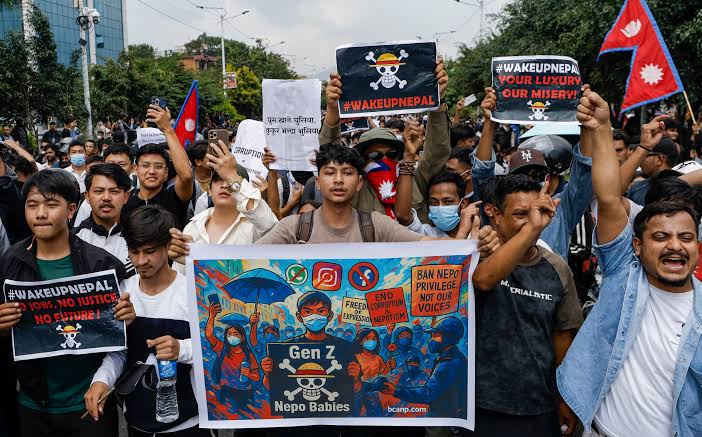
Sometimes, one government decision exposes years of accumulated anger.
The Ministry of Communications and Information Technology of Nepal blocked 26 unregistered social media platforms, including Facebook, Instagram, WhatsApp, YouTube, X (Twitter), LinkedIn, and Reddit, after they missed the September 3, 2025 registration deadline.
The ban landed amid widespread frustration over corruption, nepotism and limited opportunities. Young people took to the streets on September 8, and security forces used lethal force, killing at least 19 protesters that day.
Social Insight
Navigate the Rhythms of African Communities
Bold Conversations. Real Impact. True Narratives.
The government lifted the ban. Yet demonstrations continued, and Prime Minister K. P. Sharma Oli resigned on September 9 as the crisis deepened.
Social media restrictions had become a flashpoint for something much larger: anger over how the country was governed.
Like #EndSARS, Nepal's uprising showed how an immediate trigger can unleash frustrations that have been building for years.
Lifting a ban and removing a prime minister may change the headlines. Neither action answers for those who died.
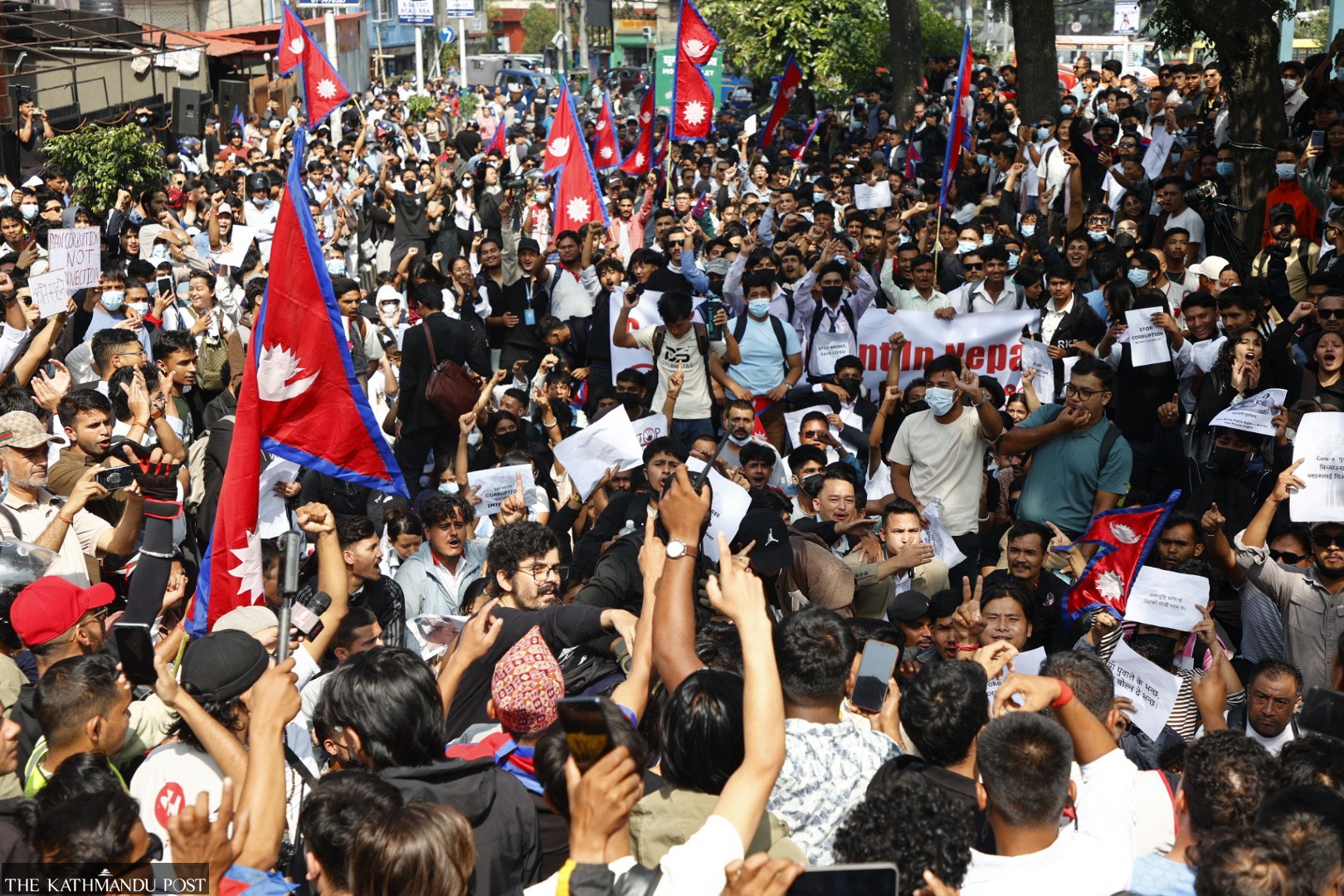
What Happens When the Streets Fall Silent?
Six protests, different countries, different outcomes, and one truth: people should not have to risk their lives to make governments listen.
Kenyan protesters forced a bill's withdrawal. Senegal's election proceeded. Sudan lost its president without securing the future its revolution promised. Ghana's demonstrations exposed persistent grievances. Nepal's prime minister resigned.
But political victories cannot be measured by announcements alone. What changed for the people who marched? Are they safer? Are their rights protected? Can they question their leaders without fearing for their lives?
Some protesters returned home. Others were arrested. Some never returned at all.
Somewhere, a mother still lives with the knowledge that her child went out demanding a better country and never came back. No government statement can make that loss bearable.
This is why the story cannot end when a bill is withdrawn, an election takes place or a president resigns. Those are events. Accountability is the work that follows.
On October 20, 2020, Nigerians demanded to be heard. Six years later, their questions continue to echo across borders.
When people risk their lives demanding a better country, how many more must die before governments learn that listening should never cost anyone their life?