Senegal Secures Mammoth €57M Boost for Food Security!
Senegal has signed a significant 57-million-euro agreement with the OPEC Fund to enhance its food security and achieve food sovereignty. The Food Sovereignty Strategy Support Project (PASS) will boost domestic production, improve rural infrastructure, and empower 900,000 beneficiaries, including women and youth, across 10 regions. This initiative aims to strengthen agricultural resilience and reduce dependence on food imports.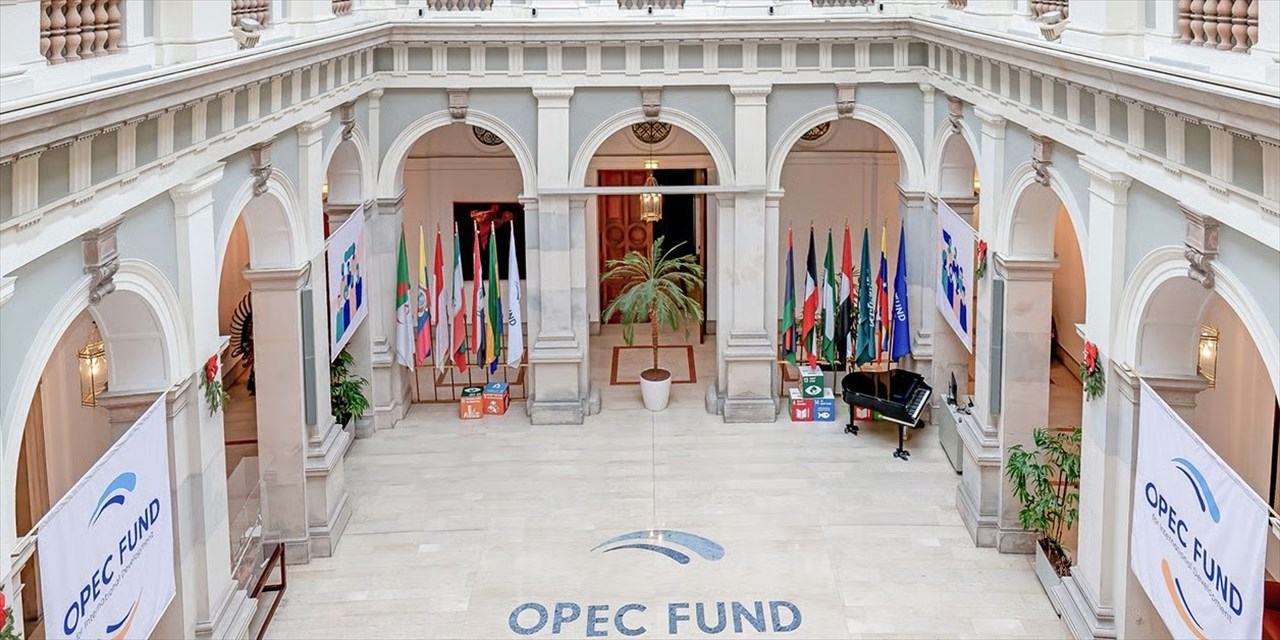
Senegal has secured a significant financing agreement worth 57 million euros (approximately 37.4 billion CFA francs) with the OPEC Fund for International Development. This pivotal agreement aims to bolster the West African nation's food security and enhance its agricultural resilience, aligning directly with Senegal's ambitious goal of achieving national food sovereignty.
The agreement was formally signed on October 13, 2026, during the annual meetings of the World Bank and the International Monetary Fund held in Bangkok, Thailand. This strategic partnership underscores Senegal’s commitment to reducing its reliance on food imports by significantly boosting domestic food production and strengthening livelihoods across its rural communities. A crucial aspect of this funding is its focus on empowering farmers to adapt more effectively to the growing challenges posed by climate change.
The initiative is designed to be inclusive, with an expected reach of approximately 900,000 people nationwide. Notably, half of these beneficiaries will be women, and the other half will be young people, highlighting a commitment to equitable development and creating opportunities for vulnerable populations within the agricultural sector.
Central to this effort is the Food Sovereignty Strategy Support Project (PASS), which will be implemented across 10 of Senegal’s 14 regions. This comprehensive project outlines several key interventions aimed at transforming the agricultural landscape and rural infrastructure.
Specifically, the PASS will focus on improving water management systems across 1,500 hectares of agricultural land, a critical step for increasing productivity and climate resilience. It also includes plans for the construction or rehabilitation of approximately 330 kilometers of vital rural roads, which will significantly improve market access for farmers. Furthermore, the project is set to provide direct support to over 2,200 farms and enhance the national network of food storage and processing infrastructure, ensuring better preservation and value addition for agricultural produce.
Abdulhamid Alkhalifa, President of the OPEC Fund, emphasized the foundational role of farmers in achieving food security. He stated that by improving access to water, modern farming methods, and robust markets, rural communities would be empowered to increase their production and secure higher incomes. This investment is seen as a crucial step in strengthening Senegal’s capacity to feed its expanding population while simultaneously fostering new economic opportunities, particularly for women and youth.
The overarching objectives of the Food Sovereignty Strategy Support Project are to substantially increase agricultural output and diminish the country’s dependence on external food sources. It places a strong emphasis on promoting climate-smart agricultural practices and ensuring better access to essential agricultural inputs. Moreover, the project is designed to fortify the linkages between local farmers and their respective markets, creating a more integrated and efficient agricultural value chain.
This 57-million-euro grant represents a strategic initiative that embodies a holistic approach to food security and agricultural resilience. It not only targets increased production but also addresses improved rural living conditions and essential climate change adaptation. The expected benefits are tangible and widespread, ranging from enhanced water management and infrastructure development to direct farm support and inclusive development initiatives focused on women and youth. This project is a fundamental pillar in Senegal’s long-term strategy to ensure its growing population is well-fed, create sustainable economic opportunities, and build strong resilience against environmental challenges.