How Do You Really Know Someone’s True Personality?
Can you really know someone’s true personality? This is an introspective exploration of whether anger, pressure, or kindness truly reveals a person’s real personality, blending psychology, social commentary, and storytelling to question how we judge human behavior.
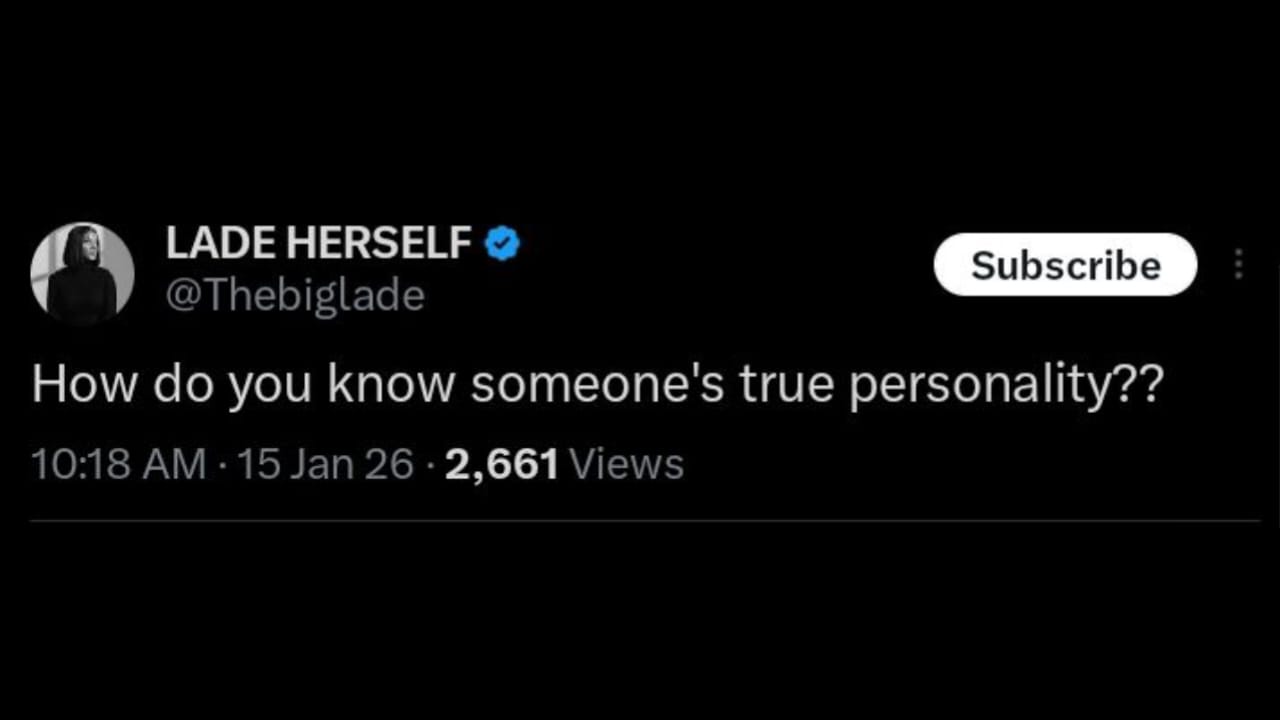
If you're reading then I guess you really want to know how to know someone's true personality, so grab your popcorn and sit tight while we read through this together.
So today, while doing what most of us do best, scrolling through social media and pretending that we’re “just checking something”, I stumbled on a simple question floating around the internet on X: How do you know someone’s true personality?
The question was simple and straight to the point, no big grammar or lengthy statement. Just a question sitting quietly like it wasn’t about to poke everyone’s unresolved trust issues.
And as expected, the replies came in based on their perspective and opinion.
People didn’t just answer, they actually shared their perspective because people actually give answers from perspectives and experiences they have encountered and with the kind of assurance that suggests they have cracked the human code and unlocked emotional intelligence.

Everybody had an answer, and somehow, all the answers sounded final and with no room for any benefit of doubt.
But as I read through them, one uncomfortable question kept tapping my shoulder: if someone’s “true self” only shows up when they are angry, stressed, pressured, or inconvenienced… then what exactly happens when they are kind, patient, gentle, and loving?
Is that acting? Or do we only believe people when they are at their worst?
Because if we are being honest, that logic feels suspiciously convenient.
Anger, Pressure, and the Internet’s Favorite Personality Test
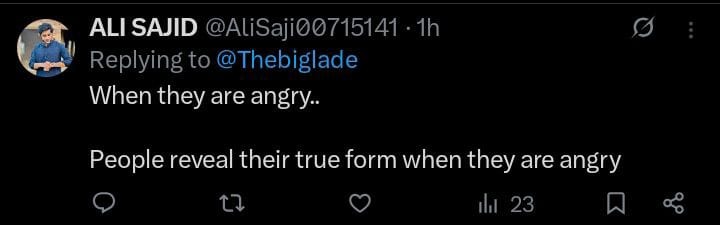
This was the first comment that caught my attention, because it sparked a question in my mind, because how can we say we truly get to know people when they are angry, if we can't know who they truly are when they are happy.

There seems to be a popular belief that niceness is cosmetic, but anger is authentic and shows the real you. This literally implies that kindness is performance, but cruelty is honesty. That when someone snaps, yells, or withdraws, that is the real person finally taking off their mask.
But let’s question that slowly: If someone is calm, generous, respectful, and emotionally available 90% of the time, but reacts poorly during moments of intense stress, does that single reaction override everything else? Or do we only screenshot people at their breaking point and call it truth?

Another thing about people and especially the ones on the obasanjo internet is that they love extremes. We romanticize the idea that pressure “reveals” people because it gives people no shortcut, and definitely no context and grace. Just labels that we would eventually use to tag different people .
But humans are not tea bags. You don’t dip them into hot water once and declare the flavor for life and say that is how it will always be.
Anger is an emotion, not an identity. Pressure is a state of mind and environment, not a person. Stress is a condition, not a personality trait. Pressure distorts behavior the same way fear does. If someone trips while running from danger, we don’t call them clumsy or weak forever.
Yet online, we’ve decided that people are only honest when they are upset or pressured.
So what about kindness and peace?
When someone chooses patience in a tense moment, is that not also revealing? When they show restraint, empathy, or maturity, do we say, “Ah, they’re pretending,” or do we accept that as part of who they are?
Because if we dismiss good behavior as normal but treat bad behavior as truth, we are not observing personality — we are rewarding dysfunction, one that is hidden deep into the fabric of the society and our mindset.

Then there’s the other camp, because I know that not everyone that saw the post commented, but definitely some people would agree with some of the comments and this is straight to the point without any explanation.
you can never know anyone. It sounds wise and almost philosophical.
But if that were completely true, how would friendships survive? How would teams work? How would marriages exist? How would trust form in any meaningful way?
If we truly can never know anyone, then every relationship becomes a gamble with no learning curve and yet, humans keep choosing each other every day.
So maybe the truth is not that we can’t know people at all, but that knowing people is slower, and less dramatic than the way the internet puts it.
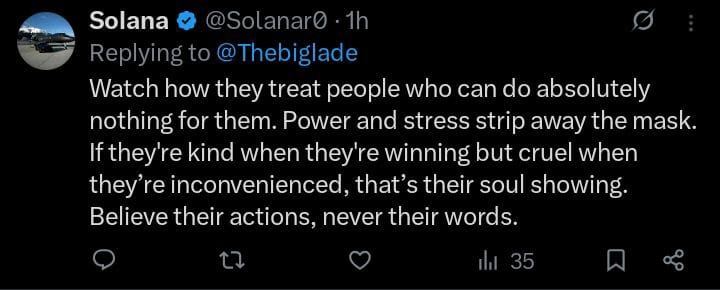
Honestly with no bias intended, this was the only comment that sounded reasonable to me, because how we relate with others tells a lot about our personality. Respect should be non-negotiable and everyone deserves our empathy and kindness whether the people around us can do anything for us or not.
Also just the last statement, actions is what actually matters and not what is being said.
What Psychology Actually Says About Personality and Behavior
Now let's actually talk about the science of personality and behavior.
Psychology has long established that personality is not revealed in a single moment. It is a pattern, a consistent set of behaviors, emotional responses, values, and coping mechanisms over time.
One angry outburst does not define a person, neither does one kind gesture. What matters is frequency, context, and recovery.
Research in behavioral psychology shows that people behave differently depending on emotional states, environment, power dynamics, and stress levels. This is known as state vs. trait behavior.
A state is temporary — anger, hunger, stress, fear. A trait is stable — empathy, impulsivity, patience, aggression.
Confusing the two is where we usually go wrong.
Someone can be kind by nature but poorly regulated under stress. Someone can be calm in public but cruel in private. Someone can be generous when comfortable and selfish when threatened.
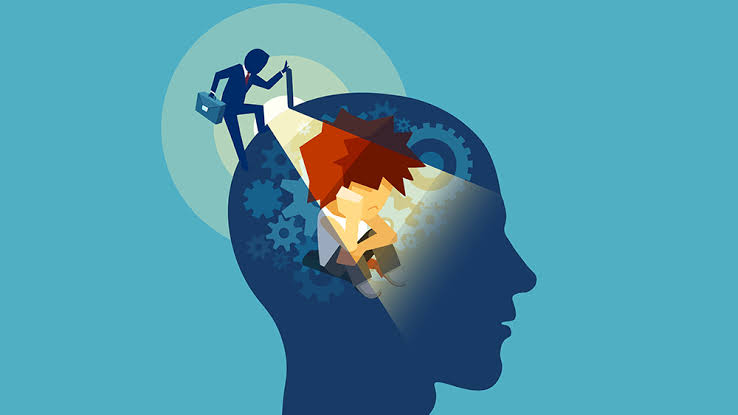
That doesn’t make any single moment fake, it makes humans complex and shows that understanding humans is not a day's job.
Studies on emotional regulation also show that people with better coping skills may still feel anger but express it differently. So two people experiencing the same emotion can look completely different on the outside.
Which means behavior alone is not enough. You need patterns, history, accountability, and growth to fully understand one's personality and in the larger sense their behavior.
And for those who say they can “read aura,” because I couldn't just ignore this comment, even when I was done talking about comments, psychology would gently suggest that what you’re reading is intuition mixed with personal bias and past experiences. Useful sometimes but unreliable when unchecked and does not give a room for a second thought.
Our brains are excellent at creating stories from limited data. That doesn’t mean the story is always correct and that also doesn't mean that it is wrong.
So What Do We Actually Do With People?

If people are not defined solely by anger, pressure, or reading them, then what’s the real test?
Consistency. That is just the simple answer. This is literally seen and felt from:
How they behave over time
How they handle conflict after it happens
Whether they take responsibility or double down
Whether they grow, apologize, adjust
Are their actions aligned with their words across different situations
In friendships, this looks like reliability and respect. In the workplace, it looks like integrity under pressure and fairness in comfort. In relationships and marriages, it looks like emotional safety, accountability, and effort, not perfection because everyone is building themselves to be perfect.
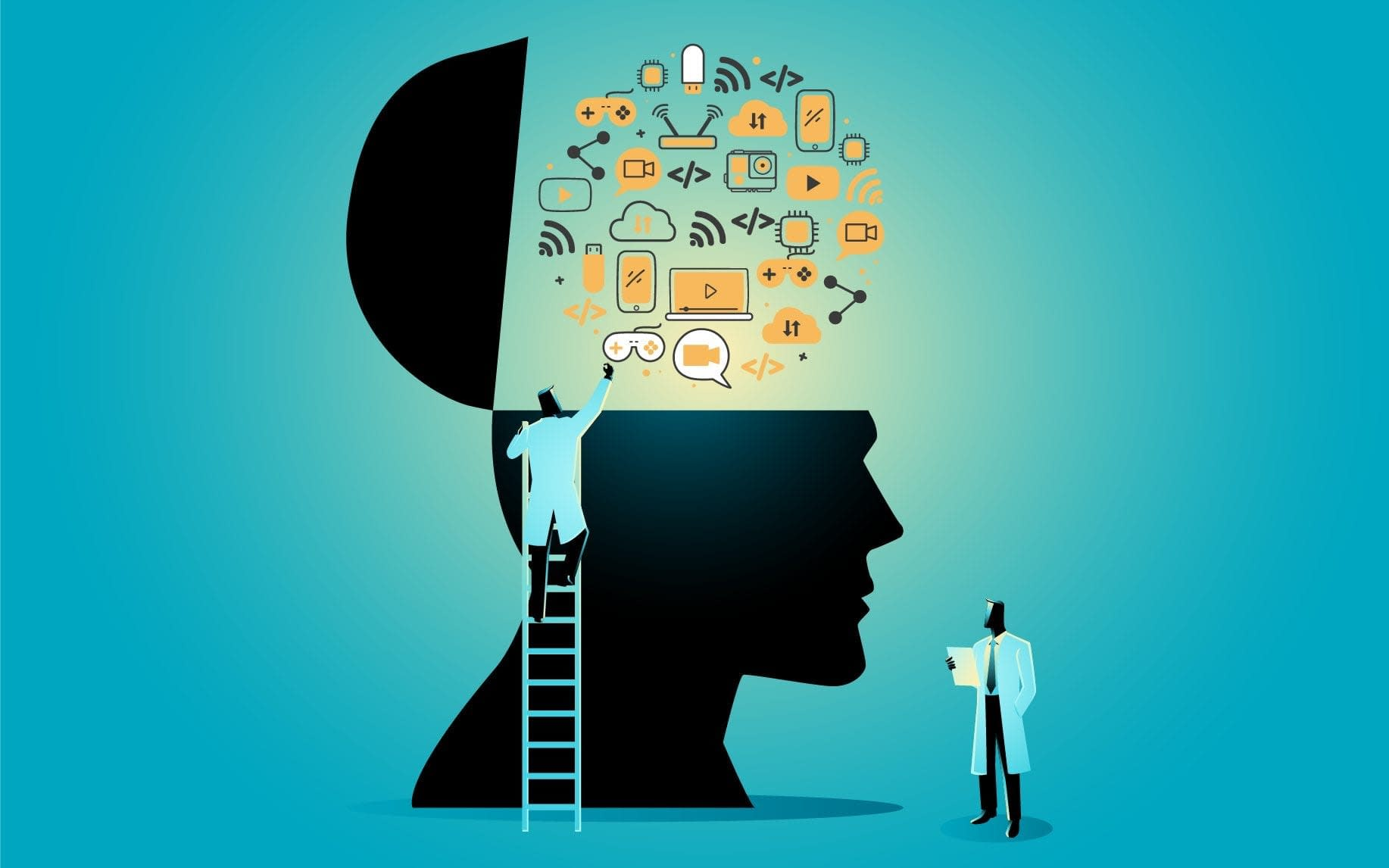
Knowing someone’s personality is not about catching them at their worst or idealizing them at their best. It’s about observing who they choose to be repeatedly, especially when they are given the chance to do better.
People are not static characters like we see in movies. They are evolving systems, who eventually show they truly are over time.
So no, anger alone does not reveal the full truth, kindness alone doesn’t either, pressure doesn’t magically strip masks and reading people's energy based on intuition doesn't just show their traits; it just changes conditions and our perspectives to how we view each other's personality.
The real personality shows up in the pattern, not the moment.
And maybe the better question isn’t “How do you know someone’s true personality?” but: Are we patient enough to observe humans as humans, flawed, layered, contradictory, instead of hunting for a single moment that confirms our assumptions?
Because if we’re being honest, the internet doesn’t reward understanding. It just rewards what is trendy, dramatic and certainly brings engagement.
And humans? Humans likes the drama that the internet usually brings?