How a New Generation is Redefining Global Wellness from the Ground Up
Forget fast fashion. Discover how African designers are leading a global revolution, using traditional textiles & innovative eco-friendly methods to redefine sustainable style.
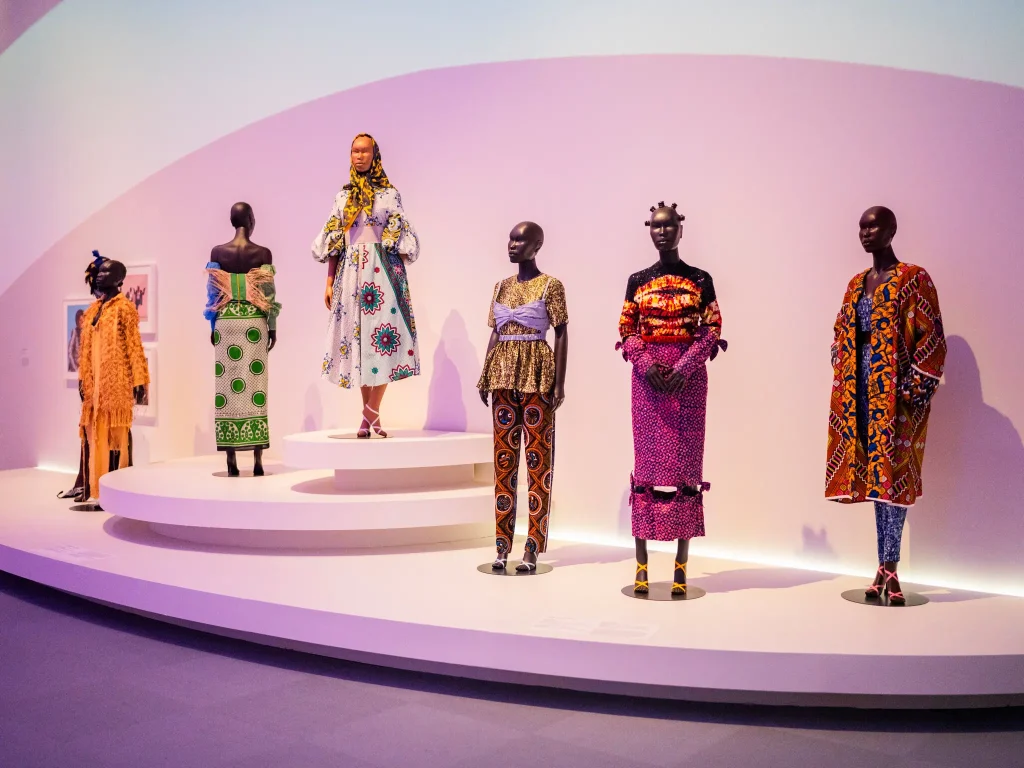
The global fashion industry is at a critical crossroads, grappling with the devastating environmental and ethical crises fueled by the fast fashion model.
This system, built on rapid production cycles and a relentless push for new trends at low costs, has resulted in immense textile waste, excessive consumption of natural resources, and exploitative labor practices.
As landfills overflow with discarded garments and the true human cost of clothing becomes increasingly visible, there is a clear and urgent need for a fundamental shift in how we create and consume fashion.
Against this backdrop of global reckoning, a powerful counter-movement is flourishing across Africa. This movement is not a reaction to the crisis so much as a return to its roots—a deep-seated legacy of craftsmanship, resourcefulness, and cultural value.
For centuries, African textile arts have embodied a slow-fashion ethos, where every piece is imbued with meaning, durability, and a connection to community. This is the foundation upon which a new generation of designers is building a sustainable future.
Today, this new wave of African creatives is not just participating in the sustainability conversation—they are leading it, powered by both centuries-old traditions and groundbreaking innovation.
They are rejecting the throwaway culture of the West and instead are pioneering a fashion renaissance that is a blueprint for a more ethical and environmentally conscious industry. By reviving and adapting heritage techniques and championing local materials, they are demonstrating a holistic and powerful approach that is capturing the attention of the world.
Weaving Heritage into a Sustainable Future
A new generation of African designers is not just creating garments; they are reviving and adapting traditional textile production methods and philosophies to create a truly sustainable fashion ecosystem.
This movement is a rejection of fast-fashion's speed and disposability, returning to a model rooted in longevity, craftsmanship, and respect for materials.
Many designers are drawing on techniques passed down through generations. In Nigeria, the art of Adire (tie-dye) and Batik (wax-resist dyeing) is being revitalized. Instead of using chemical dyes, artisans and designers are turning to natural pigments sourced from plants and minerals, minimizing water pollution and reducing the environmental footprint.

SOURCE: Adire Lounge in Nigeria
For example, brands like Adire Lounge in Nigeria are modernizing these techniques for a global market while strictly adhering to eco-friendly processes. Similarly, in Ghana, the ancient art of Kente weaving is celebrated for its complexity and durability.
Kente is not just a fabric; each pattern tells a story, and the meticulous hand-weaving process inherently slows down production, embedding a philosophy of value and permanence into the finished product.
In Uganda, designers are using barkcloth, an ancient fabric made from the inner bark of a specific fig tree, to create contemporary pieces. This material is not only biodegradable but its harvesting process is entirely sustainable, as the tree regenerates its bark after each harvest.

SOURCE: The Craft Atlas
This highlights a core philosophy: resourcefulness and a zero-waste mindset that has been central to African cultures for centuries.
These traditions are inherently sustainable, not as a trend, but as a way of life, demonstrating that sustainable fashion is not a new concept for the continent.
From Waste to Wearable: The Circular Economy
African designers are uniquely positioned to address the fast fashion waste crisis by actively upcycling discarded clothing and pioneering circular economy models within their communities, transforming a global problem into a local solution.
The problem of fast fashion waste is particularly acute in Africa. Countries like Ghana and Kenya have become major dumping grounds for second-hand clothing from the West, with millions of tons of garments ending up in landfills and polluting waterways.
This has devastating environmental consequences and undermines local textile industries. A compelling report from the BBC on fast fashion waste in Ghana exposed the mountains of discarded clothing in Accra's markets, a stark visual of this crisis.
In response, a growing number of African designers are turning this waste into a resource. They are reclaiming textiles from these markets and meticulously cleaning, treating, and reconstructing them into new, high-value garments.
This upcycling model not only diverts waste from landfills but also creates a unique aesthetic, where each piece tells a story. Brands like Maison O'Massa in Côte d'Ivoire and Thebe Magugu in South Africa, a winner of the LVMH Prize, have incorporated upcycling and recycling into their work, creating pieces that are both sustainable and cutting-edge.
These designers are also building circular economy models that foster local innovation. They are sourcing waste directly from landfills or community collection points, creating a localized supply chain that supports local jobs in sorting, cleaning, and preparation.
This approach challenges the linear "take-make-dispose" model of fast fashion, proving that a closed-loop system is not only possible but is a natural fit for a continent with a deep cultural reverence for resourcefulness.
Economic Impact and Cultural Preservation
This movement is having a profound economic and social impact, creating dignified work for local artisans, preserving cultural heritage, and challenging the dominance of foreign fashion industries.
Culture
Read Between the Lines of African Society
Your Gateway to Africa's Untold Cultural Narratives.
The slow fashion model championed by African designers directly empowers local communities. Instead of relying on cheap labor and mass production, these brands prioritize fair wages and ethical working conditions for the skilled artisans who bring their designs to life.

SOURCE: Real Thread
The revival of traditional techniques ensures that valuable cultural knowledge is not lost; it is passed down to a new generation, providing a sustainable livelihood for weavers, dyers, and embroiderers. A study by the Fashionomics Africa initiative highlighted how investments in the creative and cultural industries, particularly in textiles and clothing, can create thousands of jobs, empowering women and youth in the process.

SOURCE: Fashionomics Africa
This shift also reclaims Africa's narrative in the global fashion industry. For too long, the continent has been seen as a source of raw materials or a consumer of Western trends.
Now, African designers are establishing themselves as innovators and tastemakers, showcasing the continent's profound cultural depth and aesthetic richness on the world stage.
By building businesses that celebrate local identity and craftsmanship, they are creating a compelling case for why "Made in Africa" should be synonymous with quality, authenticity, and sustainability.
Ultimately, this is a movement that goes beyond aesthetics. It's a fight for economic self-determination and cultural preservation.
By prioritizing people, planet, and heritage over profit and speed, Africa's designers are not just changing fashion—they are crafting a more equitable and sustainable future for their communities and offering a model for the entire world to follow.
