Heartbreak in Malawi: Kamuzu Stadium Weeps for Victims of Zimbabwe Bus Tragedy
Kamuzu Stadium, typically a vibrant center for football celebrations, was transformed into a site of profound grief and silence following the arrival of 15 coffins carrying Malawians killed in a devastating bus crash in Zimbabwe. The stadium, long holding memories of athletic triumphs and heartbreaks, now bore witness to the unbearable sorrow of families receiving the lifeless bodies of their loved ones who had ventured abroad in pursuit of survival, only to return in tragedy.
At precisely 7:54 PM, the solemn procession began as a convoy of 15 hearses, escorted by police sirens, slowly entered the stadium. This moment unleashed a torrent of raw emotion; piercing cries filled the night, mothers collapsed, children screamed, and even men, who had strived to maintain composure, broke down helplessly. Police officers meticulously transferred each coffin from the hearses that had journeyed all the way from Harare, as nearly twenty minutes of heart-wrenching sorrow enveloped the stadium, marking the burial of fifteen dreams and shattering fifteen families simultaneously.
Among the victims was an eight-month-old infant whose life had barely begun, a stark reminder of the tragedy's indiscriminate nature. Another heartbreaking case was that of Unique Phiri Soko, a 46-year-old woman who was seven months pregnant and on her way home to Malawi to prepare for childbirth. Tragically, neither she nor her unborn child survived. Her death leaves behind four children, including seven-year-old twins, who must now face a future without their mother. Her brother-in-law, James Gondwe, expressed the family's devastation, stating, "We have lost both the mother and the unborn child. Her husband is devastated."
Another family from Thyolo mourned the loss of John Kanyenga, a 50-year-old man who had spent four years in Cape Town, tirelessly working to support his family back home. He was finally returning to reunite with his loved ones, but instead, he arrived in a coffin. His elder brother, Gracious Banda, articulated the profound impact of this loss, describing Kanyenga as their family's pillar of support, including their elderly mother. "He was supporting our family, including our elderly mother," Banda recounted, his words laced with pain.
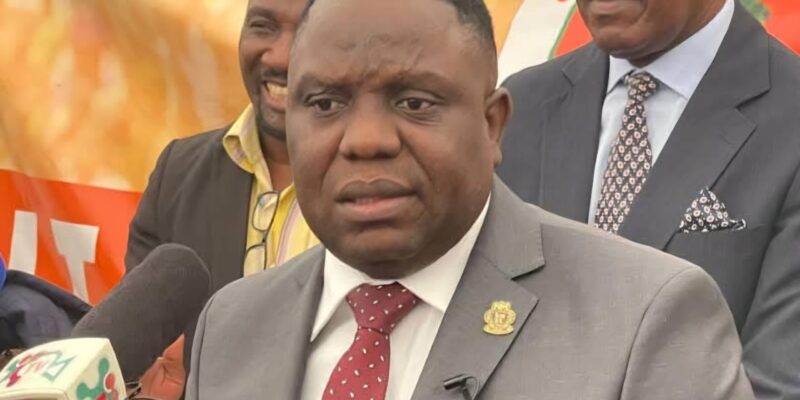
Representing President Peter Mutharika, Deputy Chief Secretary to Government Stuart Ligomeka acknowledged the victims as productive citizens whose lives were tragically cut short. He highlighted that most were young individuals who had crossed borders not for luxury, but out of necessity, seeking work, dignity, and opportunities in foreign lands as poverty continues to grip Malawi. Wilson Mollen provided a breakdown of the victims, noting six women, five men, and four children, with six hailing from Thyolo, four from Mzimba, two from Mangochi, two from Balaka, and one from Mulanje.
Adding another layer of pain to the tragedy, many passengers on the bus were reportedly fleeing rising xenophobic violence in South Africa, which targets foreigners, including Malawians, Zimbabweans, and Nigerians. This grim detail underscores the devastating irony of escaping one danger only to tragically encounter another on their journey home.
As families received death certificates and coffins instead of the anticipated hugs and smiles, a harsh truth resonated: Malawi is consistently losing its people on perilous journeys driven by desperation. The most poignant aspect of the tragedy was the sight of young children standing beside coffins, too large for their comprehension, destined to spend their lives questioning why their parents never returned home.
You may also like...
Football Legend Rio Ferdinand Taps Senne Lammens as Man Utd's Next Decade No. 1!

Senne Lammens has made an impressive impact in his debut season as Manchester United's goalkeeper, earning significant p...
Ben White's Season Ends, World Cup Dream Crushed by Devastating Injury!
Arsenal defender Ben White will miss the rest of the season, including the Champions League final and the World Cup, due...
Jon Bernthal's Punisher Special Reveals Runtime Hours Before Anticipated Premiere

Jon Bernthal returns as Frank Castle in "The Punisher: One Last Kill," a Disney+ Special Presentation releasing tonight,...
Michael B. Jordan's 'Wheel of Time' Fantasy Replacement Series Officially Greenlit for Prime Video

Prime Video has officially ordered a series adaptation of Rebecca Yarros's bestselling "Fourth Wing" novels, with Michae...
Cody Simpson's Career Setback: Vocal Cord Hemorrhage Forces Performance Cancellations

Cody Simpson revealed he sustained a serious vocal cord hemorrhage, impacting his new music promotion and the completion...
Willie Nelson Achieves Unprecedented Chart Milestone, Matching Dolly Parton's Six-Decade Hit Streak

Willie Nelson has joined Dolly Parton in an exclusive club, becoming only the second artist to chart on Billboard's Hot ...
Museveni Begins New Term: Uganda's President Sworn In Amidst Regional Focus

Ugandan President Yoweri Museveni has officially taken the oath of office in Kampala, marking the start of a new term. T...
Heartbreak in Malawi: Kamuzu Stadium Weeps for Victims of Zimbabwe Bus Tragedy
Kamuzu Stadium became a scene of profound grief as 15 coffins arrived, carrying Malawian victims of a tragic bus crash i...