Explosive Controversy: Former President Lungu's Remains Spark Political Storm in Southern Africa
The prolonged dispute over the repatriation and burial of Zambia's late President Edgar Lungu has intensified, with legal rulings now transferring his remains to the Zambian government. This complex situation has sparked strong condemnations, parliamentary discussions on presidential benefits, and strict media guidelines on responsible reporting.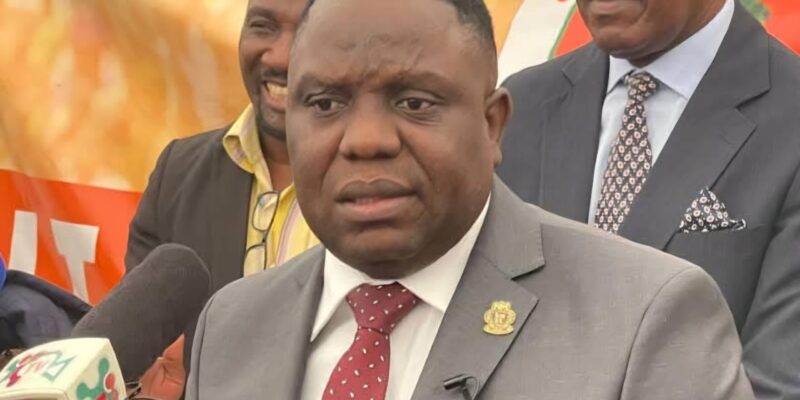
The custody and repatriation of the mortal remains of Zambia's late Sixth Republican President, Dr. Edgar Chagwa Lungu, have been at the center of a prolonged and complex dispute, drawing condemnation, legal battles, and calls for national reflection. President Lungu passed away on June 5, 2025, in South Africa, yet his burial has been stalled for over a year due to a protracted legal tussle between his family and the Zambian government.
Initially, plans for repatriation were disrupted when the family reversed an earlier decision to return his remains to Zambia, despite preparations for a state funeral. This led to an escalation through various legal processes, including applications before the Pretoria High Court and the Constitutional Court of South Africa. In August 2025, the Pretoria High Court ruled that President Lungu's remains should be handed over to the Zambian government for repatriation and burial with full state honors. However, the family continued to challenge this decision through further appeals. Subsequent legal efforts, including an appeal to the Supreme Court of Appeal of South Africa, did not proceed after the family failed to meet submission deadlines, effectively allowing the earlier court ruling to stand. Attorney General Mulilo Kabesha confirmed that the Pretoria High Court had formally transferred Lungu’s remains to the Zambian government.
Amidst these developments, Citizens First leader, Harry Kalaba, vehemently condemned the alleged forceful access to and movement of President Lungu's mortal remains from a South African morgue. In a statement, Kalaba described the act as a moral outrage, a national embarrassment, and a heinous misrepresentation of Zambia’s values. He emphasized the universal sanctity of the dead, asserting that violating this trust is morally reprehensible. Kalaba stated that the UPND government owed significant apologies not only to the Zambian people but also to the South African government and its citizens for dragging them into an embarrassing impasse. He warned that the situation had escalated beyond an individual's alleged obsession with access to the remains, becoming an international incident that strains relations between Zambia and South Africa. Kalaba also critically noted the timing of the alleged desecration, occurring on the eve of a National Prayer Breakfast Day, calling it a painful contradiction and a reflection of disorder, disrespect, and moral decay, urging Zambians to turn to prayer and unity.
The Independent Broadcasting Authority (IBA), through its Director General Webster Malido, repeatedly issued guidance to broadcasting stations on covering matters relating to the late former President. While acknowledging the high public interest, the IBA urged broadcasters to exercise caution and responsibility to avoid causing further distress to the bereaved family and unnecessary public anxiety. Malido emphasized the critical need for broadcasters to rely on credible and official sources, including authorized spokespersons, to safeguard information integrity and maintain public trust. He warned that disseminating unverified information undermines media credibility and compromises the right of audiences to accurate and balanced reporting, appealing to broadcasters to uphold professional and ethical standards in line with Section 5 of the Independent Broadcasting Authority Act of 2002.
Further compounding the situation, lawyers from ENSafrica, representing Two Mountains Burial Services, confirmed that their client had complied with a court order, stating the remains were no longer under their care or control. The South African Police Service (SAPS) had taken custody of the remains for ongoing investigations and had transferred them to a state facility, with the Zambian Government’s attorney advising against immediate repatriation due to these investigations. Two Mountains expressed being in a difficult position, incurring significant legal costs, and stated they were not prepared to accept possession of the remains again. The court order, now executable, clears the legal pathway for President Lungu's return home, though the exact timeline remains uncertain.
The public discourse surrounding President Lungu's passing has also drawn scrutiny. Thomas Mbewe of Ilelanga News highlighted concerns about distorted or selectively framed narratives, specifically criticizing figures like Makebi Zulu for allegedly politicizing the death. Mbewe stressed that public discourse must be guided by truth, dignity, and respect, urging leaders and commentators to uphold integrity and provide honesty to Zambians rather than narratives shaped for personal agendas. He called for all voices to rise above speculation and commit to facts, ensuring President Lungu's legacy is remembered with respect and truth.
In a related parliamentary discussion, a Bill concerning former Presidents' benefits was debated, with suggestions aimed at preventing similar future issues. These included prescribing clear funeral benefits, establishing former Presidents' retirement homes as state residences (like in Botswana), defining entitlements for polygamist Presidents' widows, clarifying inheritance if a President dies without spouse or children, and setting minimum state security levels based on threat assessments. Other points included clarifying entitlements for former Vice Presidents and First Ladies/Gentlemen to ensure their dignity, and discussing the commencement of salary arrears. The idea of Presidential Libraries to preserve the history of former Presidents was also raised, with a note that former President Lungu himself had indicated disinterest in retirement houses as a drain on coffers but never changed the law. The Bill was supported, with calls for it to be beefed up, deferred for more consultation, and benchmarked against practices in South Africa and Botswana.