Harmattan Ghosted Us: The Climate Crisis Nobody's Talking About
Climate change is weakening Harmattan in Nigeria, causing extreme December heat, health risks, rising food prices, and uncomfortable living conditions.
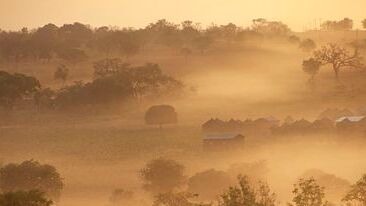
It is December 2015. You are under three thick blankets wearing a cardigan, yet you are still shivering like a fish out of the water. It is freezing cold; the only difference between London and your area in Ibadan is that it isn't snowing.
Your skin is dry enough to pass for leather and your lips have etched on them the routes to Mapo Hall. Petroleum Jelly and Ori have suddenly become your best friends. The only reason you are not reporting this season to God everyday is because you smell holidays and family reunions.
It is December 2025. Your cardigan is still packed in your luggage. Your chiffon shirts are still out. The weather forecast everyday says "Severe Heat".
You can neither smell Christmas nor feel the chill. Rather, you smell sweat, get heat rashes, and wonder if someone played a cruel joke by swapping December with August.
Welcome to the new Harmattan or rather, welcome to what is left of it.
What Exactly Happened to Harmattan?
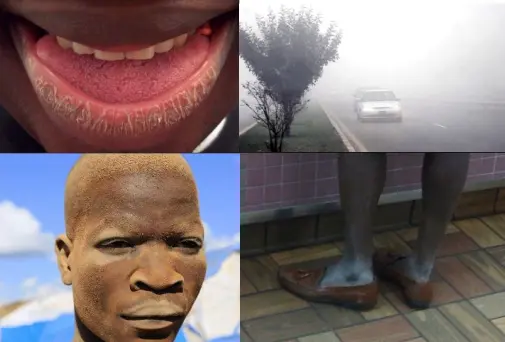
For those who need a refresher, Harmattan is (or was) that glorious season when the Sahara Desert sent its cold, dusty winds down to West Africa between November and March.
It brought temperatures that could drop to 9°C in some areas, turning tropical West Africa into something almost resembling winter. The dust was annoying, yes. The dry skin was terrible, absolutely. But the cold was magnificent.
Harmattan shaped our lives in ways we barely noticed. It told farmers when to dry their crops. It told mothers when to bring out the heavier clothes for their children.
It told everyone when to stock up on Vaseline and body cream. It was the season of outdoor parties because nobody wanted to be stuck inside sweating. It was Christmas in actual comfortable weather.
But something has gone terribly wrong. In December 2024, while you were digging through your wardrobe looking for that cardigan, temperatures in Northern Nigeria hit 38°C.
That is not a typo - thirty-eight degrees in December! During the Harmattan season! The Nigerian Meteorological Agency confirmed what many already suspected: Harmattan has been getting weaker and weaker over the past 30 years, and now it has practically given up.
The winds still blow from the Sahara, but they arrive weak and defeated, unable to bring the cooling effect we have relied on for generations. Climate change has essentially bullied Harmattan into submission, disrupting the atmospheric conditions that made it possible. The result is hot Decembers that feel like betrayal.
Why Should You Care Beyond Your Unused Wardrobe?
You might think, "Okay, so I don't need sweaters anymore. Is that really a crisis?" Oh, my friend. Let me explain why this matters to your body, your wallet, and your future.
Your Body is Not Here for This
Human bodies are adaptable, but they are not miracle workers. We have evolved in West Africa to expect certain seasonal patterns. When December suddenly becomes as hot as May, your body gets confused and starts malfunctioning.
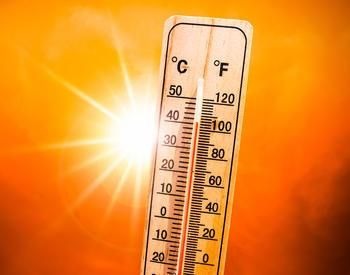
The health implications are genuinely scary. In February 2024, southern West Africa experienced Heat Index values of about 50°C and that is in the danger zone for heat cramps and heat exhaustion.

Some areas even hit 60°C on the heat index, which is extreme danger territory. This is the kind of heat that doesn't just make you uncomfortable; it can kill you.
Medical experts are warning about increased risks of heat exhaustion, dehydration, heat stroke, kidney stress, and cardiovascular problems. And this is happening during what should be the coolest, most comfortable season of the year.
The elderly and children are especially vulnerable. Your grandmother who used to enjoy sitting outside in December is now at risk of heat stroke during what used to be the safest season.
Your Food is Getting More Expensive
Nigerian farmers are not magicians. They plan their agricultural calendars around predictable seasons. They know when Harmattan will arrive, how long it will last, and what temperatures to expect. This knowledge, passed down through generations, guides when they plant, when they harvest, and when they dry their crops.
When Harmattan stops being predictable, this entire system collapses. The 2024 rainy season brought devastating floods to northern states — communities displaced, buildings collapsed, roads destroyed. Then, instead of a nice, cool, dry Harmattan to let everything recover, farmers got extreme heat.
Crops that needed specific conditions to dry properly were ruined. Seeds that needed cool temperatures to germinate failed. Soil that needed a break from rain and heat didn't get it.
The result is simple economics: less food produced means higher prices in the market. That rice will become more expensive. Those tomatoes for stew? More expensive. Everything gets more expensive when farming becomes a gamble instead of a science.
Your Comfort Has Become Negotiable
Remember when December meant you could sleep comfortably without a fan? When you could wear actual clothes instead of the minimum fabric legally allowed? When outdoor events were pleasant instead of endurance tests?
Those days are becoming memories. Many Nigerians spent Christmas 2024 and 2025 confused and uncomfortable, checking weather forecasts that promised 38°C while their minds still expected the usual December chill.
Party planners who organized outdoor events found guests seeking shade instead of dancing. Churches with poor ventilation became ovens during Christmas services. Children couldn't play outside during the day without risking heat-related illness.
And let's talk about energy. Buildings and homes in Nigeria were designed with Harmattan in mind. Many don't have adequate cooling systems because December was always naturally cool.
Now, everyone is rushing to buy fans and air conditioners, straining an already fragile power grid. The irony is painful: we are using more energy to combat heat caused partly by our collective energy consumption globally.
Cities Have Become Heat Prisons
If you live in Lagos, Abuja, Kano, or any other Nigerian city, you are experiencing this crisis more intensely than your rural cousins. Why? Because cities are heat traps.
We have replaced trees and natural landscapes with concrete, asphalt, and steel. These surfaces absorb heat during the day and release it at night, creating "urban heat islands" where temperatures are significantly higher than surrounding areas.
Even when Harmattan manages to blow weakly through, cities barely feel the cooling effect.
Add deforestation to the mix and you have created perfect conditions for unbearable heat. The trees that once helped cool the environment alongside Harmattan are gone. What is left is hot concrete baking under a sun that used to be tempered by cool December winds.
This is Not Just About Nigeria
Nigeria is not alone, and Harmattan is not the only victim.
Berkeley Earth estimates that 3.3 billion people, which is about 40 percent of Earth's population, experienced locally record warm temperatures in 2024. Nigeria was among them. The same climate disruption destroying Harmattan is wreaking havoc on weather patterns globally.
Climate change has made humid heat in southern West Africa about 4°C hotter, and such extreme heat events are now at least 10 times more likely in today's climate. Scientists warn that at 2°C of global warming, these events could occur every two years.
What we experienced as a shocking anomaly in 2024 and 2025 could become the new normal by 2026 or 2028.
The Sahel region is experiencing rapid desertification. Lake Chad continues shrinking. Rainfall patterns have become dangerously unpredictable. And Harmattan? Harmattan is just one casualty in a much larger climate catastrophe.
So What Do We Do Now?
It is easy to read all this and feel hopeless. I get it. When the very seasons are changing, what can one person possibly do?
But the thing is hopelessness is a luxury we can't afford. Climate change is not a distant future problem; it is here, it is now, and it is making December feel like June. We need action at every level.
On a national level, Nigeria needs real climate policy with actual enforcement. Massive reforestation programs. Sustainable urban planning that includes green spaces and heat management. This is not optional anymore.
On a personal level, every small action contributes to the bigger picture. Plant trees if you have space. Reduce energy waste. Support local farmers practicing sustainable agriculture. Stay informed and share accurate climate information.
Most importantly, pressure your leaders, through voting, advocacy, and refusing to accept inaction, to treat climate change as the emergency it is.
And please, let's start talking about this. Not in abstract terms about "future generations" but in concrete terms about right now.
About cardigans we can't wear. About Decembers that don't feel like December. About children who will never experience the Harmattan we knew.