Global Alarm: Iran War Escalates, Threatens World Economy, Trump's Dire Warning Reverberates

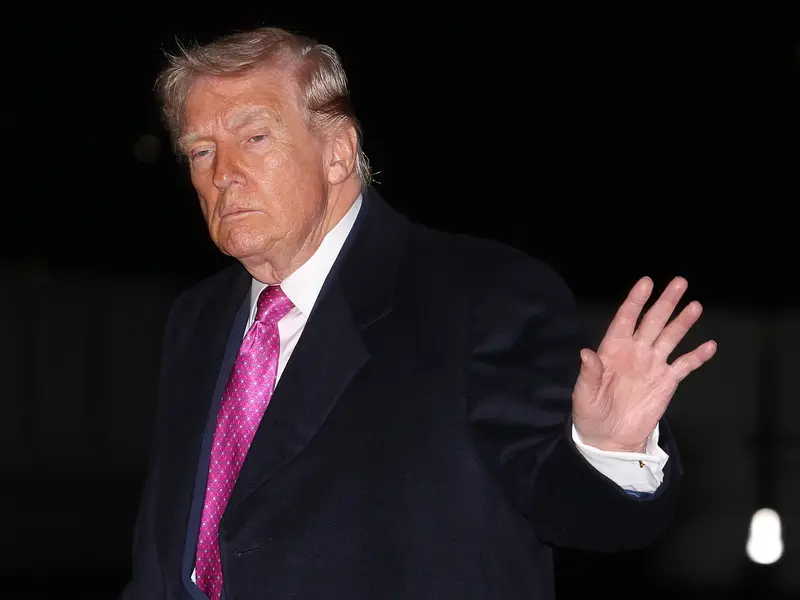
The Middle East is currently experiencing a period of escalating geopolitical tensions and widespread conflict, generating severe repercussions that are being felt globally, including significant economic slowdowns in nations as distant as Kenya. The intensity of the situation was underscored by an ultimatum issued by US President Donald Trump, who threatened unprecedented destruction in Iran if it failed to comply with US war demands by midnight GMT Tuesday. President Trump explicitly warned that “a whole civilization will die” and threatened to bomb “every bridge in Iran” and cripple “every power plant,” further stating his consideration of “blowing everything up and taking over the oil.” These threats followed continuous aerial bombing campaigns carried out by US and Israeli warplanes against Iran since late February.
The ongoing conflict has manifested in a series of direct attacks on critical infrastructure across the region. In Saudi Arabia, a petrochemical complex in Jubail, a city renowned as one of the world's largest industrial centers, was struck, resulting in a fire and reports of loud explosions. Saudi air defense forces claimed to have intercepted seven ballistic missiles targeting the eastern region, with falling debris causing damage near power facilities. As a precautionary measure, the crucial King Fahd Bridge, which connects Saudi Arabia with the island nation of Bahrain, was temporarily closed following security alerts. Saudi Arabia has consistently accused Iran of targeting its energy installations and infrastructure since the initial US-Israeli strikes commenced in late February.
Iran, on its part, has also reported extensive damage to its infrastructure. Israel's Defence Minister Israel Katz confirmed a “powerful strike” on Iran’s largest petrochemical facility in Asaluyeh. Iranian state media corroborated these reports, detailing multiple explosions at the site, and Tehran’s crucial oil export terminal on Kharg island also reportedly came under attack. Iranian officials provided specific details of widespread destruction resulting from US-Israeli airstrikes, including damage to at least two bridges—one near the holy city of Qom and another carrying a railway line in the central city of Kashan. Railway infrastructure in Karaj and a key highway in northern Iran, connecting Tabriz with Tehran, were also hit. These strikes led to two fatalities and three injuries in Kashan. Furthermore, power transmission lines and a power substation were knocked out in parts of Karaj and Fardis, causing significant power outages. All train services to and from Iran's second city, Mashhad, were canceled following a warning issued by Israel.
Amidst this volatile environment, international concern and diplomatic efforts intensified significantly. Pope Leo XIV publicly denounced the threats against Iranian civilian targets as “unacceptable” and a grave moral transgression. The UN Security Council convened to address the effective blockade of the Strait of Hormuz, a critical waterway Iran imposed after the US and Israel initiated the war. Despite initial demands from Bahrain and its Gulf allies for a UN mandate authorizing the use of force, objections from several veto-holding permanent members, including France, Russia, and China, led to a significantly watered-down resolution. The revised draft “strongly encourages states...to coordinate efforts, defensive in nature,” to ensure navigation safety and “demands” that Iran cease attacks on vessels and infrastructure. While falling short of explicit authorization for force, the resolution secured a diplomatic rejection of Iran's obstruction.
The ripple effects of the Middle East crisis have extended to economies far afield. Kenya, for instance, experienced a contraction in its private sector activity in March 2026, marking the first such decline since August of the previous year. The Stanbic Bank Kenya Purchasing Managers’ Index (PMI) fell to 47.7 from 50.4, signaling a decline in overall business health. This economic downturn was primarily attributed to households cutting back spending due to persistently high living costs and the Middle East war driving up global prices. Businesses cited “constrained customer spending, reduced cash circulation and tighter household budgets,” alongside disruptions to international transport caused by the conflict, as major impediments to activity. Despite a sharp acceleration in input cost inflation, with purchase prices rising at the fastest rate in over two years due to higher taxes, fuel, transport, and shipping costs, firms struggled to pass these burdens onto customers. Output prices rose at the softest pace in seven months, with some sectors like manufacturing and construction even experiencing a decrease in average selling charges, effectively trapping businesses between rising costs and weak demand. Compounding these economic woes, Kenya faces a critical “21-day fuel window” as Middle East tensions directly disrupt its vital oil imports.
In a dramatic and potentially pivotal development, Pakistan's Prime Minister Shehbaz Sharif announced on April 7-8, 2026, that the United States, Iran, and their respective allies had agreed to an immediate ceasefire “everywhere, including Lebanon and elsewhere.” This significant diplomatic breakthrough, achieved after intensive Pakistani mediation efforts, was lauded as a demonstration of “remarkable wisdom and understanding” from both sides. Prime Minister Sharif confirmed that follow-up talks aimed at consolidating peace would be hosted in Islamabad, framing the ceasefire as an initial crucial step towards broader negotiations and a potential de-escalation of the regional hostilities, even as Israel had concurrently warned of increased inbound attacks as Trump’s ultimatum deadline approached.
You may also like...
Heat's Playoff Hopes Dented: Miami Falls to Raptors, Faces Play-In Gauntlet for Fourth Time
The Miami Heat are heading to the NBA play-in tournament for the fourth consecutive year, despite their expressed desire...
Wemby Scare: Spurs Star Victor Wembanyama Dodges Major Injury, Status Doubtful for Blazers Clash
San Antonio Spurs star Victor Wembanyama is doubtful for Wednesday's game due to a rib contusion, but is expected to pla...
Shocking Revelation: 'Euphoria' Creator Sam Levinson Drops Bombshells on Angus Cloud Loss and Season 4's Fate

"Euphoria" Season 3 faced immense challenges, including the deaths of Angus Cloud and Eric Dane's ALS diagnosis, with cr...
Exclusive: Norwegian Horror Sensation ‘You’ve Been Chosen’ Secures Global Distribution Deal at Cannes

Blue Finch Films is set to represent Viljar Bøe's psychological horror film "You've Been Chosen" as its worldwide sales ...
Daredevil Stars Tease [SPOILER]'s Pivotal Impact on Season 3
![Daredevil Stars Tease [SPOILER]'s Pivotal Impact on Season 3](https://static0.colliderimages.com/wordpress/wp-content/uploads/2026/04/daredevil-born-again-season-2-charlie-cox-vincent-d-onofrio-interview.jpg?w=1600&h=900&fit=crop)
The new season of Daredevil: Born Again sees Charlie Cox and Vincent D'Onofrio return as Daredevil and Kingpin, explorin...
Wilson Bethel Unlocks Bullseye's Most Unhinged 'Daredevil' Episode

Wilson Bethel delves into the mindset of Bullseye in "Daredevil: Born Again" Season 2, Episode 4, revealing the villain'...
Freed! American Journalist Returns Home After Iraq Abduction, Militants Released in Swap

American freelance journalist Shelly Kittleson has been released in Iraq a week after her abduction by the Iran-backed K...
World Holds Breath: Trump Declares Two-Week Ceasefire, Strait of Hormuz Reopens Amid Iran War Tensions

President Donald Trump announced a two-week ceasefire with Iran, averting a threatened devastating attack just hours bef...