Trump's Escalating Iran Threats Spark Global Alarm

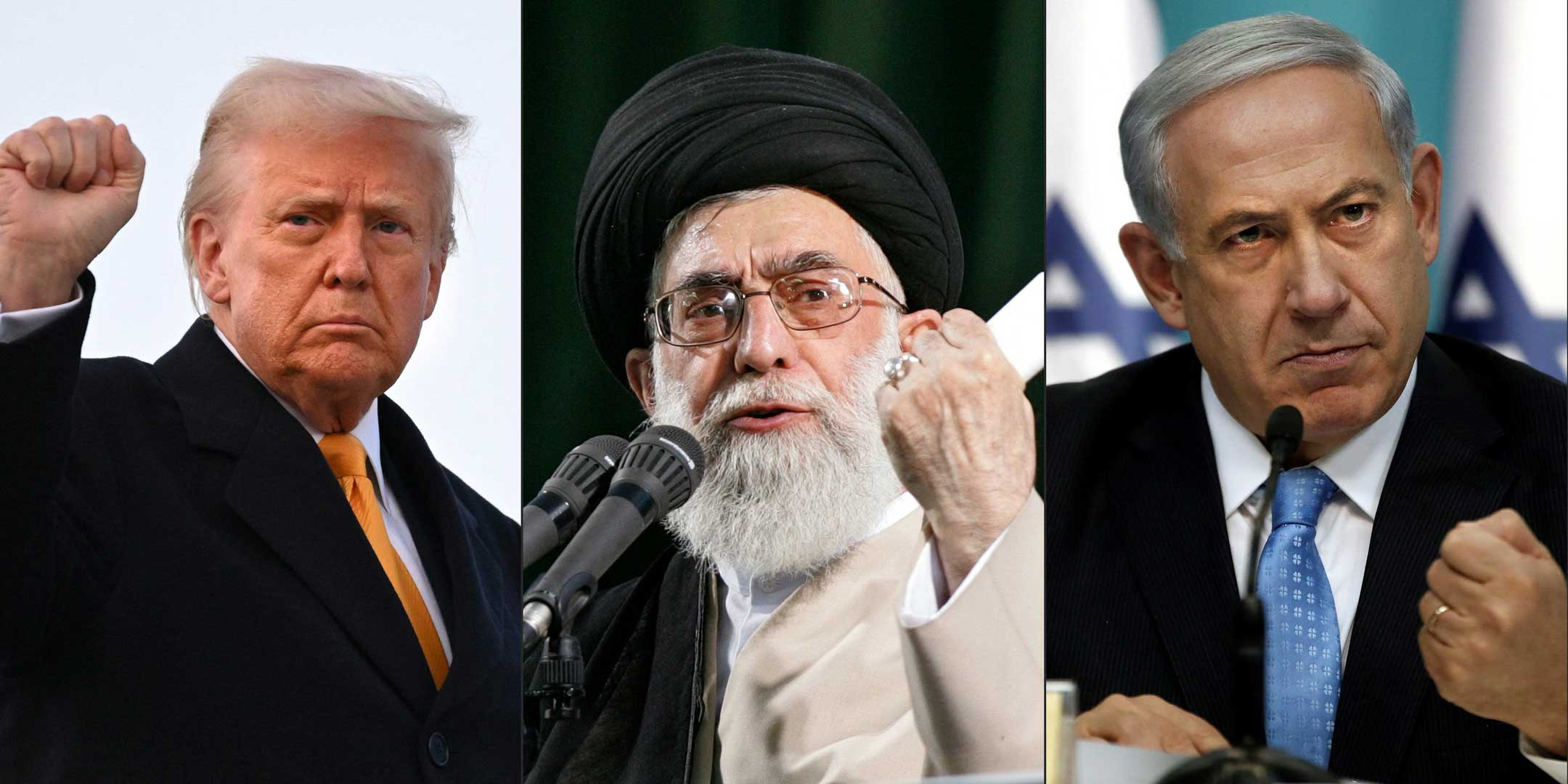
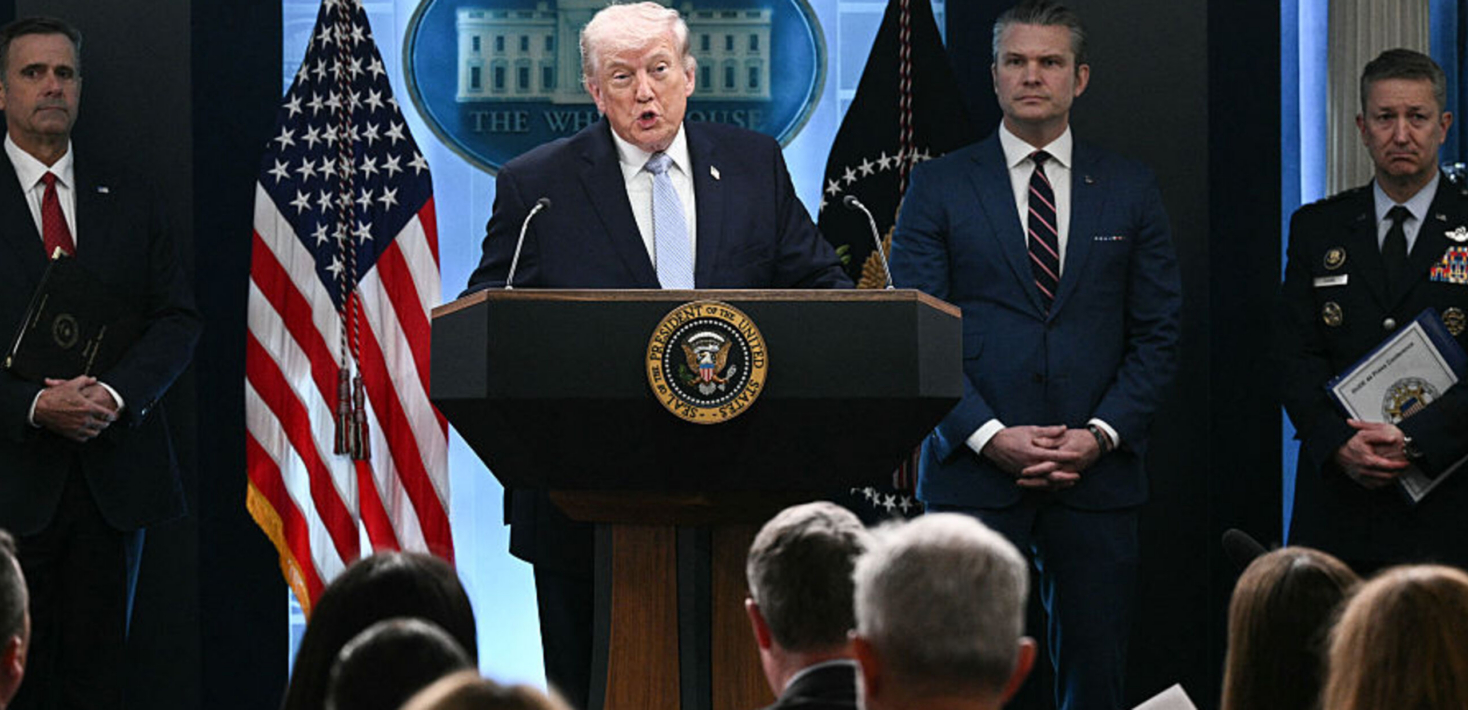
Tensions escalated dramatically as Donald Trump issued a dire ultimatum, warning that Iran’s “whole civilisation will die tonight” if Tehran failed to comply with his demands by an 8pm EDT deadline. This threat, which included the prospective mass destruction of Iranian power plants and bridges, put the world on edge, prompting fears of severe war crimes. Despite the White House’s insistence that the US was not considering nuclear weapons, Trump’s rhetoric targeting Iranian “civilization” raised alarms about his willingness to commit grave atrocities, having previously vowed to demolish all of Iran’s power stations and bridges within four hours of his deadline.
In response, Iran’s Revolutionary Guards signaled their readiness to escalate the conflict, threatening retaliation “beyond the region” and aiming to “deprive the US and its allies of oil and gas in the region for years.” This suggested potential targeting of Gulf oil and gas facilities, a move that could plunge the global economy into recession. Iran’s President, Masoud Pezeshkian, reiterated national defiance, stating that over 14 million proud Iranians were ready to sacrifice their lives. Tehran also put forward a 10-point plan demanding long-term security guarantees, which Trump promptly rejected as “not good enough.”
The international community and US domestic political figures reacted with shock and condemnation. Iran’s representative at the UN, Amir-Saeid Iravani, denounced Trump’s threats as “incitement to war crimes – and potentially genocide,” asserting Iran’s inherent right of self-defense. UN Secretary-General António Guterres reminded all parties that international law prohibits attacking civilian infrastructure, a concern Trump openly dismissed. Domestically, Democrats expressed outrage, with Senate minority leader Chuck Schumer calling Trump “an extremely sick person” and accusing Republicans of enabling a “wanton war of choice.” Calls for invoking the 25th Amendment to remove Trump from office emerged from several prominent figures, including Representative Bonnie Watson Coleman and former congresswoman Marjorie Taylor Greene, who declared, “We cannot kill an entire civilization. This is evil and madness.”
Legal experts highlighted that Trump’s threats directly contravened international law, specifically Article 33 of the Geneva Conventions of 1949, which prohibits collective punishment of a civilian population, and Article 54 of Additional Protocol I, which forbids attacks on infrastructure indispensable to civilian survival. Both the US and Iran have ratified the Geneva Conventions, and the core principles of Additional Protocol I are considered customary international law, binding even on non-ratifying states.
As the deadline loomed, military actions intensified. Israel launched a “wide-scale wave of strikes” targeting dozens of Iranian infrastructure sites, including a rail bridge in Kashan where two people were reportedly killed, a bridge near Karaj, and power substations causing outages. Bridges near Qom and Tabriz were also hit. Israel’s military, in Farsi social media posts, issued warnings to Iranians to avoid train travel due to impending strikes on railway lines. The US, for its part, struck 50 military targets on Iran’s Kharg Island, home to its main oil export terminal. In retaliation, Iran’s Revolutionary Guards attacked Saudi Arabia’s Jubail petrochemical complex. Further Israeli strikes were reported on Khorramabad airport, Tehran, a petrochemical facility in Shiraz, and a ballistic missile launch site in north-western Iran, with a synagogue in Tehran reportedly destroyed as “collateral damage.”
The United Kingdom found itself in a precarious position, with Keir Starmer emphasizing that UK bases would only be authorized for “defensive” strikes on Iranian military targets. This stance aimed to portray the UK as a responsible actor but drew skepticism from international law experts like Susan Breau, who questioned the legal plausibility of neatly dividing defensive and offensive operations, especially given Trump’s explicit intent to attack civilian infrastructure. Victor Kattan, however, suggested the UK could potentially defend its position by asserting that its hardware and personnel were solely for defending Gulf neighbors, not for offensive actions against Iranian civilian targets. Both experts agreed that the UK would need to constantly review its legal position as the conflict evolved.
The escalating crisis underscored a deeply fractured American right, with a divide between hawkish conservatives and Trump’s anti-interventionist “America First” loyalists. Trump’s actions were also marked by a pattern of contradictions: initially dismissing the strategic need for the Strait of Hormuz, then making its reopening central to his ultimatum; claiming total air dominance while a US jet was shot down; and declaring the war won before threatening its most destructive phase yet. This complex and dangerous situation left many fearing a broader, catastrophic regional conflict.
You may also like...
Serrano Readies for Epic Title Defense Against Hanson at MVPW-03

Most Valuable Promotions is set to host MVPW-03 on May 30 in El Paso, Texas, featuring a blockbuster double main event. ...
Wirtz Ignites Debate: Liverpool's 'Giving Up' Against City Scrutinized by VVD

Liverpool midfielder Florian Wirtz has countered captain Virgil van Dijk's assertion that the team gave up in their rece...
'Dune 3' Tickets Sold Out 9 Months Before Release: Fan Hype Reaches Unprecedented Levels

The 2026 box office is experiencing a strong resurgence, highlighted by the highly anticipated December 18 showdown betw...
Marvel's X-Men Reboot Director Unveils Ambitious Plans and Comic Inspirations

Director Jake Schreier revealed that Marvel's X-Men reboot is drawing inspiration from the classic Chris Claremont era o...
Kruger National Park's Stunning Comeback: Renewed and Thriving After January Floods

Kruger National Park in May offers exceptional safari experiences, benefiting from ideal dry season conditions and the u...
Telecoms Under Siege: $12M Lost to Theft as Crime Surges 189%!

South Africa's telecom operators face a crisis as theft surges by 189% to $12 million in 2025, making it the dominant co...
Fintech Fortune: Lucky Secures $23M to Revolutionize North African Banking!

Egyptian consumer credit startup Lucky has secured $23 million in Series B funding to fuel its expansion across North Af...
Crypto Crime Wave: American Fraud Hits Staggering $11 Billion in 2025, FBI Warns!

The Indian SUV market sees compact SUVs leading sales in FY2025, with Tata Punch topping the charts. Maruti Brezza and F...