Ghana's Hunger Crisis Deepens: Millions Face Food Insecurity
Ghana is facing a significant rise in food insecurity, with over 13 million Ghanaians affected by the end of 2024, representing a 7.3% increase. A Ghana Statistical Service report highlights persistent regional and gender disparities, as well as critical links to child nutrition and multidimensional poverty. The GSS emphasizes the urgent need for coordinated, data-driven interventions to achieve Sustainable Development Goal 2 and ensure access to nutritious food for all.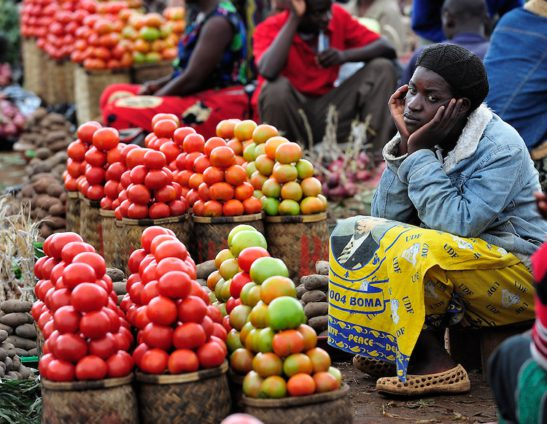
The Ghana Statistical Service (GSS) has revealed a significant increase in the number of Ghanaians experiencing food insecurity, rising by 7.3% between the first and fourth quarters of 2024. This alarming trend persists despite ongoing national efforts aimed at tackling hunger across the country. According to a press release issued by the GSS, the population facing food insecurity – defined as the lack of access to adequate and nutritious food necessary for an active and healthy life – surged from 12.4 million in the first quarter to 13.3 million by the last quarter of 2024.
This year’s World Food Day, observed under the theme “Right to Foods for a Better Life and a Better Future,” serves as a stark reminder that access to nutritious food is a fundamental human right. The GSS report underscores that ending hunger requires not only national commitment but also collective global action and highlights persistent regional and gender inequalities that exacerbate the crisis.
Regional disparities remain a significant concern, with the Volta Region recording the highest rate of food insecurity, which slightly increased from 51.5% in the first quarter to 52% in the fourth quarter of 2024. While the Greater Accra Region maintained the lowest rate, it also experienced a sharp rise from 20.2% to 29% within the same period, indicating a widespread challenge across varying economic landscapes.
Gender inequality continues to play a crucial role, as female-headed households consistently demonstrate higher vulnerability to food insecurity compared to their male-headed counterparts. The proportion of food-insecure female-headed households increased from 40.4% in the first quarter to 44% in the fourth quarter. For male-headed households, the rate also rose, from 32.4% to 37.1%, showcasing a pervasive problem.
Furthermore, the GSS report highlighted worrying links between food insecurity and child nutrition. The proportion of households with underweight children under five years who were food insecure rose from 38% in the first quarter to 44.9% in the fourth quarter. In contrast, the proportion of households with wasted children, a form of acute malnutrition, saw a slight decrease from 46.25% to 43.5%. These findings collectively demonstrate persistent nutritional vulnerabilities, particularly among households with children facing poor health outcomes.
The economic impact of food insecurity is also evident, as the number of Ghanaians who are both food insecure and multidimensionally poor increased by 400,000, rising from 3.7 million in the first quarter to 4.1 million in the fourth quarter of 2024. This reinforces the urgent need for integrated policy responses that address multiple deprivations simultaneously, including income, health, education, and living standards.
As Ghana strives toward achieving Sustainable Development Goal 2 (Zero Hunger), the GSS is calling for coordinated, data-driven interventions. These interventions are crucial to enhance food availability, ensure consistent access to nutritious diets, and strengthen sustainable food systems. Specific recommendations include stronger support for smallholder farmers, the promotion of climate-resilient agriculture, and targeted efforts to close the existing regional and gender gaps in food access.
The Statistical Service concluded with a strong message: “Food insecurity is not inevitable; with the right data, the right policies, and the right partnerships, every Ghanaian can have access to safe, nutritious, and affordable food. The time to act is now so that no table is left empty.”