Ghana Just Won the Amputee Football World Cup. Yes, There Is a World Cup for Amputees
Ghana just won the 2026 Amputee Football World Cup, but did you know there's an entire international football competition for amputees? Its history is fascinating.
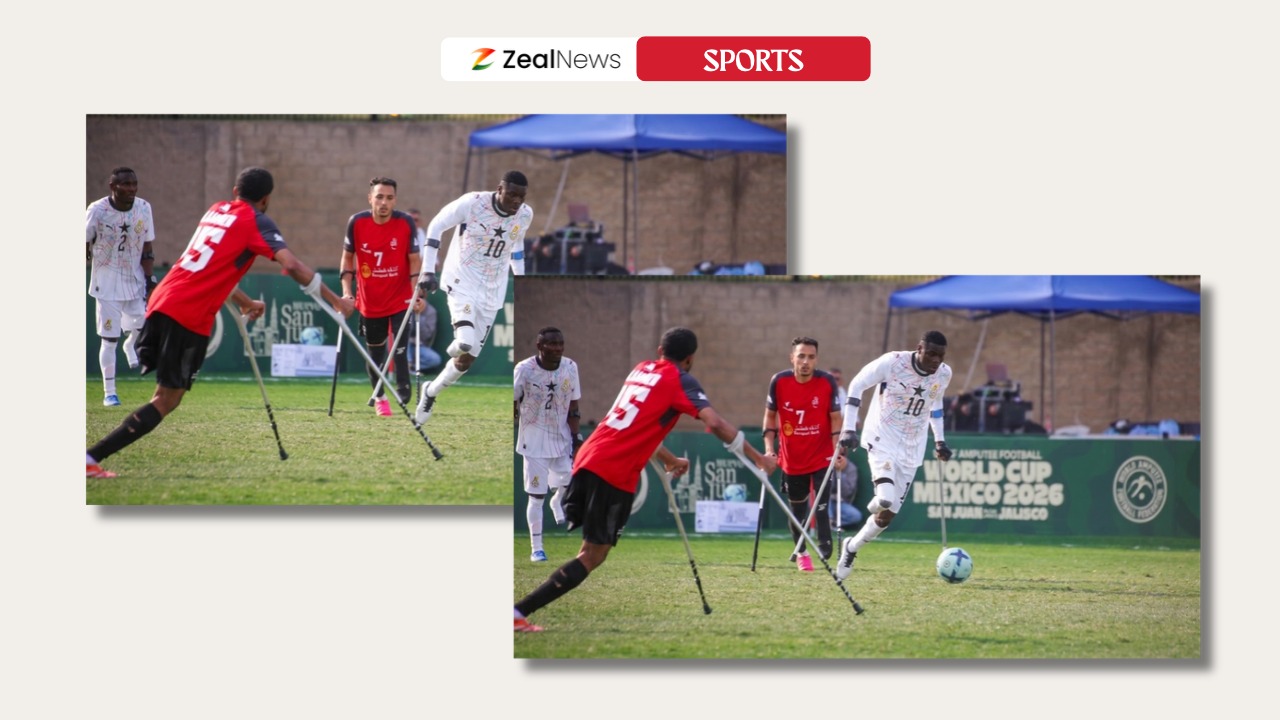
wait until you discover that there is an entire World Cup competition you probably didn't know existed, and no, we are not talking about FIFA's regular World Cup, the Women's World Cup or the premier league.
On November 22, 2026, Ghana defeated Morocco 1–0 to win the World Amputee Football World Cup in Mexico.
The national team, popularly known as the Black Challenge, secured Ghana's first-ever title in the competition. Captain Richard Arthur Opentil scored the only goal in the 32nd minute.
This is not a charity match or friendly exhibition. The 2026 tournament featured 24 countries from four continents, with 80 matches scheduled across ten days.
Another detail: for the first time in the tournament's history, two African countries contested the final. Morocco reached it after defeating Brazil 2–1 in the semi-finals, while Ghana knocked out defending champions Türkiye through a penalty shootout after their match ended 1–1.
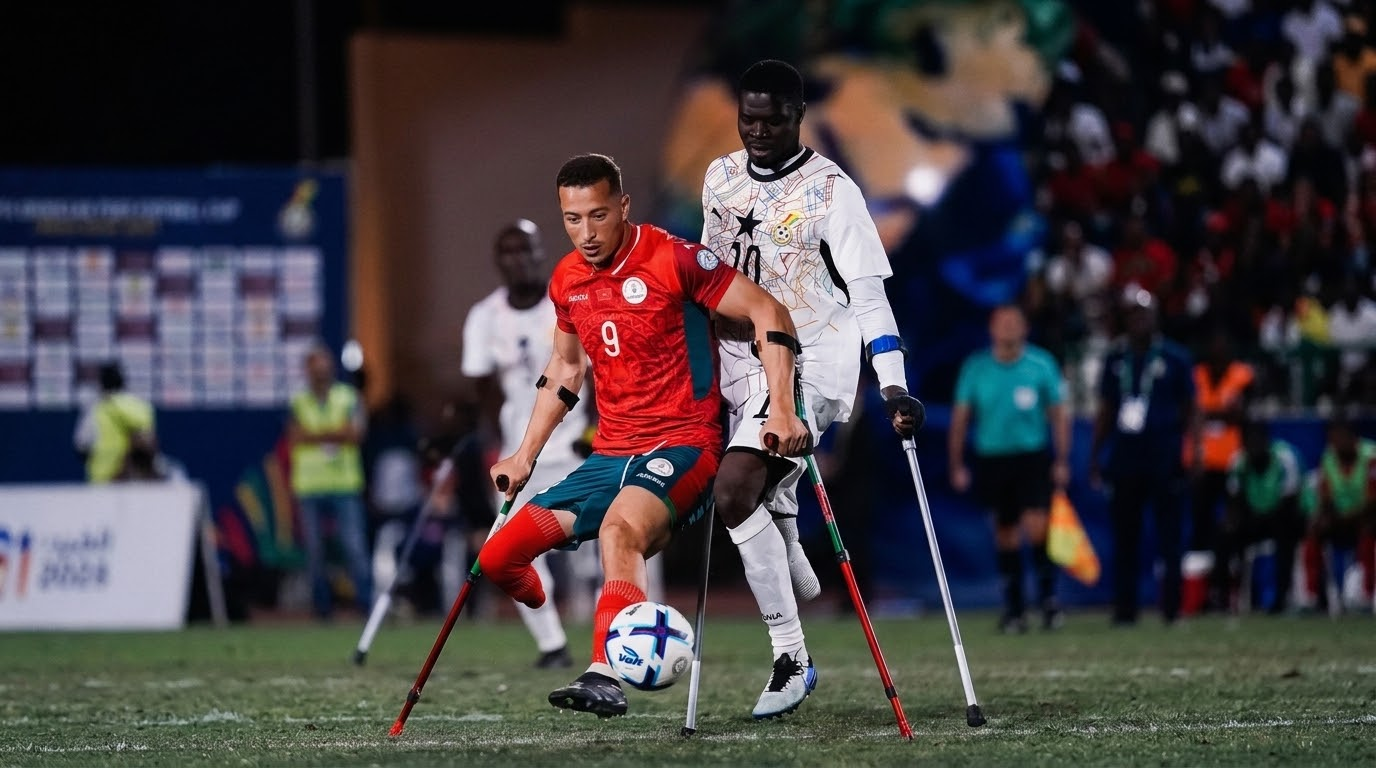
Angola, the 2018 champions, also participated. Nigeria was there too, represented by the national team known as the Special Eagles, who were drawn in Group B alongside Türkiye, Spain and Egypt.
Beyond Ghana's victory, what exactly is amputee football, and how do players compete?
How Does Amputee Football Actually Work?
Amputee football is an organised competitive sport designed for people with limb amputations or certain limb-affecting deficiencies.
It is governed internationally by the World Amputee Football Federation (WAFF), which oversees the sport's development and international competitions.
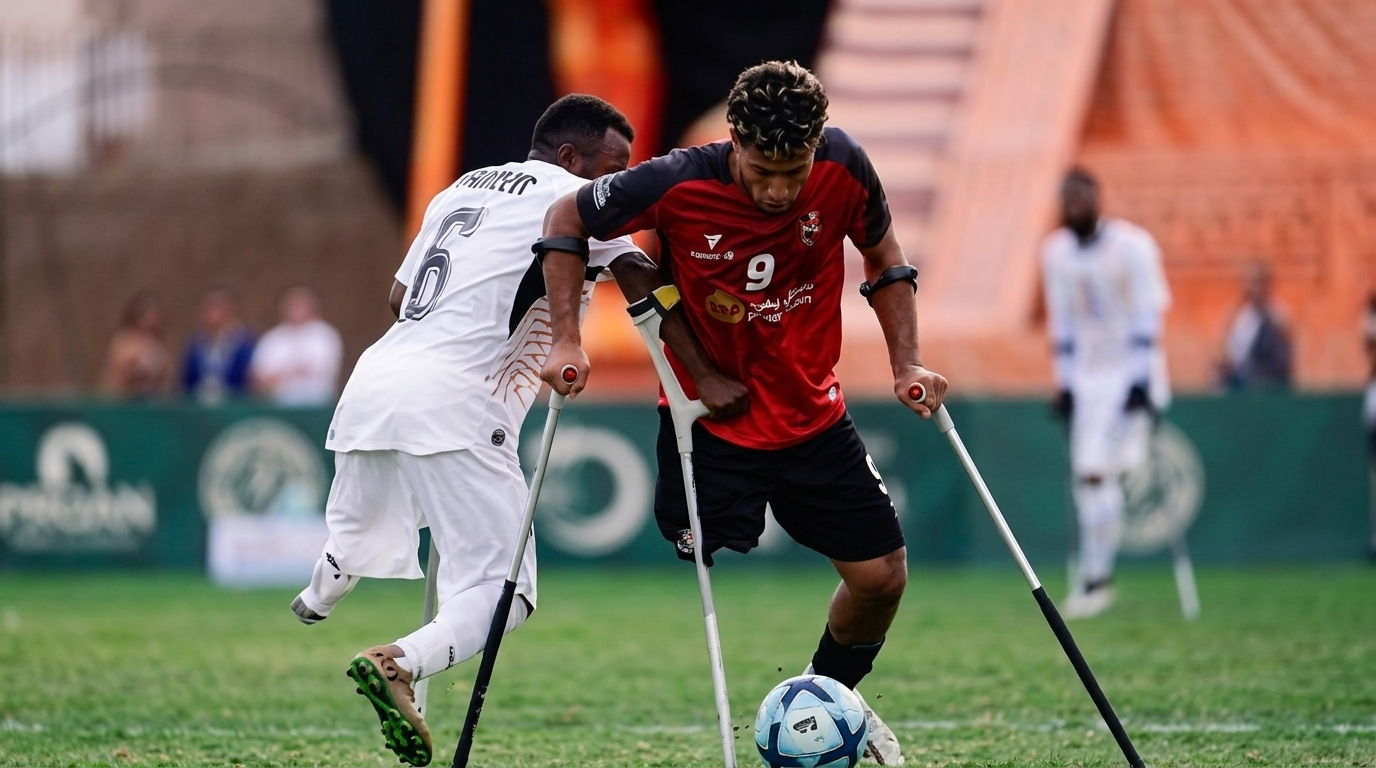
Unlike conventional football, where each team fields 11 players, amputee football is played with seven players on each side, including the goalkeeper.
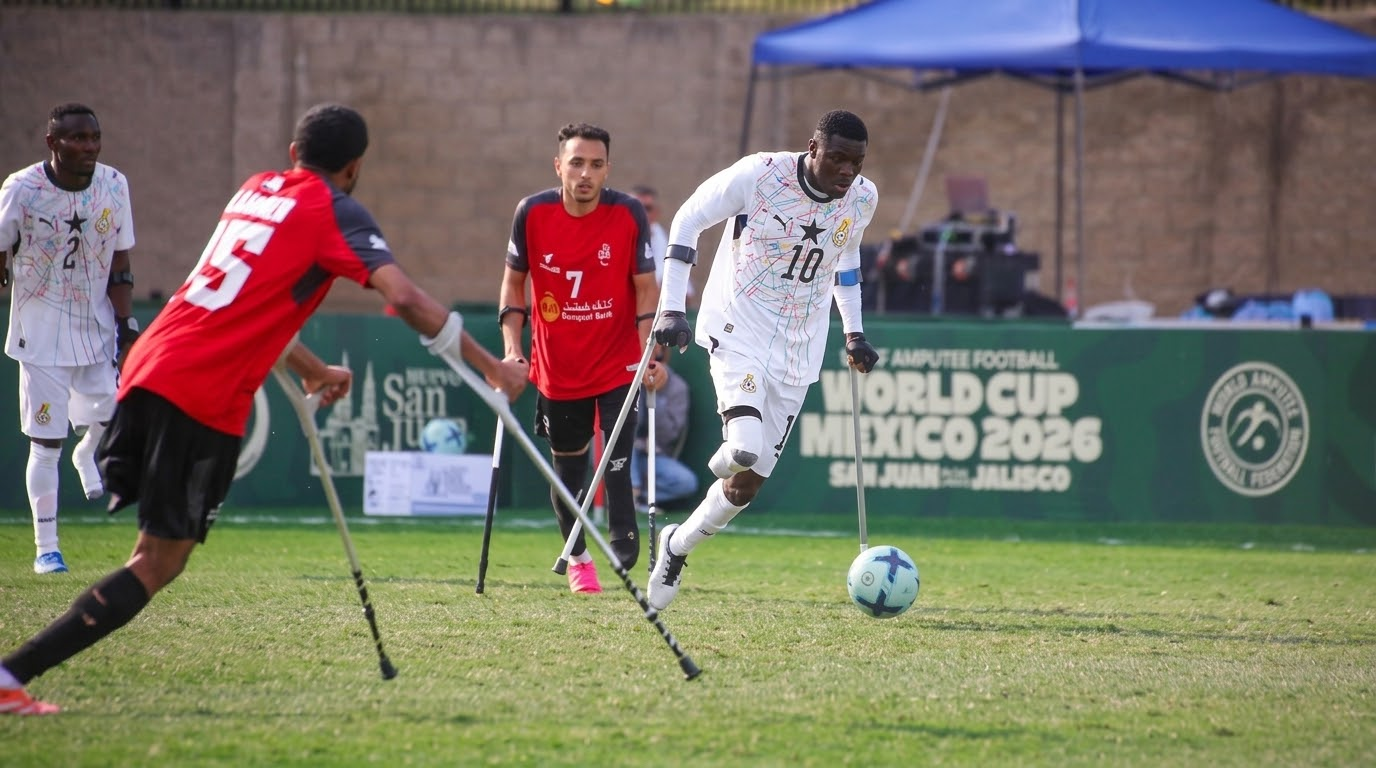
Outfield players have one lower limb and use forearm crutches to move around the pitch. Goalkeepers have both legs but an upper-limb amputation. They defend using one arm.

The crutches help players move, but they cannot use them to control or strike the ball. That job belongs to their remaining leg. The pitch is also smaller than a standard football pitch, measuring approximately 60 by 40 metres.
Players must balance on crutches, move across the pitch, control the ball, pass, defend and score, all while following football's basic objective: get the ball into the opponent's net.
There are also rules against using crutches to interfere with play. So no, a player cannot swing a crutch at an opponent because they are losing possession. Football already has enough questionable behaviour.
The Mexico tournament featured 24 national teams competing for a world title. This is serious international sport, not a casual activity.
How Did Amputees Start Playing Football?
Modern amputee football did not begin with FIFA, a government programme or a major sporting organisation. It started in someone's backyard.
Meet Don Bennett, an American from Seattle, Washington, who enjoyed outdoor activities, particularly skiing, boating and mountain climbing. Unfortunately, a boating accident resulted in the loss of one of his legs.
But losing a leg did not mean he was ready to abandon his active lifestyle. He became the first amputee to climb Mount Rainier on crutches.
Then, in September 1982, Bennett was watching his son practise basketball in their backyard when the ball rolled away. Using his crutches for support, he lifted himself and kicked the ball back towards his son.

That small moment gave him an idea. If he could kick a basketball while balancing on crutches, why couldn't he play football?
Bennett experimented with the sport alongside seven other amputee skiers, initially playing to stay active during summer.
What started as an activity among friends gradually became an organised sport.
The first international tournament took place in Seattle in 1984, attracting teams from the United States, Canada and Central America. Coach Bill Barry helped introduce the sport abroad through the Seattle Handicapped Sports and Recreation Association.
England introduced the sport in 1988, while Uzbekistan, Russia and Brazil later developed their own programmes.
In December 1998, representatives from several countries established the International Amputee Football Federation in Moscow.
Member nations formed the World Amputee Football Federation in 2005.
A man kicking a ball back to his son in his backyard had helped inspire a sport that would eventually bring national teams together for a World Cup. Not a bad outcome for an ordinary afternoon.
How Did Africa Become a Force in the Competition?
Africa's involvement did not begin with Ghana's latest victory.
In February 2007, Freetown, Sierra Leone, hosted the first All-Africa Amputee Football Tournament. Ghana won, Liberia finished second and Sierra Leone came third.
However, Angola became the first African country to win the World Amputee Football World Cup. In 2018, Angola defeated Turkey in the final to lift the trophy in Guadalajara, Mexico.
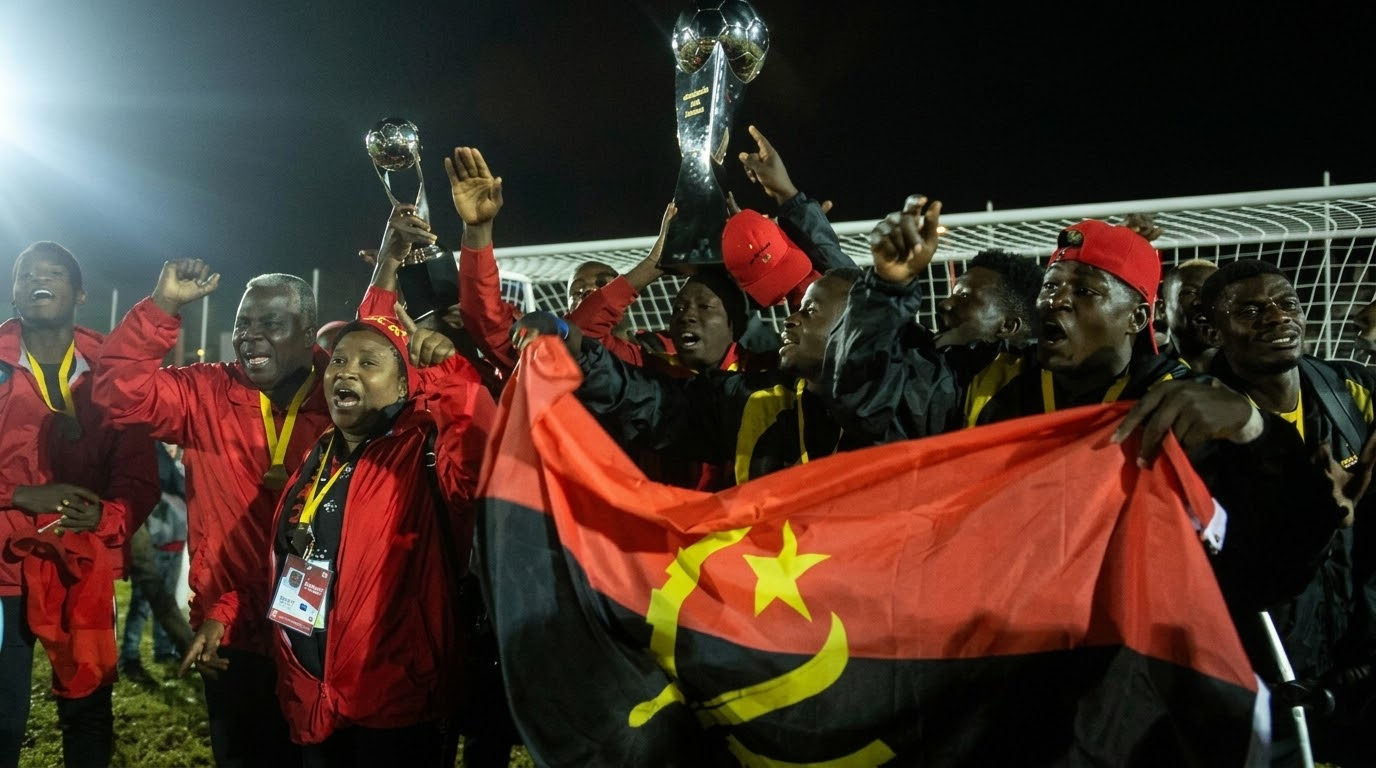
Turkey then claimed the 2022 title on home soil in Istanbul, defeating Angola in the final.
Ghana has now joined Angola as the second African country to become world champion.
Ghana defeated the United States, progressed through the knockout stages and eliminated defending champions Turkey. Forward Mohammed Mubarik finished with seven goals, earning the Golden Boot.
Morocco deserves recognition too. The team reached its first-ever final after defeating Brazil in the semi-finals, before losing to Ghana. Seven African nations participated in the 2026 competition, showing the continent's growing presence in the sport.
Nigeria was one of them. The Special Eagles travelled to Mexico and were placed in Group B with Turkey, Spain and Egypt. Ghana and Morocco may have taken the spotlight by reaching the final, but Nigeria was also part of the tournament.
Football conversations often revolve around the Premier League, AFCON, the Champions League and FIFA's regular World Cup.
They dominate our screens and weekend arguments, while other athletes represent their countries in competitions many people barely know exist.
Amputee football is one of them.
Ghana has just won a world title. Angola has done it before. Morocco has reached a historic final, and Nigeria has also taken part.
The next time someone says football is simply 22 players running after a ball, introduce them to the other World Cup.
Because in Mexico, 24 national teams have just reminded the world that football has room for far more players than many of us realise.