From Public Water Distribution to Private Borehole: The Quiet Collapse of Nigeria's Water Supply
Nigeria’s borehole boom reflects the collapse of public water systems, as households increasingly provide their own water after decades of government failure.
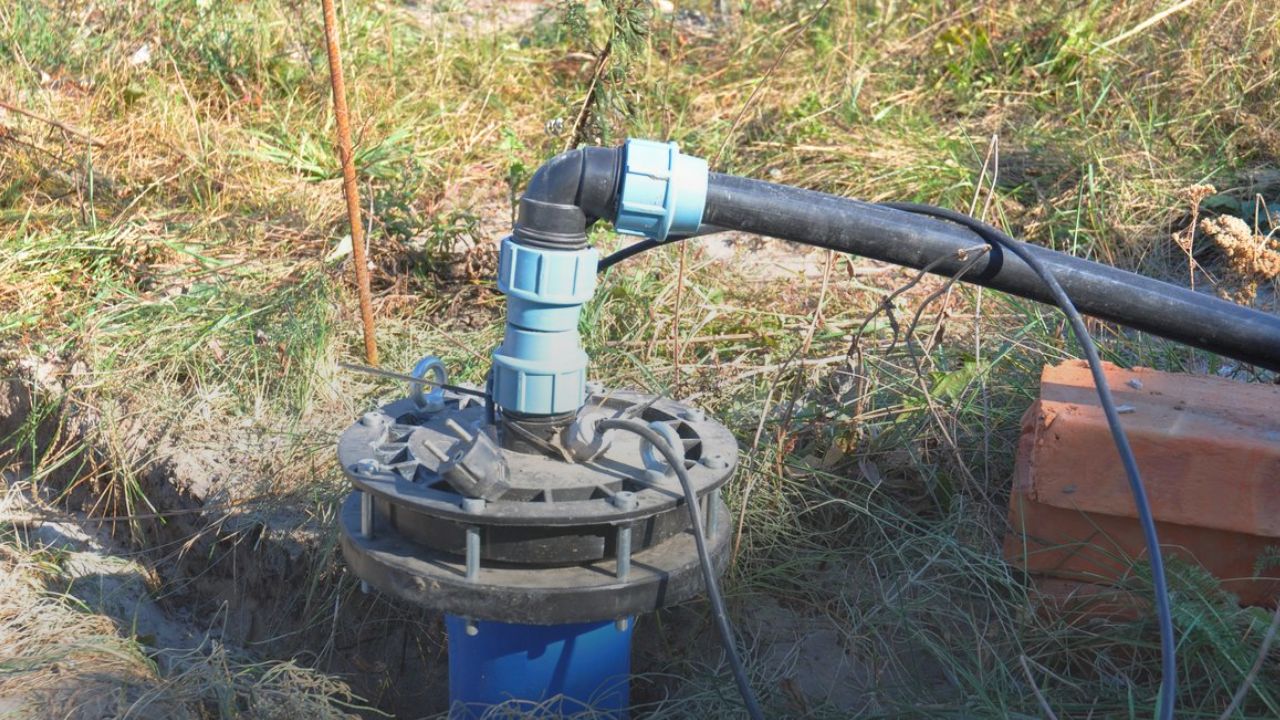
There was a time when getting water in Nigeria did not require drilling a hole into your own compound. It came through a pipe, controlled by the government, and delivered to the home like a public service should be.
That era has been long gone, and in its place stands a system of private boreholes, backyard wells, and tanker trucks that have replaced the state as the country's main water provider.
Every borehole sunk into Nigerian soil is an evidence of the failures of the government in providing its citizens basic public amenities.
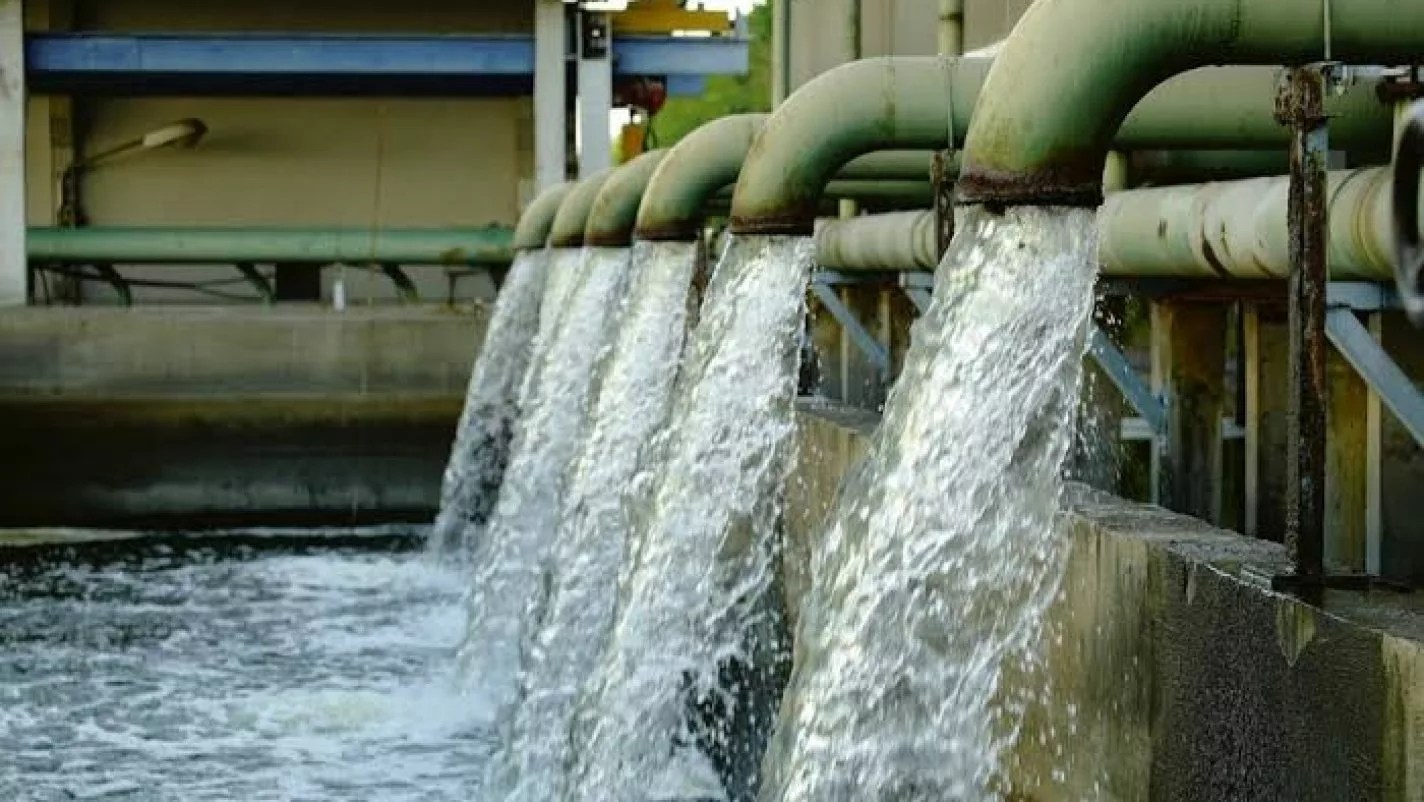
When Nigeria Trusted the Tap: A History of Central Water Supply
Nigeria's formal water supply system traces back to the colonial era. This is when waterworks like the Iju Treatment Plant in Lagos were built in the early twentieth century to serve colonial residents before eventually expanding to wider urban populations.
After independence, regional and later state governments took over water provision through dedicated water corporations. The Western Region set up the first of these bodies in 1966, and other states followed with their own water authorities, taking in staff and infrastructure from the old public works ministries.
For a period, these state water corporations were the backbone of urban water supply and they drew from central treatment plants and distributed water through household connections.
The model was: the government builds the dams and treatment works, the government lays the pipes, and the government bills the household.
Water was treated as a public utility as it should and families did not need to think about where their water came from. They simply opened a tap.
How Nigeria's Water Corporations Fell Apart
That system began to crumble long before most Nigerians under 40 were born. Access to piped water services fell dramatically from roughly a third of the population in 1990 to a small single-digit percentage by 2015, even as urban populations nearly doubled over the same period.
Infrastructure aged without replacement or maintenance. Treatment plants that were designed decades ago for smaller populations were never expanded to match demand, and expansion plans never followed through to completion.
State water agencies were left with limited autonomy over their own finances and staffing, highly dependent on state governments for money that competed with every other budget priority.
Tariff collection stayed weak, so utilities could not fund their own maintenance, let alone expansion. There is also the problem of erratic power supply and this is one infrastructure needed to run pumping stations.
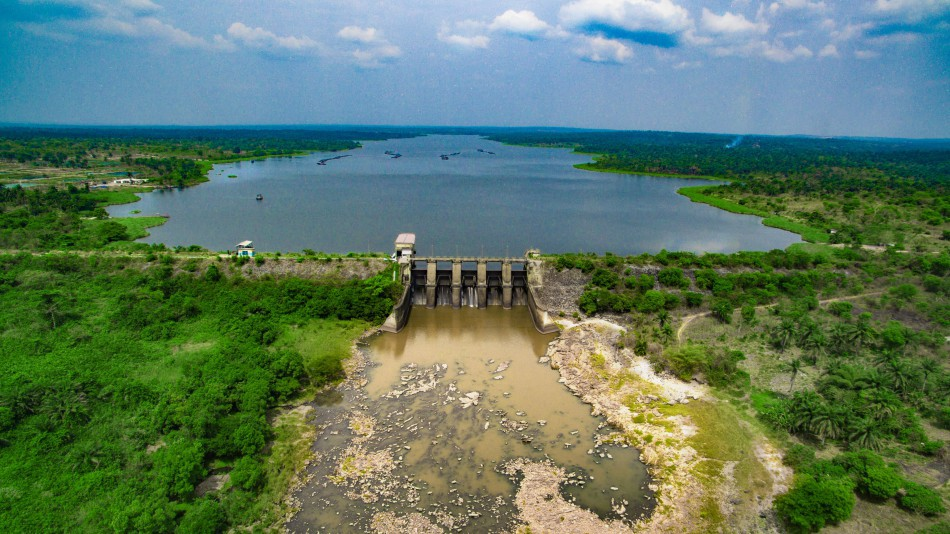
Include poor planning that excluded the communities meant to be served, and weak coordination between federal, state, and local governments, the result was inevitable: public water systems collapsed into disrepair one region at a time.
In Lagos, only around one in ten households currently receive water through the public system.
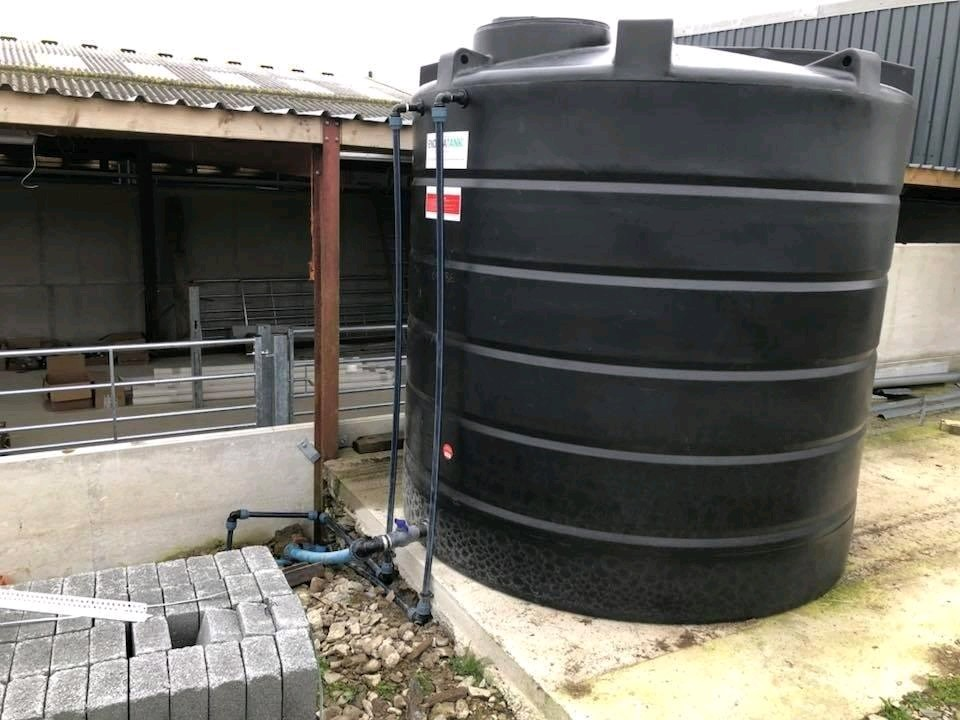
The Rise of the Borehole Economy
Borehole was the answer to this collapse. What used to be a symbol of rural self-sufficiency became a middle-class necessity in Nigeria's cities.
Anyone who could afford it, and increasingly anyone who could not but borrowed to do it anyway, drilled their own source of water. Those without the means dug wells or bought from water vendors and tanker operators who built entire informal economies around the government's failure to deliver.

When millions of households independently conclude that the safest and most reliable way to get water is to become their own water corporation, they are casting a verdict on the institution meant to serve them.
Nobody drills a borehole because they trust the pipes. They drill because they have stopped waiting for them to work.
Enugu's Latest Disruption Is a Familiar Script
The pattern keeps repeating itself in real time. In August 2026, the Enugu State Water Corporation announced yet another temporary disruption in supply to parts of Enugu metropolis, this time linked to pipeline realignment work near the Nnamdi Azikiwe Stadium.
It followed years of unmet promises, including a widely publicized pledge by the state government to deliver water to every household within 180 days of taking office. That deadline came and went years ago, and residents are still waiting, even as the state has budgeted tens of billions of naira for water infrastructure over the same period.
Enugu is not a standout. Nearly every state water corporation in Nigeria has its own version of this announcement: a temporary shutdown, a maintenance notice and a promise that normal service will resume shortly.
For residents who have heard this before, the notice is just background noise; their borehole was never turned off in the first place.
Electricity Failure as the Blueprint for Water Failure
Electricity has been under government-linked distribution structures for decades, through public and now partially privatized distribution companies, and it still cannot deliver steady supply to most homes and businesses.
Generators, inverters, and solar setups have become as normal as boreholes, private substitutes for a public service that never stabilized.
If the government cannot guarantee steady electricity after decades of reform attempts, privatization, and reorganization, what confidence should anyone have that it can guarantee steady water, a resource that requires similar infrastructure, similar funding discipline, and the same institutions that have already failed once?
The borehole and the generator are siblings. Both exist because citizens have learned, through repeated experience, that public utilities in Nigeria are promises first and services a distant second.
What the Borehole Really Says About the Nigerian State
A functioning central water system requires more than pipes and treatment plants. It requires an institution citizens believe will still be reliable next year, and the year after that. Nigeria's state water corporations lost that belief long before most of today's homeowners were old enough to notice.
What remains is a country where self-sufficiency has replaced citizenship as the default relationship between people and their most basic needs.
Every borehole rig that arrives in a Nigerian compound is doing more than searching for water underground. It is recording, quietly and permanently, one more household's decision that the government cannot be trusted.