First Look: 2026 Toyota C-HR Breaks the Mold with Affordable Fun and AWD
The 2026 Toyota C-HR redefines the electric compact SUV segment with a focus on capability and playful driving dynamics. Boasting 338 horsepower and a keen sense of practicality, this new EV balances strong performance with a seamless user experience, hinting at sporty potential despite its all-season tires.
The 2026 Toyota C-HR emerges as a significant contender in the rapidly expanding and fiercely competitive electric compact SUV segment.
This all-new model revitalizes an older nameplate, reimagining it specifically for the battery-electric era, and notably, it shares its platform with the Subaru Uncharted twin.
Unlike some rivals that prioritize outsized range, an area Toyota is still developing, the C-HR strategically focuses on capability, advanced technology, and practical everyday usefulness, aiming to appeal directly to urban commuters and new EV adopters.
Toyota's counterpoint to the competition is a commitment to simplicity, offering acceptable range, accessible performance, and the seamless user experience that has become a hallmark of the brand.
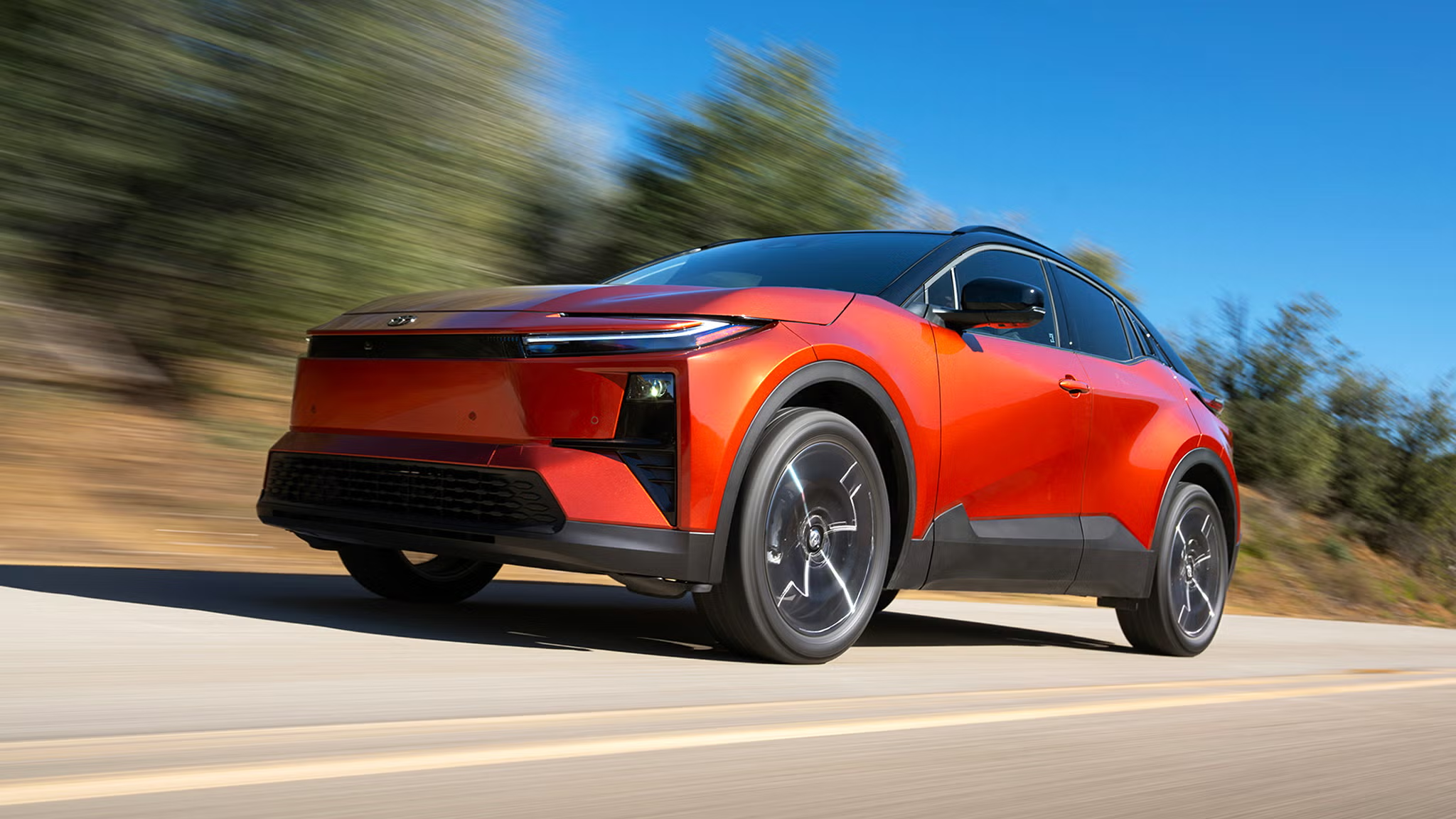
First driving impressions from a comprehensive test day—covering dense city traffic, high-speed freeways, and challenging winding back roads—reveal that the 2026 C-HR is far more than a mere electrified revival.
It embodies the essence of what enthusiasts might have hoped for from the original car: a small crossover that masterfully blends robust practicality with a genuinely playful and engaging driving character.
Under the hood, or rather, beneath the floor, the C-HR boasts impressive performance figures. The headline specification is a robust 338 combined horsepower generated by its standard dual motors.
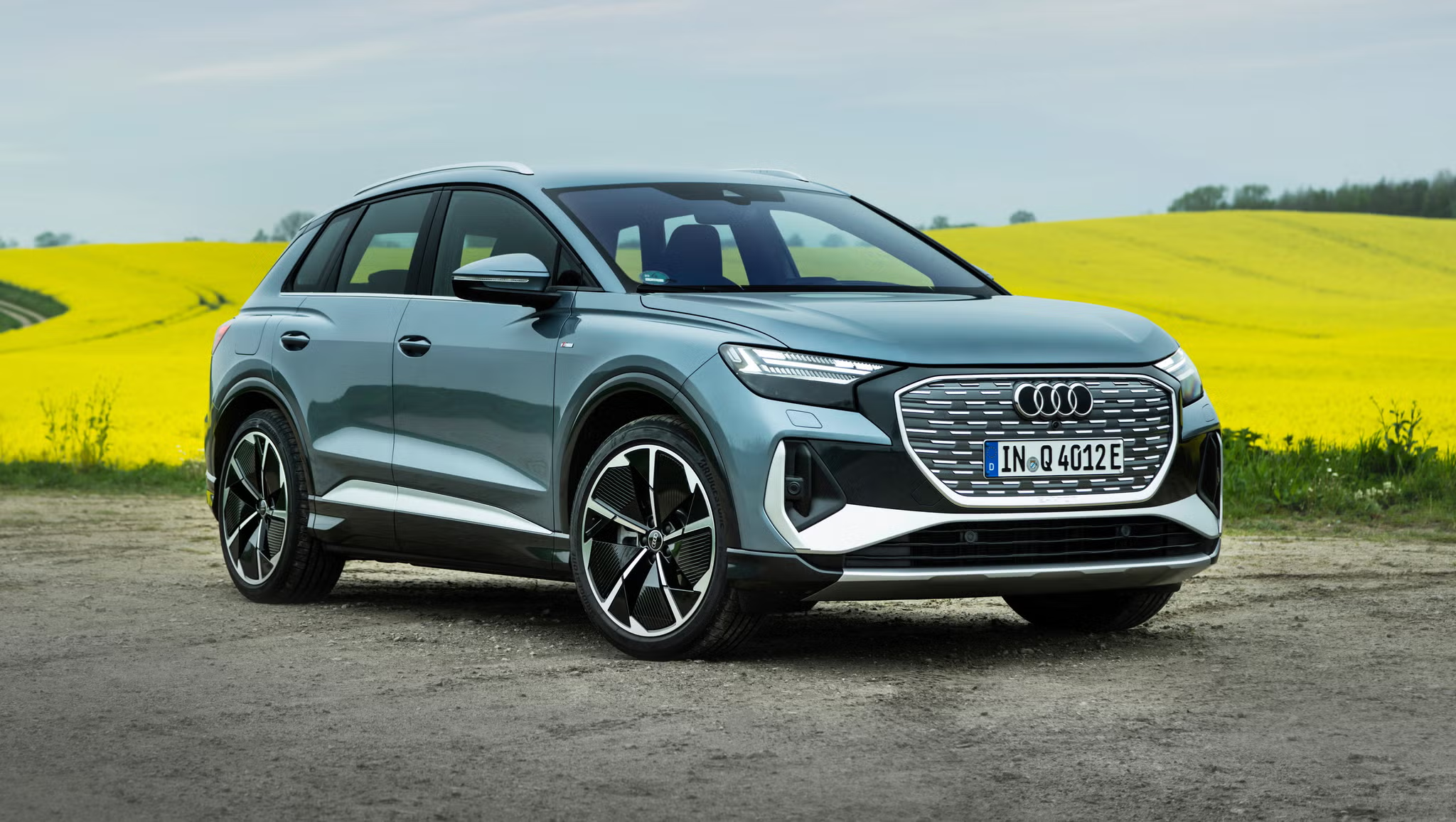
This substantial power output for a small electric SUV positions it competitively, surpassing the 320-hp all-wheel-drive variant of the Kia EV6 and even slightly exceeding the 335-hp Audi Q4 E-Tron. While many vehicles in this segment tend to prioritize efficiency, Toyota has clearly leaned into delivering a performance-oriented experience.
Toyota estimates a 0–60-mph acceleration time of 4.9 seconds, a figure that, based on real-world feel and comparisons to similarly powerful but heavier Toyota models (like the bZ AWD's 4.4-second sprint), seems conservatively understated.
The vehicle responds with notable, albeit measured, thrust when the accelerator is engaged.
The C-HR is built on solid foundations, sharing a close relation with the longer Toyota bZ Woodland. While the all-wheel-drive layout provides inherent stability, the front end can exhibit a tendency to push when carrying excessive speed into corners.
This characteristic is not attributed to a lack of chassis balance but rather to the all-season tires, which are designed to prioritize year-round usability over maximum outright grip. Despite this, the steering response is quick, though feedback to the driver tends to be on the numb side.
Braking performance, however, is a standout feature. Fitted with substantial 12.9-inch front and 12.5-inch rear discs—the same size used on the heavier bZ Woodland—the C-HR delivers confident and powerful stopping capabilities that perfectly complement its straight-line acceleration.
When driven within its limits, the ride quality settles into a composed and well-damped rhythm. A key advantage, common in many electric vehicles, is the C-HR's low center of gravity, thanks to its underfloor battery pack.
Latest Tech News
Decode Africa's Digital Transformation
From Startups to Fintech Hubs - We Cover It All.
This design contributes to a remarkably planted and stable feel, whether navigating sweeping curves or traversing uneven pavement.
While classifying it as an outright "sporty" vehicle might be a stretch for some, the underlying hardware clearly indicates significant dynamic potential, hinting at the exciting possibility of a future GR (Gazoo Racing) variant.