El Niño and Rising Heat Across Africa: 10 Ways to Protect Yourself From Heatstroke
Super El Niño is raising heat risks across Africa. Here are 10 ways to prevent heatstroke, recognise warning signs and respond to a heat emergency.
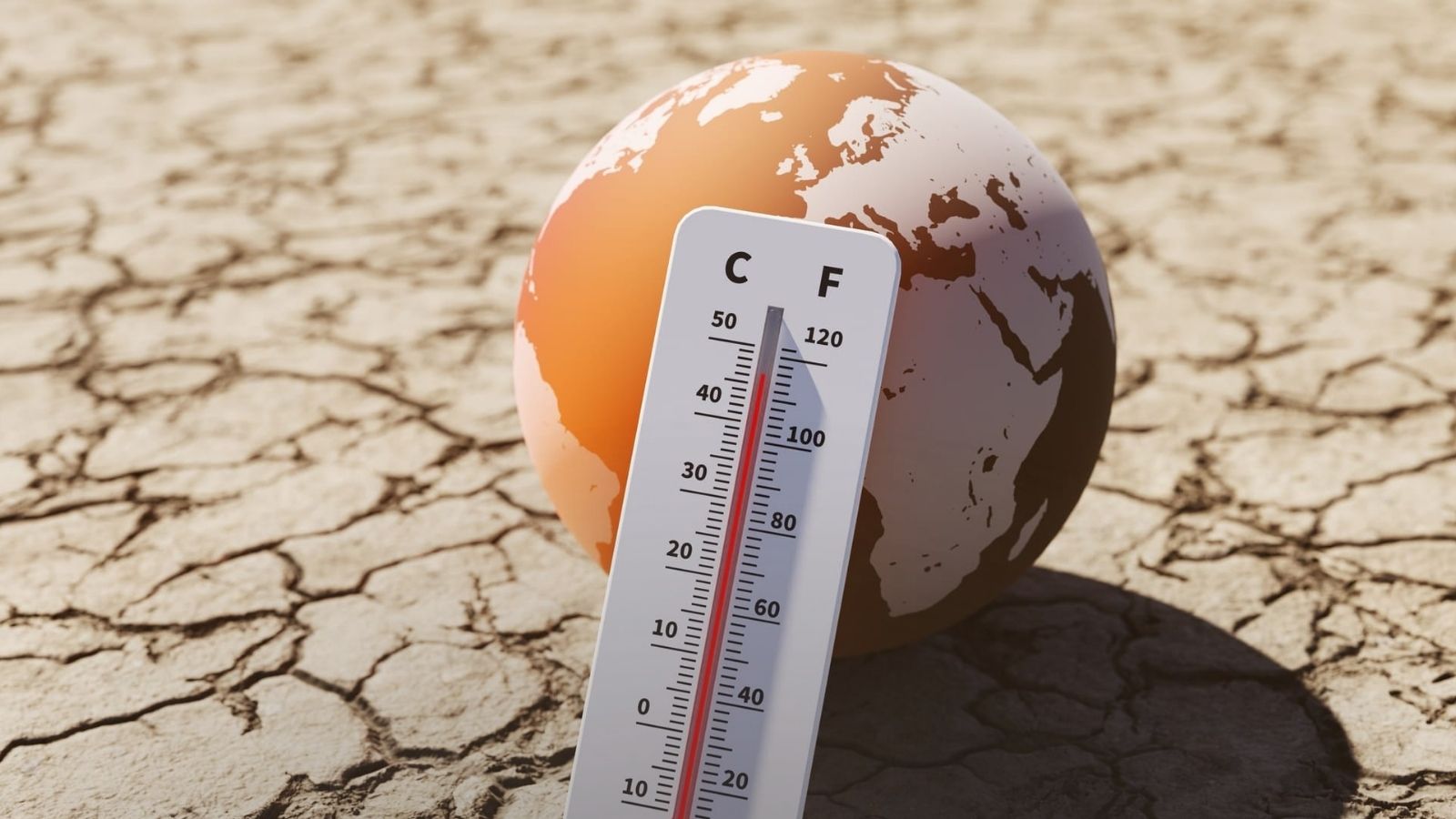
Nigeria is projected to record31,400 excess heat deaths between September 2026 and February 2027. This is the highest toll of any Sahel country during the current Super El Niño.
Many of those deaths will happen quietly, in stuffy and hot places, to people who did not recognise heatstroke in time.
There is, however, some good news. Heatstroke is largely preventable, and survivable when treated fast. Here are ways to protect yourself and the people around you.
Why El Niño Heat Makes Heatstroke More Likely in Nigeria
Heatstroke is the most severe form of heat illness. It happens when the body can no longer cool itself and core temperature rises to 40°C or higher. This high core temperature can damage the brain, heart, kidneys and muscles within hours.
El Niño raises the odds by pushing temperatures above normal across West Africa and the wider Sahel. Sudan, Niger and Chad face similar risks. Even December to February, the classic harmattan period, is expected to stay dangerously warm.
In countries where there are frequent cuts in electricity supply, homes are likely to become heat traps.
Who Is Most at Risk of Heatstroke?
Anyone can get heatstroke, but groups like infants and young children, adults over 65, pregnant women, outdoor workers, people with chronic illnesses and those on medications such as diuretics or certain blood pressure drugs, face higher risk.
People living in crowded, poorly ventilated housing or without steady electricity are also more exposed, which is sadly the situation of millions of households across Nigeria's cities.
10 Ways to Protect Yourself From Heatstroke
Drink water before you feel thirsty. Take a sip steadily through the day and add oral rehydration salts when you sweat heavily.
Avoid the midday sun. Stay indoors or in shade between 11am and 4pm.
Wear light, loose clothing
Keep your home cool. Open windows at night for cross ventilation, draw curtains by day and hang damp cloths near fans. If power fails, spend the hottest hours in shade.
Take cool showers. Wetting your face, neck and wrists lowers body temperature quickly.
Cut back on alcohol and sugary drinks. These drink makes you dehydrated. Water, diluted fruit juice and lightly sweetened zobo are better choices.
Eat light, water-rich foods. Watermelon, cucumber, oranges and tomatoes add fluid, and smaller meals are easier on the body in extreme heat.
Never leave children or pets in parked cars. A closed vehicle can reach deadly temperatures within minutes, even with a window slightly open.
Check on vulnerable people. Babies, older adults, pregnant women and people with heart disease or diabetes overheat faster. Visit neighbours and relatives daily.
Pace yourself outdoors. Traders, farmers, okada riders and athletes should take shade breaks often and stop at the first sign of dizziness or cramps.
Heatstroke Symptoms vs Heat Exhaustion: Know the Warning Signs
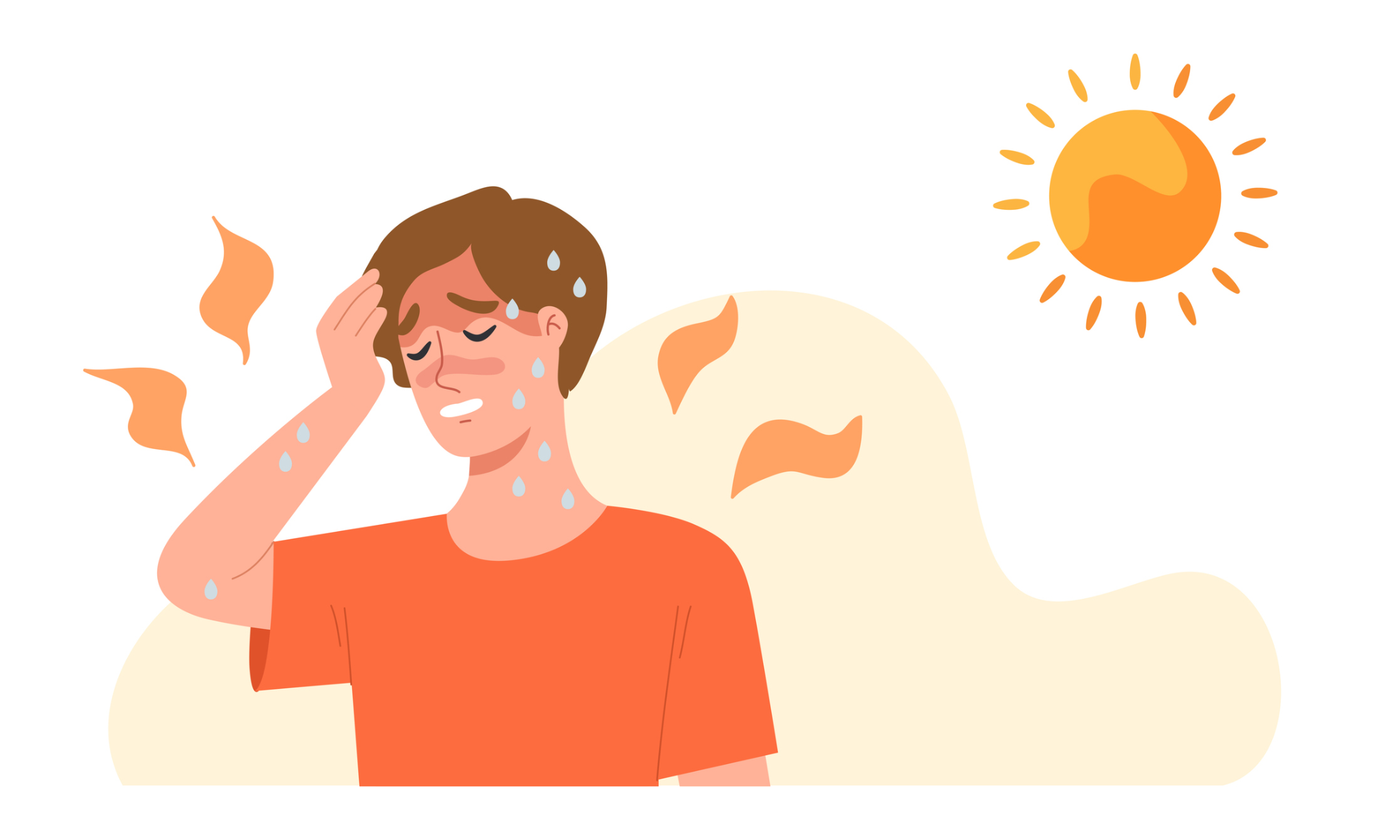
Heat exhaustionusually comes first. Look for heavy sweating, weakness, dizziness, headache, nausea, muscle cramps and cool, clammy skin. Moving to a cool place and sipping fluids often helps.
Heatstroke is a medical emergency. The warning signs include a body temperature of 40°C or above, confusion, slurred speech, hot skin that may be dry or damp, a fast pulse, a throbbing headache, fainting and seizures.
If someone who has been in the heat becomes confused or collapses, treat it as heatstroke.
What to Do If Someone Has Heatstroke: First Aid Steps
Act fast, because every minute counts.
Get the person to the nearest hospital immediately.
Move them to shade or a cool room and remove extra clothing.
Cool the body quickly with cold water, wet sheets or a fan. Place cold packs or wet cloths on the neck, armpits and groin area.
Offer small sips of cool water only if they are fully awake and alert.
Do not give paracetamol or aspirin, as they do not treat heatstroke.
Stay with them and keep cooling until medical help arrives.
Staying Safe as El Niño Heat Continues
El Niño is expected to keep temperatures elevated until February 2027, so these habits should become routine.
Keep a bottle of water within reach, plan outdoor tasks around the cooler parts of the day, and learn the difference between heat exhaustion and heatstroke before you need to.
Heat is a public health threat across Africa this season, and a few simple actions can stop it from turning deadly.