6 Medical Breakthroughs With African Roots That Changed the World
Six medical breakthroughs and milestones from Africa, including pioneering transplants in South Africa, a Nigerian-developed emergency blood-recovery device and Ethiopia’s research into bilharzia control.

Medical history is often told through discoveries made in Europe and North America, leaving less room for work carried out elsewhere.
African researchers and medical teams have also contributed to the field, from developing emergency medical equipment to testing new approaches to disease prevention and organ transplantation.
1. South Africa performed the first human-to-human heart transplant
Source: Heart of Cape town museum
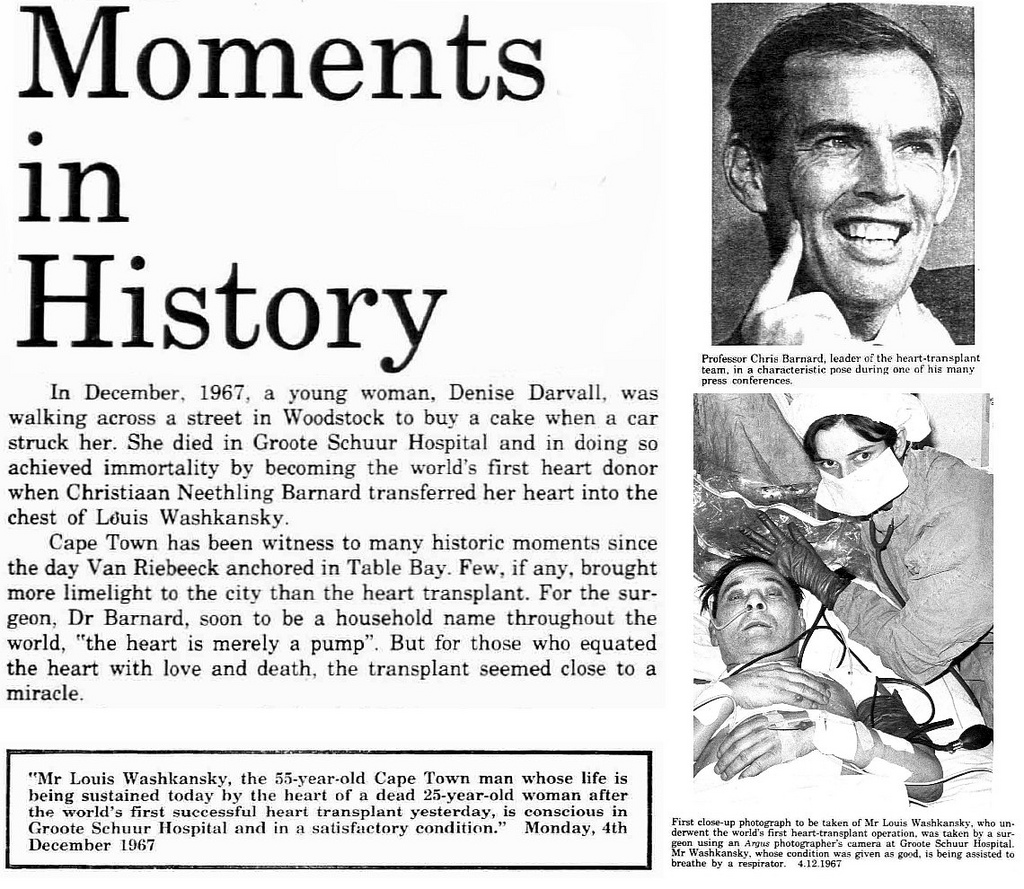
On 3 December 1967, surgeon Christiaan Barnard and his team at Groote Schuur Hospital in Cape Town performed the first human-to-human heart transplant. The recipient, Louis Washkansky, received the heart of Denise Darvall, who had died following a road accident.
Washkansky lived for 18 days before dying from pneumonia. Although the operation did not give him a long life, it demonstrated that a human heart could be transplanted into another person. The achievement brought international attention to cardiac surgery in South Africa.
2. South African researchers advanced kidney transplantation involving people with HIV
For years, an HIV diagnosis made organ transplantation more complicated because of concerns about infection and the effects of immunosuppressive drugs.
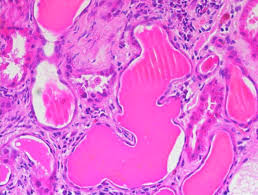
A team led by South African surgeon Elmi Muller investigated whether people living with HIV could receive kidneys from donors who also had HIV.
Between 2008 and 2014, the team transplanted kidneys into 27 carefully selected recipients.
Their findings showed that transplantation could be a viable option for selected patients with HIV, provided they received appropriate treatment and monitoring.
The research added important evidence to discussions about expanding access to kidney transplantation.
3. South Africa recorded the first reported successful penis transplant
In December 2014, surgeons at Tygerberg Hospital in Cape Town performed what was reported as the world's first successful penis transplant. The recipient was a 21-year-old man who had lost much of his penis following complications from traditional circumcision.
The operation aimed to restore functions affected by the injury, including urination and sexual function. The case drew attention to the possibility of transplantation for patients with severe genital injuries, although the procedure remains rare and carries substantial medical and psychological risks.

4. A Nigerian doctor developed an emergency blood-recovery device
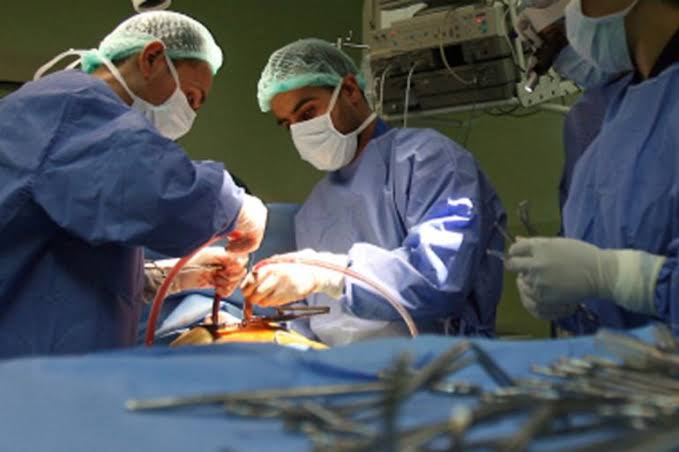
Nigerian doctor Otu Oviemo Ovadje developed the Emergency Auto-Transfusion Set, known as EAT-SET, to help recover and return blood lost inside the body during emergencies.
The device was described in a 1991 medical publication as an emergency autotransfusion device designed for developing countries. Its purpose was to make it possible to collect blood from a patient's body cavity, filter it and return it to circulation when appropriate.
The idea addressed a practical problem in emergency care, particularly where donated blood may be difficult to obtain quickly.
5. An Ethiopian scientist investigated a plant's potential to control bilharzia
Ethiopian scientist Aklilu Lemma researched endod, a plant traditionally used in Ethiopia that can kill freshwater snails involved in transmitting schistosomiasis, also known as bilharzia.
Rather than focusing on treating people already infected, Lemma explored whether the plant could help interrupt the disease's transmission by targeting the snails. A field study published in 1983 reported that schistosomiasis prevalence in the Ethiopian area where endod was used fell from 61.5 per cent to 36.4 per cent over five years.
The research offered a locally grounded approach to disease control. Wider application, however, faced obstacles, including questions about safety, environmental effects, funding and implementation.
6. South African doctors performed a liver transplant from an HIV-positive mother to her child
In 2017, a team at Wits Donald Gordon Medical Centre in Johannesburg performed a liver transplant from an HIV-positive mother to her child. The case was reported publicly in 2018 and was described as the first intentional liver transplant of its kind.
The operation was undertaken because the child needed a transplant and the mother was a suitable donor. Both recovered after surgery, but the child's HIV status was not conclusively established in the initial report.
The case raised difficult questions about donor eligibility and how transplant teams might respond when a patient urgently needs an organ, but then, it remained an exceptional medical decision, not a routine recommendation for transplantation.Wits University announced the case, andthe team published its ethical reasoning in the Journal of Medical Ethics.
Africa's medical contributions have not all had the same reach, but the record is worth knowing, both for what African medical teams have achieved and for the research that continues to shape what medicine can do.