Eight Days Before Nigeria’s Independence, America Appointed Its First Ambassador. How Did It Happen?
Joseph Palmer was appointed America’s first ambassador to Nigeria on September 23, 1960. Nigeria gained independence on October 1, and he formally presented his credentials three days later.
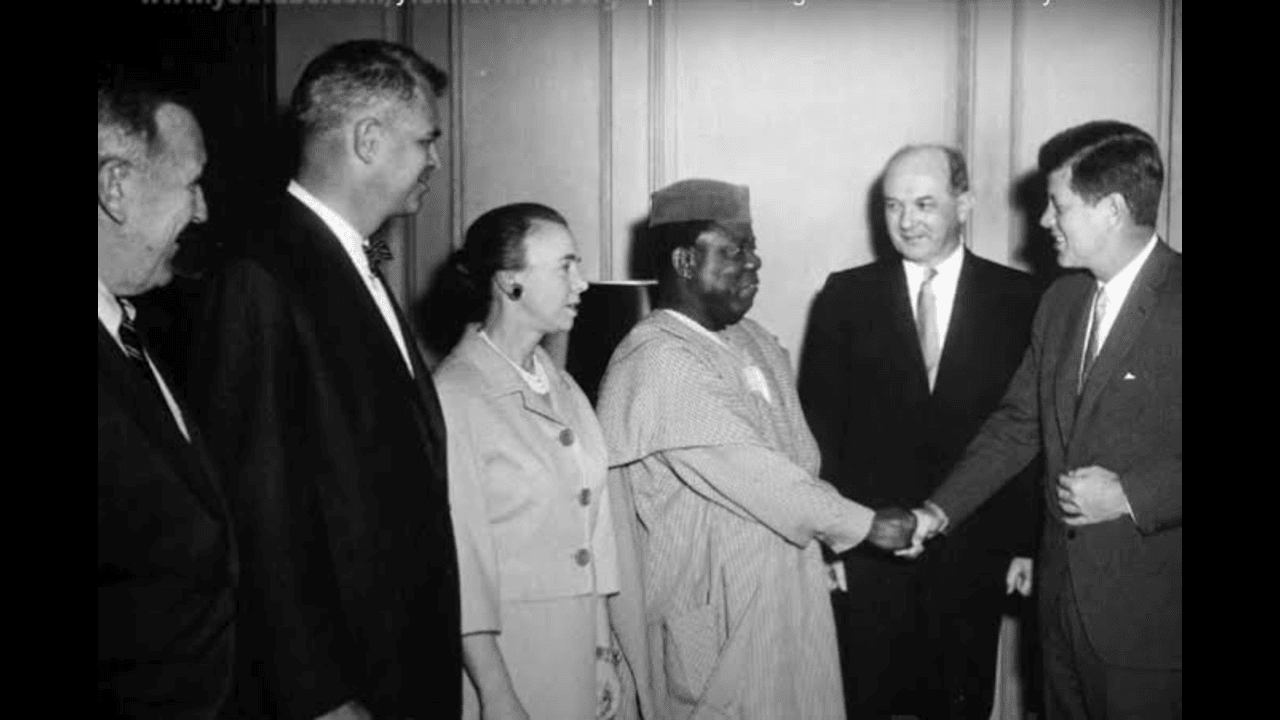
Nigeria was still under British rule when Joseph Palmer II was chosen as America’s first ambassador to the country. His appointment came as preparations for independence were already underway, with Nigeria set to become independent on October 1, 1960.
Palmer would not formally present his credentials until after independence. Between his appointment and that ceremony, Nigeria crossed from colonial rule into independence and the American diplomatic mission in Lagos changed with it.
Joseph Palmer Had Already Worked Across Africa
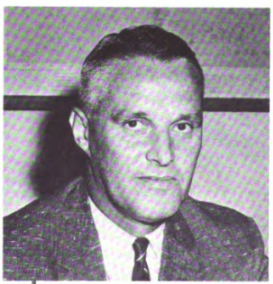
Palmer was a career U.S. Foreign Service officer who had spent years working on African affairs before being sent to Nigeria.
He joined the Foreign Service in 1939 and served as a consular officer in Nairobi from 1941 to 1945. He later worked in the State Department's African division and held other diplomatic assignments, including a posting asConsul General in Salisbury, Southern Rhodesia.
By the time Eisenhower appointed him to Nigeria, Palmer was therefore not new to African diplomacy. His appointment came as the United States was establishing formal relationships with several newly independent African countries.
Nigeria Became Independent Eight Days Later
On October 1, 1960, Nigeria became independent from Britain.
The change also altered the way the United States was represented in Lagos. The American Consulate General in Lagos was elevated to an embassy, with Palmer placed in charge while he waited to formally present his credentials to the Nigerian government.
The United States recognised Nigeria's independence that same day. Secretary of State Christian Herter sent a congratulatory message to Nigerians through Voice of America, while Eisenhower sent a letter to Prime Minister Sir Abubakar Tafawa Balewa the following day.
The diplomatic relationship was being established almost alongside Nigeria's independence itself. Nigeria also opened its embassy in Washington on October 1, with M. J. Garba served as chargé d'affaires ad interim.
History
Rewind the Stories that Made Africa, Africa
A Journey Through Time, Narrated with Insight.
Palmer Presented His Credentials Three Days Later
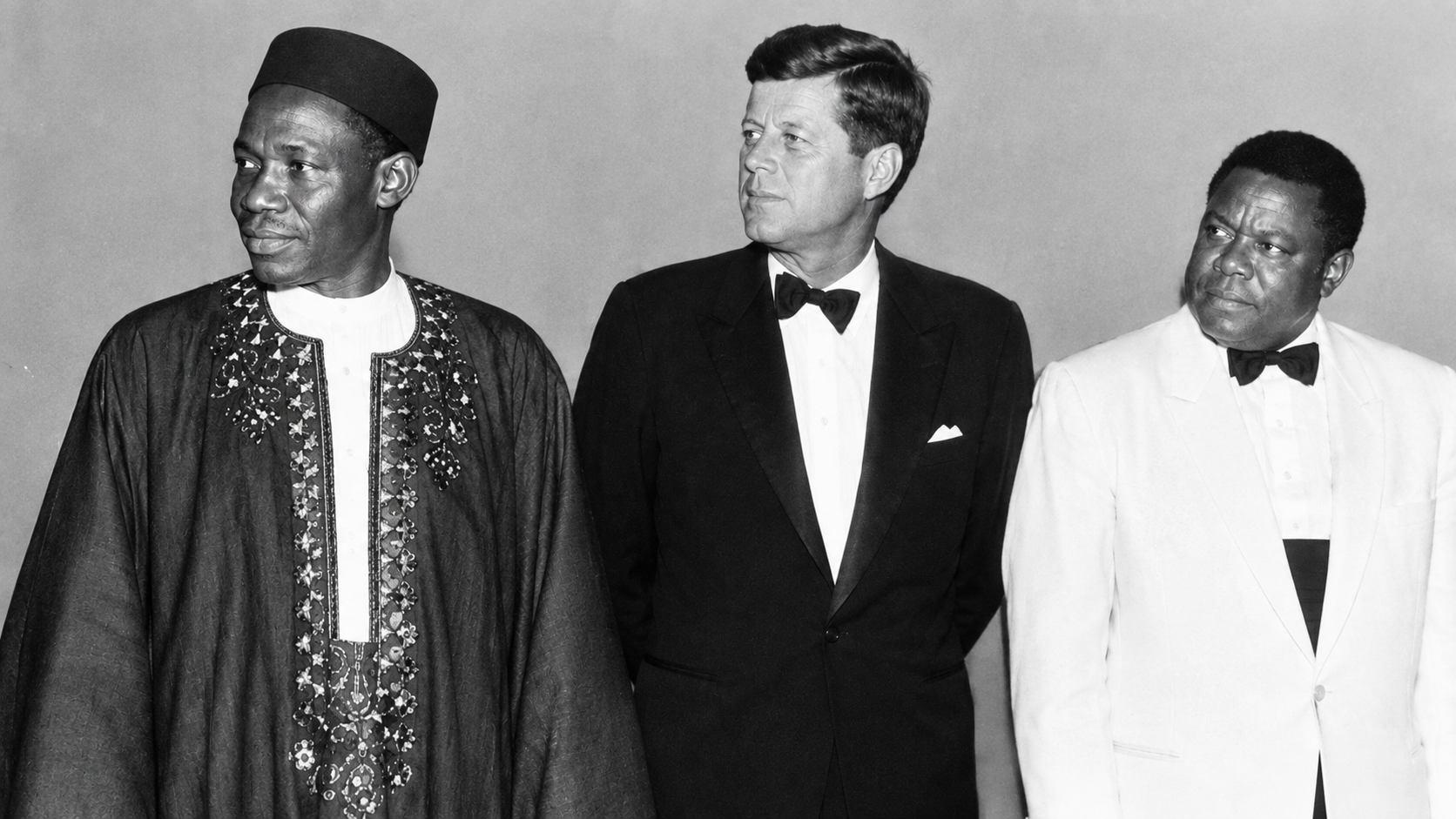
Palmer's appointment on September 23 did not mean he immediately became fully accredited to the Nigerian government.
That happened on October 4, when he presented his letter of credence. The three dates give the story its unusual sequence: Palmer was appointed on September 23, Nigeria became independent on October 1, and he formally presented his credentials three days later.
Palmer remained in Nigeria through the country's first years of independence. When Nigeria became a republic in 1963, he wasre-accredited and presented new credentials on December 12 that year. He left the post in January 1964.

His appointment therefore fell within one of the most important weeks in Nigeria's diplomatic history.
The country was still eight days away from independence, but the formal relationship with one of its future diplomatic partners was already being put in place.