CBN Cuts MPR to 23%. What Does Cheaper Money Actually Mean for Nigerians?
The CBN has cut its MPR to 23%. Here is what cheaper money could mean for Nigerian borrowers, savers, businesses, inflation, and the naira.
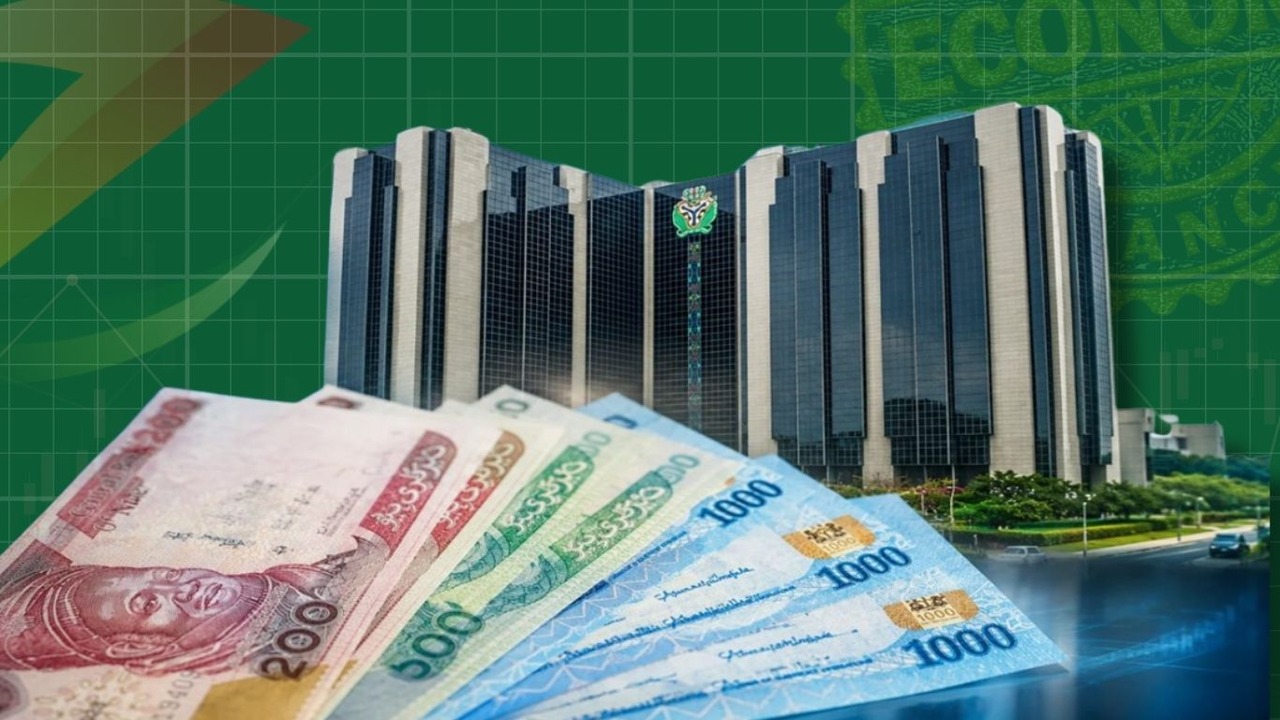
The Central Bank of Nigeria (CBN) has cut its benchmark interest rate, and the announcement may sound like something designed for economists sitting in rooms with very serious faces.
But the number eventually finds its way to ordinary life: what a bank charges to lend you money, what your savings can earn, and how expensive it is for a business to borrow enough money to stay alive.
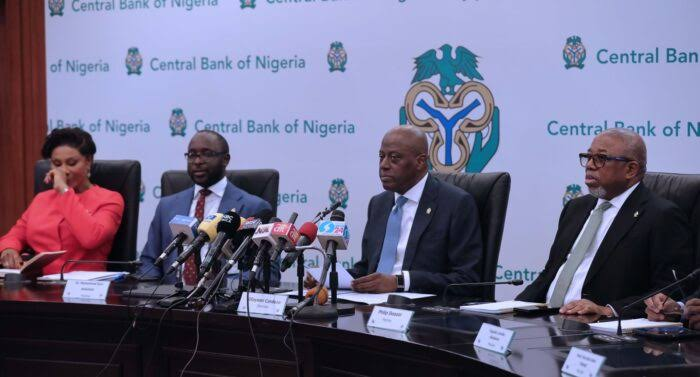
On September 22, the CBN cut the Monetary Policy Rate (MPR) from 26.5% to 23%, a 350-basis-point reduction at its 307th Monetary Policy Committee meeting. It is the lowest MPR since February 2024, when the CBN had only just begun a dramatic tightening cycle.
So why cut now? And more importantly, does 23% actually mean cheaper money for Nigerians?
Nigeria Is Finally Moving the Other Way
The timing matters. To understand where we are now, it is important to go back and follow the timeline of how these numbers got here.
In February 2024, the MPR was 22.75%. By March, it had risen to 24.75%; by May, 26.25%; and by July, 26.75%. It reached 27.50% in September 2024 and remained there through most of 2025 before being trimmed to 27% in November. In February 2026, the CBN reduced it to 26.5% and held it there through May and July.
The pattern was clear: the CBN was willing to make money expensive because inflation was the bigger problem. The argument was that tighter monetary policy could help slow demand, anchor inflation expectations, and support financial stability. The new move suggests the bank now believes there is enough room to ease without immediately abandoning that stability.
That matters because monetary policy is always a balancing act. Push rates too high for too long and borrowing becomes painful, investment slows, and businesses struggle to expand. Cut too quickly, and you can put pressure on prices, the naira, or financial stability.
The CBN is therefore not simply saying, “Money is cheaper now.” It is saying, “We think the economy can handle a little more breathing room.”
But Your Loan Is Not Automatically Getting Cheaper
This is where Nigerians should resist celebrating too early.
The MPR is a benchmark, not the interest rate printed on your loan agreement. Banks still consider their funding costs, the borrower’s risk, operating costs, and the type of credit involved.
So if you already have a loan, do not expect your bank to call tomorrow morning and announce a surprise reduction. Wouldn’t that be lovely?
For businesses, however, the context matters. Lower benchmark rates can eventually reduce funding costs and make it easier to finance inventory, equipment, expansion or working capital. For households, cheaper credit could improve access to mortgages, consumer loans and other forms of borrowing, although the effect will depend on how quickly banks pass the easing through.
Savings are the other side of the story.
When market rates fall, banks and fixed-income investments can eventually offer lower returns. The person borrowing may celebrate while the person carefully saving may quietly ask, “So what exactly is my reward for being responsible?”
This is why the rate cut should not be described simply as good news. It redistributes incentives across the economy.
The CBN has also kept the Cash Reserve Requirement at 45% for deposit money banks and 16% for merchant banks. In simple terms, banks must still keep a significant share of qualifying deposits with the CBN rather than lend all of it out.
That tells us something important: the CBN wants to ease the price of money without throwing open the liquidity gates.
What Does Nigeria’s 23% Say About the Economy?

Look outside Nigeria, and the contrast becomes interesting.

The Bank of England held its Bank Rate at 3.75% in September, while three members wanted a 4% increase as UK inflation remained above target. The US Federal Reserve also raised its benchmark range to 3.75%–4% in September, its first increase since 2023, citing persistent inflation.
Nigeria, meanwhile, is cutting.
That does not mean Nigeria has suddenly solved inflation or that the CBN is pursuing the same economic conditions as Washington or London. It’s simply a comparison between Nigeria and other global economies to see whether there are trends worth understanding, questioning, and learning from through the appropriate channels.
It simply means central banks are responding to different combinations of inflation, growth, currency conditions, and financial risks.
Nigeria’s own rate journey shows why context matters. In 2024, the CBN was fighting inflation aggressively. Now it is trying to create more room for growth while keeping the gains from that fight intact.
The real test will not be the headline number.
It will be whether businesses actually obtain cheaper credit, whether households feel less pressure from borrowing costs, whether savings returns remain meaningful, and whether lower rates encourage productive investment rather than simply more spending.
There is also a bigger question worth asking: if the CBN keeps cutting, what happens to the naira and inflation if domestic demand rises faster than the economy’s ability to produce goods and services?
And what happens if banks do not transmit the reduction?
Because there is a difference between lowering the price of money at the central bank and making money genuinely cheaper on the street.
For Nigerians, 23% is a signal. It says the era of relentless rate increases may be giving way to something more balanced.
But the economy does not live inside the CBN’s announcement.
It lives in the loan officer’s decision, the entrepreneur’s cash flow, the saver’s interest statement, and the price Nigerians pay every day.
That is where this rate cut will eventually have to prove itself.