On This Day in 1987, Akwa Ibom and Katsina Became States in Nigeria
On September 23, 1987, Akwa Ibom and Katsina became states after being carved out of Cross River and Kaduna, respectively, under Ibrahim Babangida’s military government, taking Nigeria from 19 states to 21.
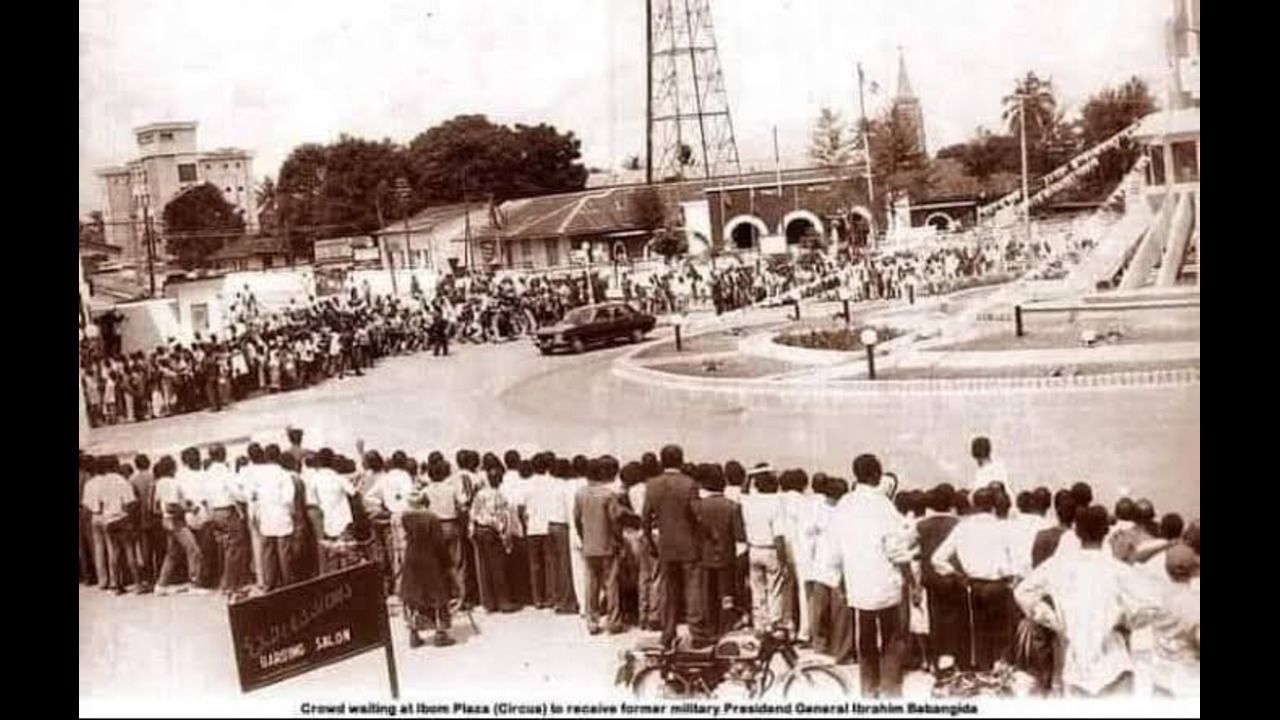
For years, communities in two very different parts of Nigeria had been asking for new states. In the south, the demand was for Akwa Ibom to be separated from Cross River. In the north, there was a similar campaign for Katsina to be separated from Kaduna.
Under the military government ofIbrahim Babangida, both demands were settled in 1987. On September 23, the government announced the creation of the two states, increasing Nigeria's 19 states to 21. Akwa Ibom was carved out of Cross River, while Katsina was created from Kaduna.
The histories behind the two campaigns were different.
Akwa Ibom Was Still Part of Cross River

Before Akwa Ibom became a state, its territory was part ofCross River State, which had itself been created in 1967 as South-Eastern State before taking the Cross River name in 1976.
The demand for a separate state continued through the 1970s and into the Second Republic, when state creation became part of wider arguments over political representation and the organisation of Nigeria's federation.
After the military returned to power in 1983, the issue remained on the political agenda. In 1986, Babangida established aPolitical Bureau to gather views on the country's political future. Its work attracted memoranda on several issues, including demands for new states.
Akwa Ibom's proposal was considered alongside those wider demands before the government reorganised the federation in 1987.
Katsina Had Been Inside Several Larger Regions
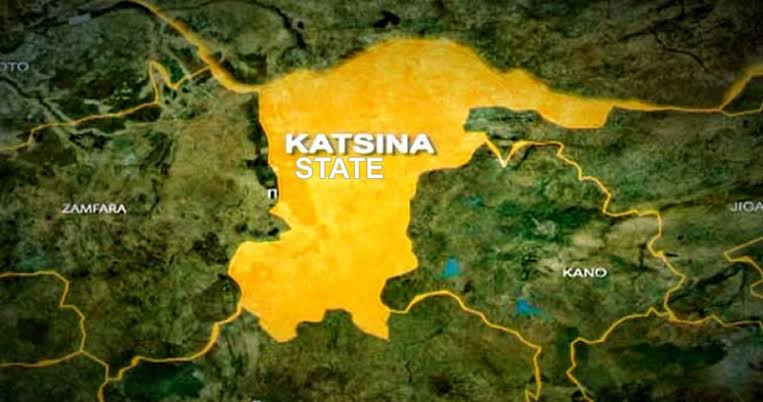
Katsina's story stretches further back. Katsina and Daura were established centres of political power long before modern Nigerian state boundaries were drawn. Under colonial rule, the two areas formed part of Katsina Province, and later constitutional changes placed the territory within different larger administrative units.
When Nigeria created 12 states in 1967, Katsina became part of North Central State. The 1976 reorganisation placed it insideKaduna State as the country moved to a 19-state structure.
The campaign for a separate Katsina State continued through these changes. By the 1980s, it was an established proposal in the debate over another reorganisation of Nigeria.
Babangida Split Kaduna and Cross River
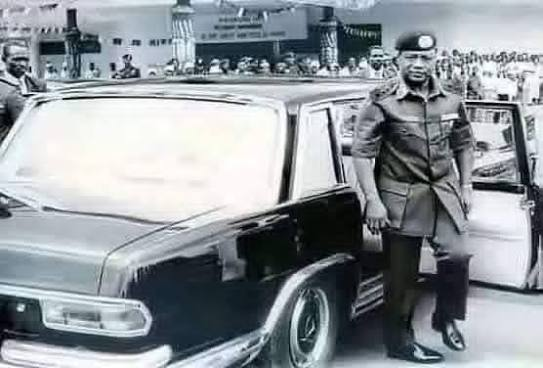
On September 23, 1987, Babangida announced the creation of Katsina and Akwa Ibom.
The legal framework was theStates (Creation and Transitional Provisions) Act 1987. It specified the local government areas that would make up the two new states, transferring areas from Kaduna to Katsina and from Cross River to Akwa Ibom. Katsina became the capital of Katsina State, while Uyo became the capital of Akwa Ibom.
The decree also gave the government's own explanation for the decision. It described the creation of the states as politically expedient in the interest of peace and harmony among the people of Nigeria.
The new arrangement gave the affected territories separate state administrations, with their own capitals and institutions.
Uyo and Katsina Had to Build New Governments
In Katsina,Colonel Abdullahi Sarki Mukhtar became the first military administrator. One of his immediate tasks was establishing the machinery of aPOL,OK65 government that had previously been handled from Kaduna. Within days, arrangements were already being made for the new administration.
Akwa Ibom faced a similar institutional task around its new capital, Uyo. The state's judiciary provides one clear example of how quickly those structures were put in place.

TheAkwa Ibom State Judiciary came into existence with the state and initially had seven judicial divisions, 10 magisterial districts and 94 district courts. Ten High Court judges were appointed, with Justice Mbatidiong Udofia Usoro serving as the pioneer Chief Judge.
Akwa Ibom and Katsina have since developed into established states within Nigeria's federation. Their creation came after years of arguments over administration, representation and the boundaries of existing states, bringing two separate campaigns to the same decision in 1987.