Airtel Money Has 56 Million Customers Across Africa. Why Is It Going to London for Its IPO?
Airtel Money serves 56 million African customers but is choosing London for its $8–9 billion IPO, highlighting Africa's stock-market liquidity and capital challenges.
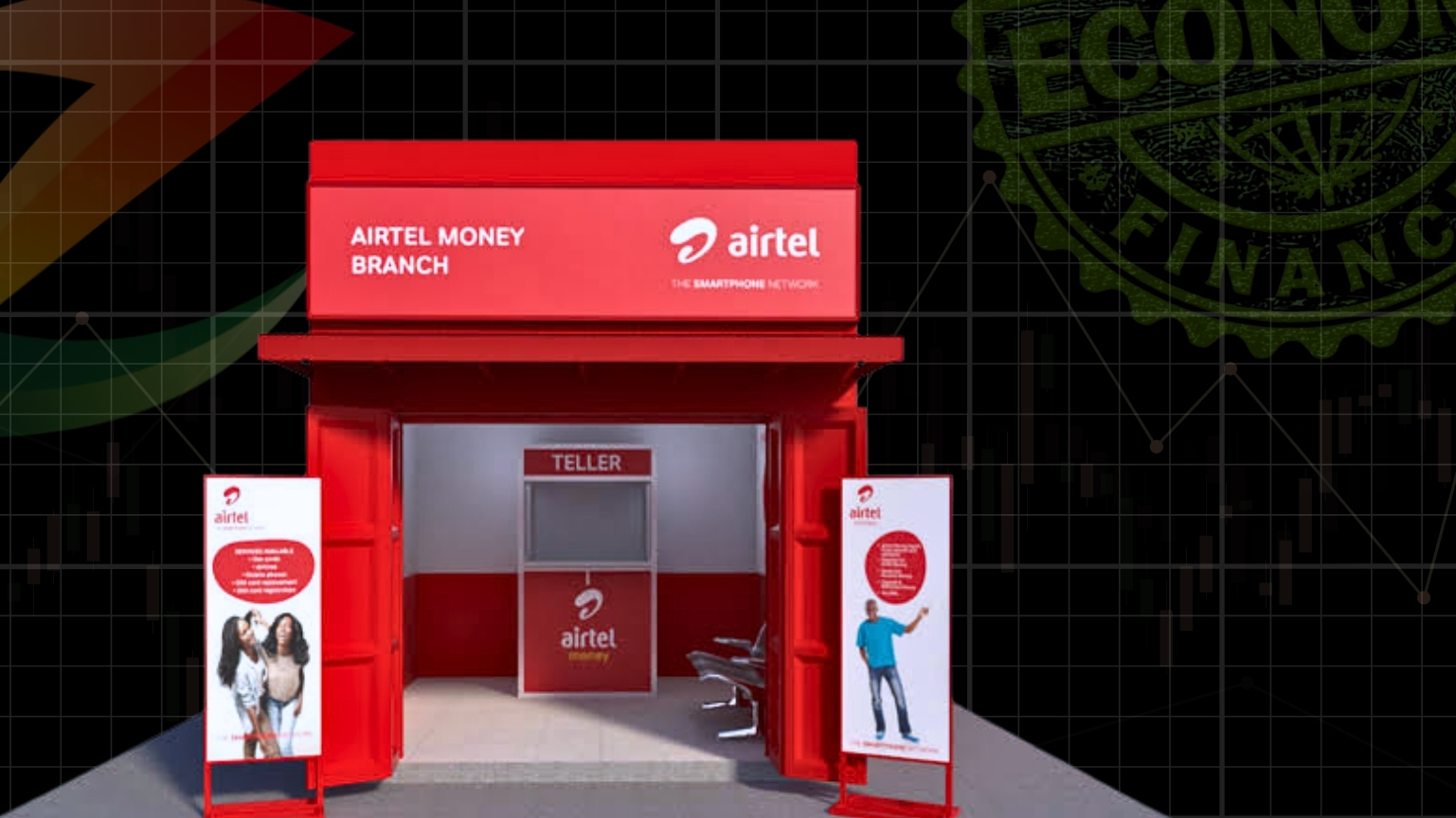
Airtel Money is filing paperwork for a London Stock Exchange listing and targeting a valuation of $8 billion to $9 billion, looking to raise at least $800 million.
That figure is a downstep from the $1.5 billion to $2 billion the mobile money unit was reportedly hoping for earlier in 2026, and a sign of how cautious investors have become even toward one of Africa's fastest-growing fintech businesses.
Airtel Money's Growth Numbers Explain the IPO Hype
Airtel Money serves more than 56 million active customers across 14 sub-Saharan African markets. Its base grew over 20 percent in a year.
Quarterly transaction value has climbed past $61 billion, and annualized transaction volumes now exceed $215 billion.
Revenue growth has stayed in the mid-20 percent range on a constant-currency basis.
These numbers are what would normally make an African exchange fight to keep the listing at home. Instead, Airtel Africa picked London back in July, with trading expected around October.
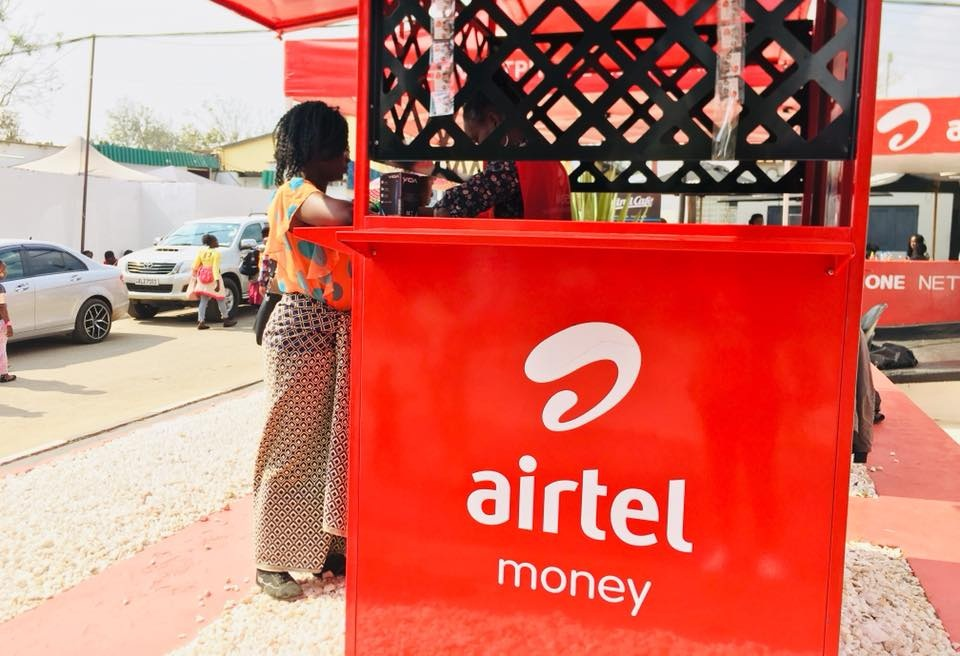
Why Not Nairobi, Lusaka, Kampala, or Lilongwe
Kenya, Tanzania, Uganda, Zambia, Malawi, and Rwanda are among Airtel Money's biggest markets by user numbers, yet none of their stock exchanges were seriously in the running.
The Nairobi Securities Exchange is the most liquid of the group, but it is still dominated by a handful of counters, with telecom and banking stocks making up the bulk of trading activity.
Smaller bourses in Lusaka, Kampala, Lilongwe, and Kigali have thinner trading volumes, fewer institutional buyers, and limited capacity to absorb a raise in the hundreds of millions of dollars, let alone close to a billion.
A company chasing a global valuation multiple needs a market that can actually trade at that scale, and most African exchanges were not built for that kind of volume.

Africa's Liquidity Problem Is the Real Story
The deeper issue is structural. African stock exchanges have faced years of IPO droughts and rising delistings, with capital markets outside the continent's largest hubs failing to grow into the investment engines they were meant to be.
Liquidity is thin because a small number of large institutional investors dominate trading and tend to buy and hold rather than trade actively.
Stock concentration compounds the problem. In some markets, one or two companies account for the majority of total market value and leaves little diversification for investors weighing where to put money.
Without deep, liquid secondary markets, a newly listed stock can struggle to find a fair price even after a successful IPO, which discourages companies from listing locally in the first place.

London Offers Capital African Markets Cannot Match
Airtel Africa has already traded on the London Stock Exchange since 2019 and this gives Airtel Money a built-in relationship with international investors before its own separate listing.
Company leadership has pointed to access to a broad, deep pool of global institutional capital as the central reason for choosing London over any African alternative.
Splitting Airtel Money from the wider telecom business also lets investors value the fintech arm on its own terms, instead of just folding it into a conglomerate discount that often weighs down diversified telecom groups.
A standalone listing in a market with established fintech comparables makes it easier to price the business closer to what its growth actually justifies.
Airtel Money Is Following a Familiar Playbook
This is not a novel pattern for African tech and fintech companies chasing scale.
Jumia listed on the New York Stock Exchange in 2019 rather than any African stock market. Interswitch chose London the same year for similar reasons.
Flutterwave's own IPO speculation has repeatedly centered on New York and London, notably skipping Lagos despite being a Nigerian company at its core.
In each case, the lore has been African exchanges simply do not offer the depth of investor demand or the trading volume that a company hoping to raise significant capital and maintain a liquid share price after listing actually needs.
What Airtel Money's London Bet Means for African Fintech
There are efforts underway to change this. The African Exchanges Linkage Project, backed by the African Securities Exchanges Association and the African Development Bank, is working to connect major stock markets across Nigeria, Kenya, South Africa, Morocco, and Egypt so investors in one market can more easily buy securities listed in another.
A parallel push in East Africa aims to unify trading and clearing across the region's capital markets. But those projects are still developing, and Airtel Money's IPO timeline could not wait for them to mature.
For now, the pattern remains in place. The businesses generating the most value on the African continent, including one built almost entirely on African mobile money users, still have to leave the continent to raise the capital that reflects that value.
Airtel Money's London debut is a reflection of how far those markets still have to go before they can host a listing of this size on their own terms.