Deadly Cholera Outbreak Rocks Sudan: WHO Flags West Kordofan as New Hotspot
A severe cholera outbreak in Sudan's West Kordofan has claimed at least 10 lives and infected over 40 people in El Idai, with warnings of escalating cases due to conflict and lack of medical aid. The Kordofan Human Rights Observatory describes the situation as catastrophic, while the WHO labels Kordofan a new hotspot and launches extensive vaccination campaigns.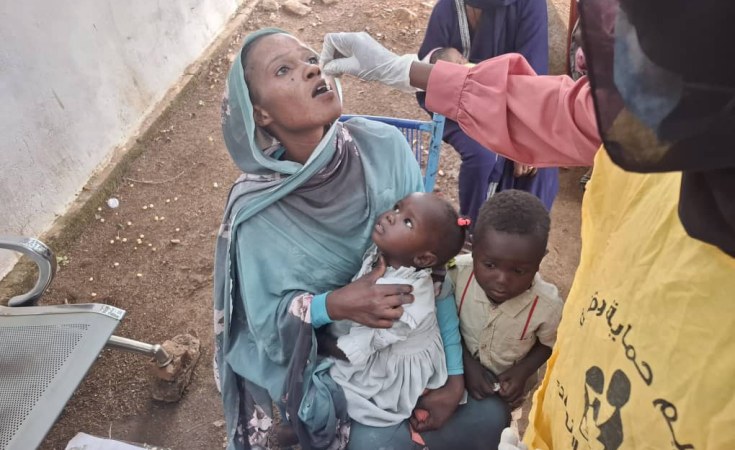
A severe cholera outbreak in Sudan's West Kordofan has resulted in at least 10 fatalities and over 40 infections, according to the Kordofan Human Rights Observatory. These cases were specifically recorded over Sunday and Monday in the El Idai locality. The World Health Organization (WHO) has identified Kordofan as "the latest outbreak hotspot," reporting more than 2,600 cholera cases across various Sudanese states by early August.
Mortada Ahmed, a spokesperson for the Kordofan Human Rights Observatory, informed Radio Dabanga that cholera is rapidly spreading in El Idai, and the number of cases and deaths is anticipated to escalate further. He emphasized a severe scarcity of essential medicines and life-saving medical supplies in the area, particularly intravenous fluids and crucial drugs for treating infected patients. The ongoing conflict between the Sudanese army and the Rapid Support Forces (RSF) has effectively cut off large sections of West Kordofan, impeding the delivery of vital medical aid, medicines, and food to civilians.
Ahmed also highlighted the environmental factors exacerbating the crisis, noting that the rainy season, coupled with an increase in mosquitoes and flies and the presence of stagnant water, contributes significantly to health risks and the further spread of cholera. He issued an urgent appeal to local, regional, and international humanitarian organizations to exert substantial pressure on the warring factions to establish safe humanitarian corridors. This would ensure that medicines and food can reach the most affected areas, particularly those experiencing active outbreaks. He described the situation as "catastrophic and requiring urgent intervention," cautioning that any delay in humanitarian and health responses would inevitably lead to more infections and deaths.
In a statement released on Tuesday, the Kordofan Human Rights Observatory confirmed the spread of cholera to Um Jak, Hameer, Um Raqil, and Shaq El Kidad within El Idai locality. The statement reiterated the nearly complete absence of healthcare services and life-saving medicines, including intravenous fluids essential for treating acute watery diarrhoea. It also stressed that humanitarian assistance remains severely limited due to the ongoing conflict and difficulties in accessing the affected regions. The observatory reiterated its call for immediate humanitarian intervention to save lives and for pressure on the warring parties to open humanitarian routes into Kordofan, urging them not to weaponize food and medicines.
In response to the escalating crisis, the WHO has announced a campaign to vaccinate 928,000 individuals against cholera in West Darfur and West Kordofan. In West Kordofan, this vaccination effort is being conducted in the localities of El Nahud, Dibanda, and the state capital, El Fula. Preventive vaccination campaigns are also being initiated in Kass, South Darfur, and Tawila, North Darfur. UN spokesperson Stéphane Dujarric stated that the United Nations and its partners are intensifying their efforts to combat cholera, with health workers actively providing treatment, conducting vaccination campaigns, and distributing essential medical supplies.