Crisis in Somalia: African Union Rushes to Respond After US Halts Army Funding
The African Union held an emergency meeting after the United States announced it would cut funding for its military mission in Somalia, AUSSOM, by year-end. Washington cited a lack of progress against Al-Shabaab and the Somali government's failure in security reforms. This critical funding withdrawal is expected to severely impact the mission's ability to combat the persistent insurgency and stabilize the deeply fragmented nation.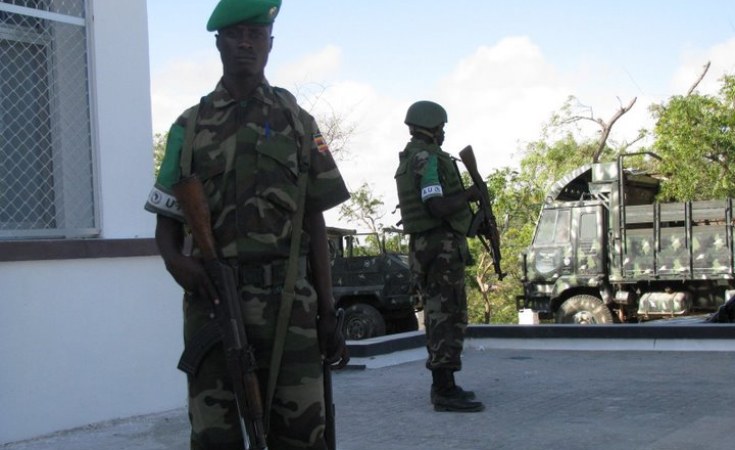
The African Union convened an emergency meeting on Friday to address the critical future of its military mission in Somalia, known as the African Union Support and Stabilization Mission in Somalia (AUSSOM). This urgent gathering followed a stark announcement from Washington, which declared its intention to cease crucial funding for the mission by the end of the year, citing a persistent lack of progress against Islamist insurgents.
Somalia has been embroiled in a protracted conflict with the Al-Shabaab insurgency for approximately two decades, yet the Islamist group continues to exert control over substantial territories within the country. AUSSOM, comprising roughly 12,000 troops, serves as the primary force supporting the Somali national army in its efforts to combat Al-Shabaab and stabilize the region.
In a letter dated July 1, the United States informed the AU that it would terminate payments to the UN Support Office in Somalia (UNSOS) at the close of the current year. UNSOS is instrumental in providing the bulk of the funding that sustains AUSSOM's operations. A senior African diplomat, speaking anonymously due to not being authorized to comment publicly, confirmed the irreversible nature of Washington's decision, explicitly stating that without UN logistics, which have historically been funded by the US, the mission in Somalia is effectively "finished." Furthermore, the US indicated its intent to block any future UN logistical support for AUSSOM at the Security Council.
The United States has historically been a significant financial contributor to stability efforts in Somalia. Since 2007, it has provided nearly $2 billion to UN missions in Somalia and over $1.6 billion to African troops deployed there. Additionally, hundreds of millions have been directed to Somali security forces, alongside billions more in humanitarian and development assistance.
Washington's decision was underpinned by strong criticism of the Somali government. The letter accused the government of failing to "sustain progress against al-Shabaab, take ownership of its security functions, or undertake serious security sector reform." Requests for comment from both the AU and the Somali government received no immediate response.
Adding to the complexity of the security situation, Somalia is currently grappling with deep internal fragmentation and an ongoing political crisis. Earlier this year, President Hassan Sheikh Mohamud oversaw constitutional changes that extended his term by a year after its initial expiration on May 15. These changes were met with fierce rejection from opposition parties and regional governments, precipitating violent clashes in various parts of the country, including the capital, Mogadishu.
While President Mohamud had achieved notable progress against Al-Shabaab with a successful large-scale offensive after assuming office in 2022, much of these gains have subsequently been reversed. The insurgency has regained and maintained control over significant swathes of central and southern Somalia, highlighting the fragile security landscape.
Analysts express grave concerns regarding the implications of the funding cut and the domestic instability. Zekarias Beshah, an analyst with the Amani Africa think-tank in Ethiopia, commented on the situation: "Somalia forces were supposed to gradually take responsibility for security, but it's not happening. The political elite is too busy infighting." Beshah warned of potential repercussions, stating, "One cannot rule out a major advance by Al-Shabaab," underscoring the severe risks posed by the withdrawal of critical international support and the ongoing internal political turmoil.