Meta's Child Safety Lawsuit: Why African Parents Should Pay Attention
Meta's child safety lawsuit raises urgent questions for African parents about social media, child data, online predators and the risks facing young users.

Twenty-nine US states are suing Meta in a federal court in Oakland, California, accusing the company of designing Facebook and Instagram to keep children hooked while knowing the psychological cost.
The trial, which opened this week, has been described as the biggest legal test yet of social media's effect on young users.
Meta denies the allegations. However, there is a former employee who testified to jurors the company operated a "don't ask, don't tell" approach to children under 13 on its platforms; basically, the company prioritised growth over safety when rolling out features like Reels.
This case is unfolding in a courtroom in an American city, but its findings should matter deeply to African households, especially as smartphone access among teenagers is rising fast with no equal rise in digital literacy among parents.

What the Meta Lawsuit Is Actually About
The states leading the case, including California, Colorado, Kentucky, and New Jersey, argue that Meta built Facebook and Instagram with design features engineered to maximise engagement among minors, even though internal research has reportedly linked heavy use to anxiety, depression, and suicidal ideation.
All 29 states also accuse Meta of unlawfully collecting children's personal data. Meta's lawyers argue the company has invested in safety tools and that the states are misrepresenting internal communications.
The trial is expected to run for six weeks, with Mark Zuckerberg and Instagram CEO, Adam Mosseri, expected to testify.
Whatever the verdict is, the lawsuit has already forced a public conversation with a question about if these platforms were built to serve children, or just to keep them scrolling?
How Social Media Shapes a Developing Mind
Adolescence is a period of rapid brain development, particularly in the areas responsible for impulse control, emotional regulation and self-esteem. Features like infinite scroll, algorithmic recommendation, and public like-counts exploit exactly these vulnerabilities.
A child's brain is still learning to delay gratification and apps engineered around variable rewards make that skill harder to build.
Excessive use has been associated with disrupted sleep, shortened attention spans, body image issues, and a warped sense of social comparison. For teenagers still forming their identity, a feed curated to maximise time-on-app can quietly reshape how they see themselves and their worth.
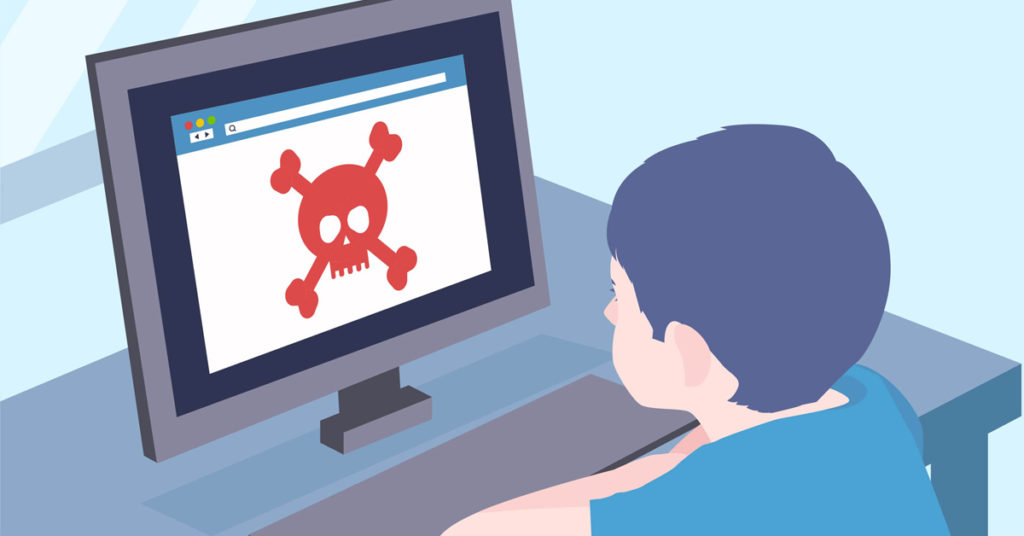
The Dark Side of Social Media Parents Often Miss
Latest Tech News
Decode Africa's Digital Transformation
From Startups to Fintech Hubs - We Cover It All.
Beyond mental health, social media platforms have become a hunting ground for predators, scammers, and traffickers who exploit the same features designed to keep users engaged. Direct messaging, disappearing content, and algorithmic discovery tools that connect strangers with shared interests have all been used to groom, blackmail, and exploit minors.
Cases of online grooming, sextortion, and child trafficking facilitated through social media have been documentedacross multiple countries, including several in Africa.
Perpetrators often build trust over weeks through private messages before coercing children into sharing explicit images or arranging in-person meetings.
Cyberbullying, another underreported harm, has driven teenagers into depression and, in tragic cases, suicide.
These are documented, recurring crimes, and platforms with billions of young users worldwide are the primary venue where they happen.

Why African Parents Should Care About This Case
It would be a mistake to see this as a distant American lawsuit. Meta's platforms are not calibrated differently for African users.
Instagram and Facebook run on the same engagement-driven algorithms everywhere. If internal design choices are found to have deliberately targeted the psychology of young users, African children using the same apps, often with even less parental supervision or digital safety infrastructure, are exposed to identical risks.
Several African countries also lackrobust child data protection enforcement, meaning the same data practices being scrutinised in US courts may be happening here with far less oversight.
Many African households still treat smartphone access as a status symbol or convenience rather than something requiring active guidance. This leaves children largely unsupervised on platforms built by some of the most sophisticated engagement systems in the world.

What Parents Can Do Now
Waiting for lawsuits or regulation to fix this is not a strategy. Practical steps matter more.
Parents should endeavour to set age-appropriate boundaries on when and how children access social media. They can use the built-in parental control features on Instagram and Facebook
Also, parents should strive to have more direct, non-judgmental conversations about online strangers and grooming tactics. Monitoring children for signs of withdrawal, anxiety, or secrecy around phone use is another step.
Lastly, social media literacy should be treated as seriously as formal education
Latest Tech News
Decode Africa's Digital Transformation
From Startups to Fintech Hubs - We Cover It All.
This trial may end in billions of dollars in penalties, or Meta may successfully defend its practices. Either outcome will shape how these platforms operate for children everywhere, including in Africa.
African parents who understand what is actually being alleged, and why it matters, are better positioned to protect their children today, regardless of how a California jury eventually rules.