A Million Views Can Make You Famous in Africa, Yet It Might Not Make You Rich. Why Is This So?
A million views sounds like a payday, but for many African creators, this isn't the case. So where does the money actually go?
Getting a million views on YouTube sounds like a serious payday.
For a creator, that number can represent weeks or months of writing, filming, editing, and promotion finally paying off. Then the money arrives, and the excitement can disappear very quickly.
For many African creators, particularly those whose audiences are concentrated in countries such as Nigeria, millions of views do not necessarily translate into millions of naira.
A video can attract millions of views, dominate social media conversations for days, and still earn less from advertising than another video with a similar number of viewers in the United States.
So what is going on?
YouTube, TikTok, Instagram, and Spotify are not simply assigning African creators a lower value. Their payment systems operate in advertising and subscription markets, where the amount of money available depends heavily onaudience location, advertiser spending, and the commercial value of those audiencesto businesses.
Two creators can therefore attract almost identical numbers of viewers and receive very different payouts.
Your Million Views Came From Somewhere. That Somewhere Affects the Money
Forget the number on the view counter for a moment and look at the people behind it.
Imagine two YouTubers each receiving one million views. Most of one creator’s audience is in Nigeria, while most of the other creator’s viewers are in the United States.
YouTube records one million views for each video, but advertisers may see two very different markets.
Google’s advertising system considers factors including a user’s location when determining bids and potential value. Advertisers can therefore place different economic values on reaching consumers in different markets.
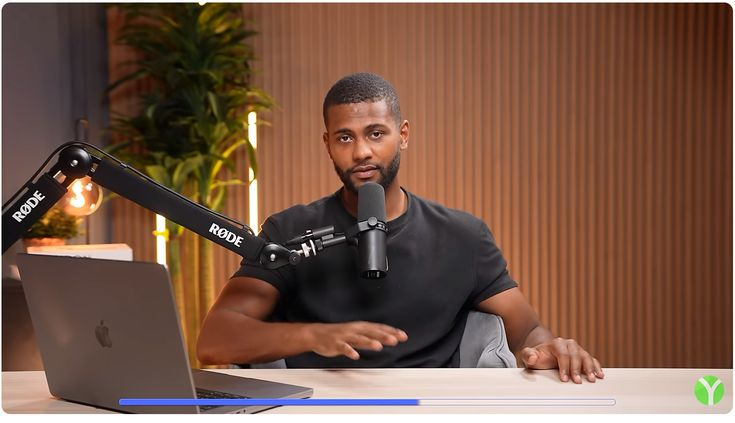
Damilola Ojumoola, an Ibadan-based YouTuber and founder of ETAVOD, said creators with large audiences in the United States and other wealthier markets can earn more because advertisers are generally prepared to spend more to reach consumers there.
Purchasing power plays a major role.
Businesses consider how much potential customers are likely to spend, how likely they are to buy and how valuable those customers could become.
When more advertisers are competing for the same audience, reaching that audience can become more expensive.
That does not mean one American view is automatically worth 20, 50 or 100 African views.
There is no fixed exchange rate for views.
Emem Adjah, who has worked in monetisation roles across companies including Google, YouTube, X and Snap, told Techpoint that purchasing power influences advertising prices, but several technical and commercial factors affect what advertisers eventually pay.
A viewer does not carry a fixed price because of their nationality. The advertising market around that viewer determines what advertisers are willing to spend.

Africa has millions of people watching digital content. The advertising budgets competing to reach those audiences, however, can be smaller than those available in wealthier markets.
Before YouTube Pays the Creator, Someone Has to Pay YouTube
A million views does not come with a fixed cheque attached.
Much of the money available to creators begins with companies paying platforms to put advertisements in front of potential customers.
If businesses are spending aggressively to reach a particular audience, more advertising money flows through that market.
If advertiser demand is weaker, there is less money available around those views.
One million views tells you how many times something was watched. It does not tell you how much advertisers paid to reach those viewers.
Digital platforms are also competing with television, outdoor advertising, radio and other established media for marketing budgets.
Adjah said large advertisers have spent decades buying television advertising and have established systems for measuring audiences and deciding what campaigns should cost.
YouTube, Instagram and TikTok have to persuade those same businesses that digital advertising can deliver the audiences and results they want.
Small and medium-sized businesses are also becoming important advertisers on platforms such as Instagram and TikTok, but their marketing budgets are often far smaller than those of multinational companies.
Creators ultimately earn inside that advertising environment.
Got Viewers in America? The Taxman May Still Take a Cut
An international audience can increase a creator’s earning potential, but it can also introduce another deduction.
Under Google’s US tax rules for YouTube creators, creators outside the United States may have between 0% and 30% withheld from earnings generated from US viewers, depending on their tax status and whether their country has an applicable tax treaty with the United States.
Nigeria does not currently appear on the IRS list of countries with US income-tax treaties.
Qualifying US-source earnings received by Nigerian creators can therefore face the 30% withholding rate.
A Nigerian creator may succeed in attracting American viewers and benefit from a stronger advertising market, only to have part of those US-generated earnings withheld before the money reaches their account.
The public sees the view count.
The creator sees what remains after revenue sharing, taxes and other deductions.
If Platform Payouts Are Small, Brands Offer Another Route
Dependence on platform advertising alone can leave creators vulnerable to factors they cannot control.
Brand partnerships offer another source of income.
Instead of waiting for advertising revenue generated around a video, a creator can negotiate directly with a company that wants access to their audience.
Nollywood provides a useful example.
When Omoni Oboli released Love in Every Word 2: The Wedding in 2025, the film featured brands including UBA, MTN, Coca-Cola, GIG Logistics, Vaseline and Close-Up, alongside several others.

Product placement was so prominent that it became part of the conversation surrounding the film.
For creators, the appeal of these deals is obvious.
A platform determines advertising revenue through its own system. A brand deal allows a creator or producer to negotiate a specific amount for sponsorship, product placement, promotion or campaign content.
The same Nigerian audience that generates relatively modest YouTube advertising revenue could be extremely valuable to a Nigerian bank, telecoms company, fashion business or consumer brand trying to reach young Nigerians.
A creator does not need the highest-paying advertising market to have a commercially valuable audience.
They need an audience that the right company wants to reach.
That is why brands increasingly look beyond raw follower and view counts. They want to know who is watching, where those people live, what interests them and whether the creator can influence their choices.
One Million Views Can Make You Viral. It Does Not Automatically Make You Profitable
Some African creators are deliberately building audiences across Nigeria, the UK, US, Canada and other markets so their income is not tied entirely to one advertising economy.
Others are moving beyond advertising altogether.
They are making money through sponsorships, products, memberships, events, consulting, merchandise and services built around the audiences they have created.
African creators have already proved they can command attention.
Musicians, filmmakers, comedians, commentators, educators and influencers from across the continent regularly reach audiences that would have been almost impossible to access through traditional media a generation ago.
But attention and income are not the same thing.
A creator in Lagos can reach someone in New York within seconds, while the advertising markets behind those two viewers can still be very different.
Going viral is one achievement, building a business from that attention is another.
For African creators chasing the next million views, the question is no longer only, “How many people watched?”
It is also: “Who watched, where are they, and how do I make that audience pay beyond the view counter?”