Congo's Ebola Crisis Deepens as Outbreak Worsens, Sparks Global Travel Warnings
The Democratic Republic of Congo is battling a severe Ebola outbreak of the Bundibugyo strain, with nearly 600 confirmed cases amidst challenges like public mistrust and equipment shortages. This crisis has led to international travel restrictions, including U.S. measures for World Cup attendees, as the Trump administration urges global action and funding to contain the virus.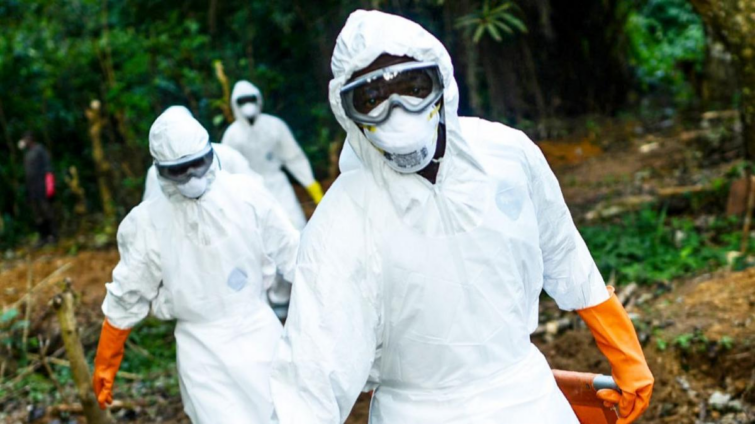
The Democratic Republic of Congo (DRC) is currently facing a significant Ebola outbreak of the Bundibugyo strain, with confirmed cases climbing to nearly 600. The government reported 598 confirmed cases, including 115 deaths, although 22 patients have successfully recovered from the disease. While the outbreak was officially announced on May 15, officials have since revealed it went undetected for several weeks, leaving health authorities struggling to bring it under control. This major outbreak is unfolding across three provinces long afflicted by armed conflict: Ituri, North Kivu, and South Kivu. Cases have been recorded in 17 health zones within Ituri, seven in North Kivu, and one in South Kivu, with no new cases having spread to additional health zones.
Response efforts on the ground are severely hampered by a combination of mistrust and resistance from the local population, with numerous reports of attacks on burial teams and treatment centers. Additionally, medics are struggling to secure essential basic equipment required to ensure their safety and prevent further transmission of the disease. In response, Congolese authorities have issued a public health warning, urging individuals experiencing symptoms such as fever, vomiting, diarrhoea, or severe weakness to seek immediate medical attention at the nearest health center. They also called upon populations to adhere strictly to health workers' instructions and refrain from attacking them. The International Rescue Committee aid group has appealed for urgent funding to contain the outbreak, particularly in Ituri province, before it spreads further.
The widespread nature of this Ebola outbreak has had significant international ramifications, particularly affecting travel arrangements for the upcoming FIFA World Cup. Public health concerns directly linked to the outbreak led to the relocation of the DR Congo national football team's World Cup warm-up friendly against Chile from Cadiz, Spain, to Orleans, France, where it was played behind closed doors. The U.S. has imposed strict entry requirements for the World Cup, stipulating that players and staff must have been outside the DRC for 21 days and be symptom-free before entering the country. The Congolese team is slated to travel to their tournament base in Houston, where they will open their Group K campaign against Portugal, followed by matches against Colombia in Guadalajara and Uzbekistan in Atlanta.
In a decisive move to curb the spread, the Trump administration has called upon European nations to implement similar travel restrictions to those imposed by Washington on individuals who have recently visited Central African countries affected by the outbreak. On June 1, the U.S. issued a formal diplomatic statement, or demarche, urging European countries to adopt these travel restrictions; however, EU states have not yet responded. Previously, the U.S. Centers for Disease Control and Prevention (CDC) issued an order barring non-citizens who had been in the Democratic Republic of Congo, Uganda, or South Sudan within the preceding 21 days from entering the U.S. American citizens returning from these areas are required to go through select airports for health screenings.
Secretary of State Marco Rubio has explicitly stated the administration's resolve to prevent Ebola from entering the U.S., emphasizing that efforts are focused on containing potentially exposed individuals overseas, even though the country possesses facilities equipped to treat Ebola cases while containing the virus's spread. A State Department official highlighted that these travel restrictions, combined with U.S. pledges of over $200 million and the delivery of 150 tons of medical supplies, demonstrate Washington's proactive measures, making it the largest financial contributor to the Ebola response. The World Health Organization (WHO) has declared the Bundibugyo strain outbreak an emergency of international concern.
The Trump administration has urged global solidarity, calling on