Debt Wars: Presidency Clashes with Obi Over Nigeria's Soaring Financial Burden
The Presidency has refuted claims by Peter Obi regarding the Tinubu administration's alleged N100 trillion debt accumulation, attributing the rise in Nigeria's debt profile primarily to naira devaluation and inherited Ways and Means debt. Presidential aide Dada Olusegun highlighted stable dollar-denominated debt and increased external reserves, while questioning Obi's assessment method.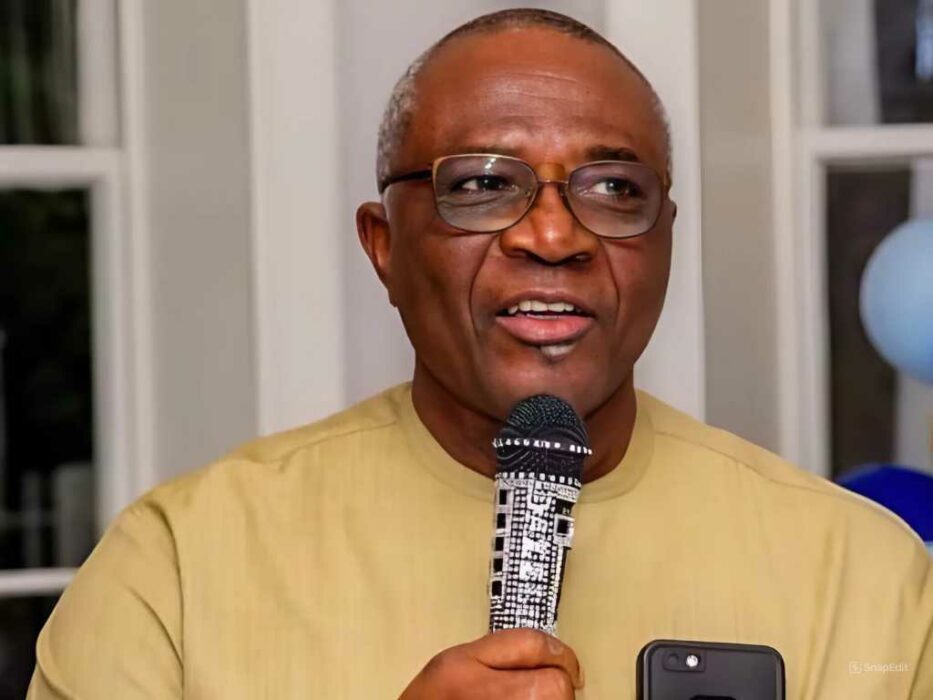
The Presidency has vehemently rejected assertions made by Peter Obi, the Nigeria Democratic Congress (NDC) presidential candidate, who alleged that the administration of President Bola Ahmed Tinubu had accumulated over N100 trillion in debt within a span of three years. Responding to these claims on Tuesday, Dada Olusegun, the President’s Special Assistant on Social Media, clarified that the observed rise in Nigeria’s debt profile was predominantly a consequence of the devaluation of the naira, rather than an outcome of new borrowing initiatives.
Olusegun elaborated that a significant portion of the reported increase in debt figures actually reflects the higher naira valuation of existing external debts. This revaluation, he explained, was triggered by necessary exchange rate adjustments, a policy approach that, ironically, Peter Obi himself had publicly endorsed during his presidential campaign. Furthermore, the presidential aide pointed out that the Tinubu administration had inherited a substantial N20 trillion in Ways and Means debt. This inherited debt was subsequently securitised to establish a structured repayment mechanism, thereby contributing significantly to the overall debt figures currently being cited.
Challenging the premise of Obi’s assessment, Olusegun underscored that Nigeria’s total public debt encompasses financial obligations accrued by state governments over time, emphasizing that these should not be exclusively attributed to the federal government's borrowing activities. He critically questioned Obi’s analytical framework, asking, "If the naira were fixed at N500 to the dollar and the naira value of our debt dropped sharply, would Obi then say the debts had been repaid?" This rhetorical question highlighted the significant impact of exchange rate movements on the naira-denominated value of external debt.
Providing further context, Olusegun maintained that Nigeria’s debt stock, when measured in dollar terms, has remained remarkably stable, experiencing only a marginal increase from approximately $108 billion in 2023 to $109 billion projected for 2026. In addition to this, he highlighted a notable improvement in the country’s external reserves, which he stated had grown substantially from about $3 billion in 2023 to an estimated $40 billion in 2026. This comprehensive response by the Presidency followed Peter Obi's earlier critique of the administration's fiscal management, wherein he had contended that Nigeria’s public debt had soared to around N200 trillion due to what he termed excessive borrowing and insufficient accountability.