Shell Is Going to Trial, But Who Is Going to Bring Back the Lives They "Drilled" Away?
For nearly seventy years, the Niger Delta powered Nigeria's economy and generated billions in oil wealth. Yet communities closest to the oil continue to battle pollution, contaminated water, failing livelihoods, and a public health crisis. As Shell faces a landmark trial in 2027, what are the human cost of Nigeria's petroleum prosperity?
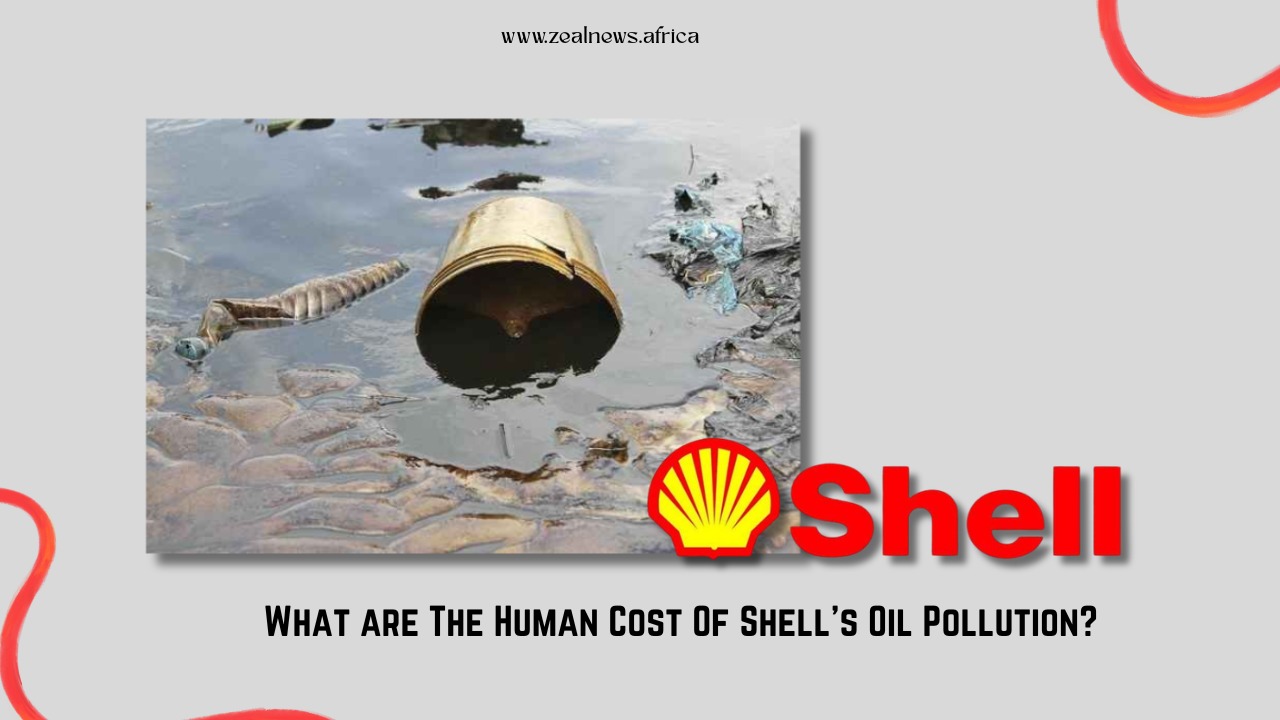
When crude oil was discovered in Oloibiri, present-day Bayelsa State, in January 1956, it was celebrated as the beginning of a new chapter in Nigeria's history. The discovery transformed a largely agrarian colony into what would eventually become Africa's largest oil-producing nation.
Politicians saw prosperity, foreign investors saw opportunity, and the governments saw revenue. Few people stopped to ask what the communities sitting directly above that oil would inherit in exchange.
Nearly seven decades later, that question remains unanswered.
The Niger Delta is one of the most resource-rich regions in the world. It has generated hundreds of billions of dollars in revenue, funded national budgets, sustained governments, financed infrastructure, and supplied crude oil to global markets.
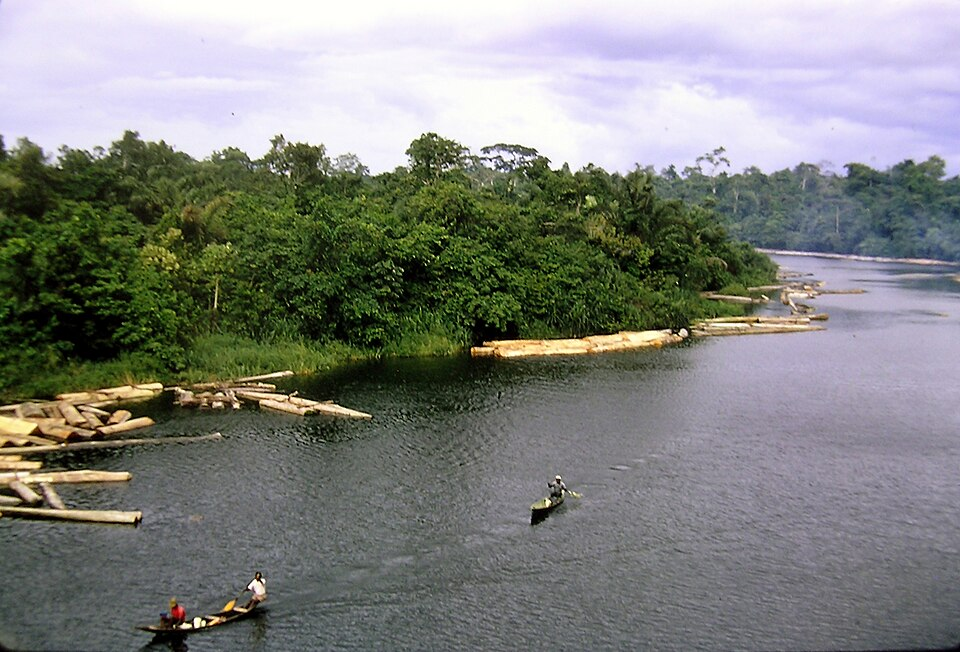
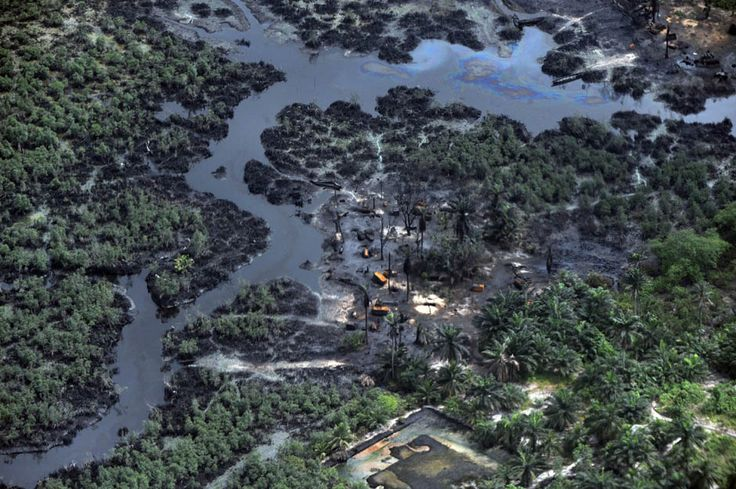
Yet it is also home to some of the most environmentally damaged communities on the African continent. In many parts of the Delta, residents continue to struggle with polluted rivers, degraded farmlands, contaminated groundwater, and economic conditions that bear little resemblance to the immense wealth extracted from beneath their feet.
As Shell prepares to face a major trial in London in March 2027 over decades of alleged environmental damage, public attention is understandably turning toward questions of liability and compensation. Yet the deeper story is not about a courtroom.
It is about how one of the most profitable industries in modern history transformed a region into the economic engine room of a nation while leaving many of its people trapped in conditions that suggest they never shared fully in the prosperity they helped create.
To understand the scale of that contradiction, it is necessary to revisit the origins of Nigeria's oil industry and the relationship between Shell and the Niger Delta. So brace up; this might be a long read.

Shell, Colonial Nigeria, and the Birth of an Oil Economy
Shell's connection to Nigeria predates independence itself. In 1937, the company, then operating as Shell D'Arcy, received an exploration licence covering virtually the entire country.
At the time, Nigeria was still under British colonial rule, and the search for petroleum was driven largely by strategic and economic interests rather than local development concerns.
For nearly two decades, exploration efforts yielded little success. Then, on January 15, 1956, Shell struck commercially viable oil in Oloibiri. Two years later, Nigeria exported its first shipment of crude oil. What followed was one of the most consequential economic transformations in African history.
By the 1970s, petroleum had overtaken agriculture as the backbone of Nigeria's economy. Oil revenues surged following the global energy crises of the decade, and successive governments increasingly structured the national economy around crude exports.
The Niger Delta became the centre of this new economic order. Pipelines stretched across wetlands and farmlands. Flow stations, export terminals, and processing facilities multiplied.
Communities that had historically depended on fishing and farming found themselves living amid one of the world's most intensive oil extraction zones.
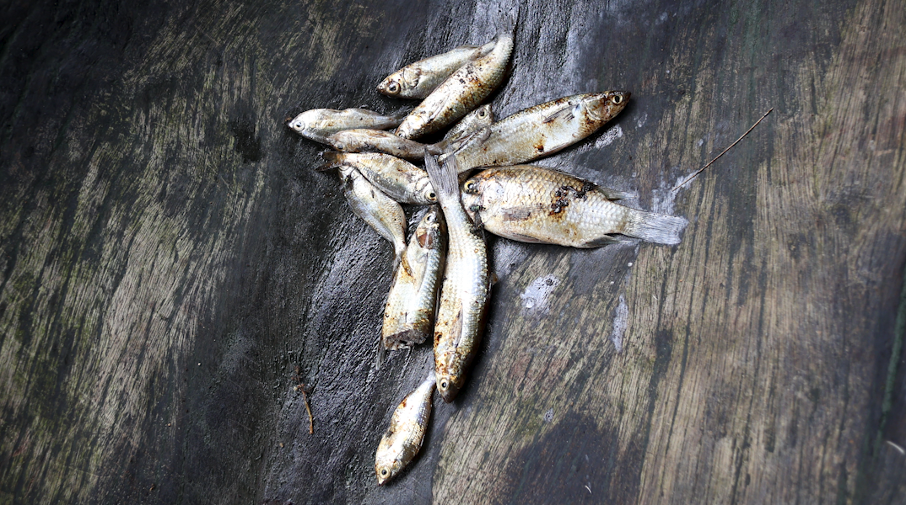
The relationship was unequal from the beginning. The legal frameworks governing mineral resources placed ownership of oil in the hands of the state, effectively removing control from local communities.
While crude oil generated immense national wealth, the environmental risks associated with extraction remained concentrated in the places where production occurred.
This dynamic created a paradox that continues to define the Niger Delta today. The closer a community was to the source of Nigeria's oil wealth, the more likely it was to bear the environmental consequences of producing it.
One of the Largest Environmental Disasters Most People Never Learned About
Environmental disasters are usually remembered because they happen suddenly. The Exxon Valdez spill in Alaska remains etched into public memory because it unfolded in a single catastrophic event. The Deepwater Horizon disaster became a global story because millions watched it happen in real time.
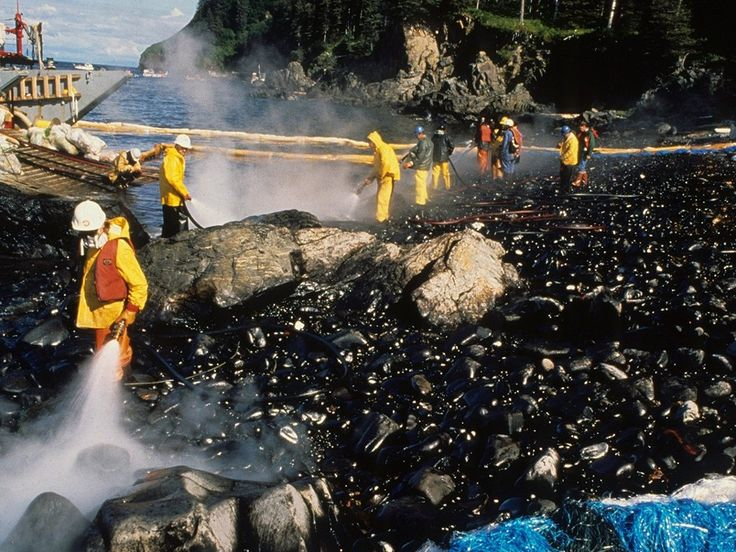
The Niger Delta experienced something fundamentally different.

Its disaster unfolded slowly, over decades, through thousands of individual incidents that rarely commanded international attention.
According to the Bayelsa State Oil and Environmental Commission, Bayelsa alone recorded 3,508 oil spill incidents between 2006 and 2020. That represents approximately one-quarter of all officially recorded spills in Nigeria during the period.
Yet even these figures may significantly underestimate the true scale of contamination. The Commission found discrepancies between various official databases and records maintained by different government agencies.
Some estimates suggest that if all incidents were accurately recorded, Bayelsa may have experienced the equivalent of an oil spill every twelve hours for more than a decade.
The implications are staggering.
Independent assessments have estimated that millions of barrels of crude oil have been spilled across the Niger Delta over the past half century. Some researchers argue that the cumulative volume rivals multiple Exxon Valdez-scale disasters.
The United Nations Environment Programme's landmark assessment of Ogoniland further illustrated the scale of the problem. UNEP investigators examined more than 200 locations and discovered extensive hydrocarbon contamination in soil and groundwater.
In one community, Nisisioken Ogale, benzene levels in drinking water were measured at more than 900 times the World Health Organization's recommended guideline.
The significance of that finding cannot be overstated. Benzene is a known carcinogen. It is associated with serious health risks, including blood disorders and cancer. Yet families in affected communities had been consuming water from contaminated sources for years.
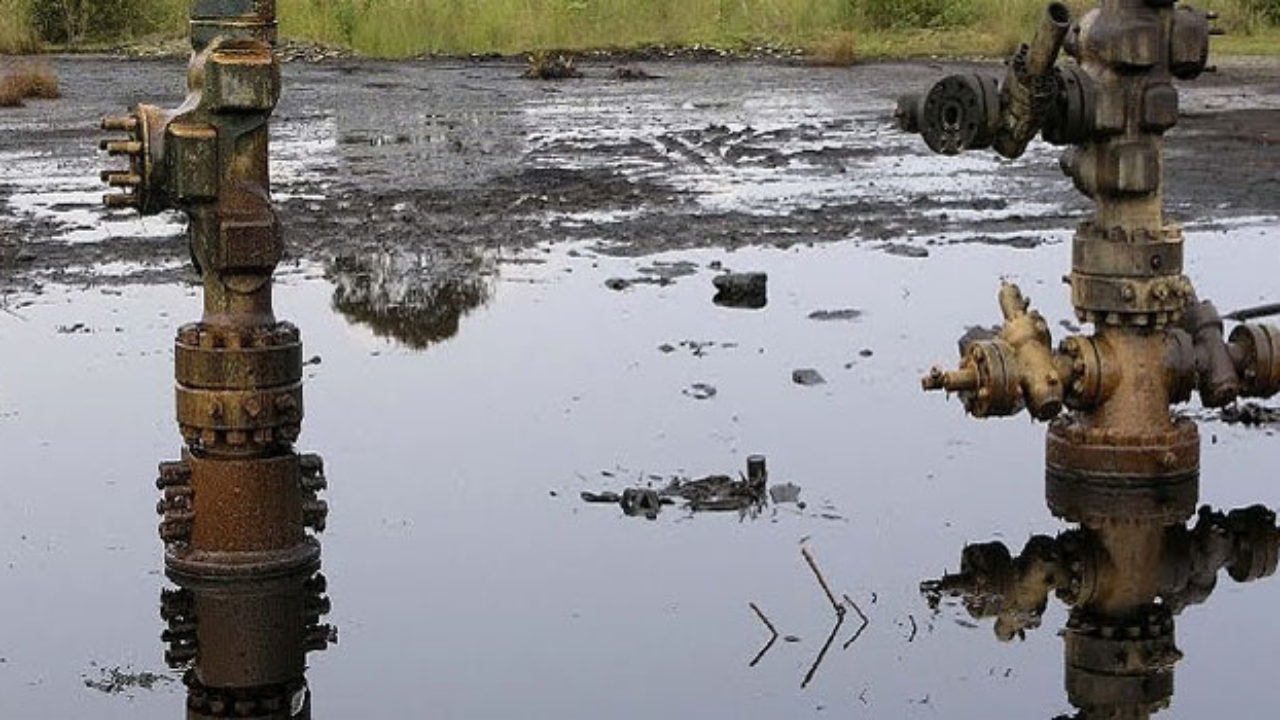
Environmental destruction in the Niger Delta extends beyond oil spills alone. Gas flaring has remained a persistent feature of the region's landscape for decades. According to World Bank data, Nigeria remains one of the world's largest gas-flaring nations.
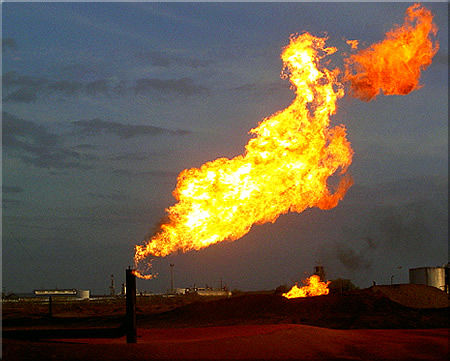
While many countries have invested heavily in infrastructure to capture and utilize associated gas, vast quantities continue to be burned in Nigeria, releasing pollutants into the atmosphere and contributing to climate change.
For communities living near flare sites, the issue is not merely environmental. It is deeply personal. Residents describe excessive heat, respiratory illnesses, black soot deposits, and concerns about long-term health impacts. The pollution enters daily life through the water people drink, the soil they cultivate, and the air they breathe.
What No Court Can Calculate
The challenge with measuring environmental damage is that the most devastating consequences often cannot be quantified easily.
A court can calculate compensation for damaged land.
It can estimate the value of lost crops. It can assign financial penalties.
What it struggles to calculate is what prolonged environmental degradation does to the fabric of human life.
Across the Niger Delta, stories emerge that rarely appear in annual reports or legal filings. Fishermen speak of rivers that no longer provide the catches they once depended on. Farmers describe declining harvests and contaminated soil.
Families spend scarce income purchasing drinking water despite living beside rivers and creeks. Entire communities have spent generations adapting to conditions that should never have become normal.
One of the most striking findings from community testimonies gathered by the Bayelsa Commission is not simply the prevalence of pollution but the degree to which people have internalized it.
Many residents have grown accustomed to oil-slicked waterways, recurring spills, and environmental degradation. Children are raised in landscapes where contamination is often viewed as an inevitable part of life rather than a preventable failure of governance and regulation.
This normalization may be the most profound consequence of all.
The upcoming trial involving Shell will focus on legal responsibility. It may establish liability. It may result in compensation. It may even become a landmark moment in environmental justice.
Yet there remains a question that no verdict can answer.
How does a society compensate communities that spent generations living with consequences they did not choose? How does it account for opportunities lost, livelihoods disrupted, ecosystems degraded, and futures altered by decades of contamination?
Conclusion
The story of the Niger Delta is often told as a story about oil.
In reality, it is a story about value.
It is a story about what societies choose to measure and what they choose to ignore. Oil production figures are measured. Export revenues are measured. Corporate profits are measured. Economic growth is measured.
The human cost is much harder to quantify.
As Shell prepares for trial in 2027, the legal arguments will focus on responsibility for pollution. But the larger historical question extends beyond any single company or lawsuit. It concerns a development model that generated extraordinary wealth while leaving many of the communities closest to that wealth grappling with environmental decline and economic hardship.
The Niger Delta helped build modern Nigeria. It powered economic growth, financed governments, and supplied energy to global markets. Yet after nearly seventy years of extraction, many residents still find themselves asking a question that cuts to the heart of the region's tragedy:
If this land created so much wealth, why do so many of its people continue to live with the consequences rather than the benefits?