Child Labour: When Did “Helping at Home” Become a Child’s Full-Time Job?
Millions of children should be in classrooms, but many are working just to survive. Why has this become so normal?

A child should be worrying about homework, cartoons, football or what to eat after school—not how much money they can make before sunset.
Yet across Africa and other parts of the world, children can be found selling goods on the streets, working on farms, carrying heavy loads, assisting in workshops, working as domestic help or doing other jobs that can interfere with their education and development.
And here is the uncomfortable part: sometimes we see it happening right in front of us and simply call it “normal.”
The latest estimates from the International Labour Organization (ILO) and UNICEF show that nearly 138 million children were engaged in child labour globally in 2024, including about 54 million in hazardous work. Although the numbers have fallen since 2020, the world still missed its 2025 target to eliminate child labour.
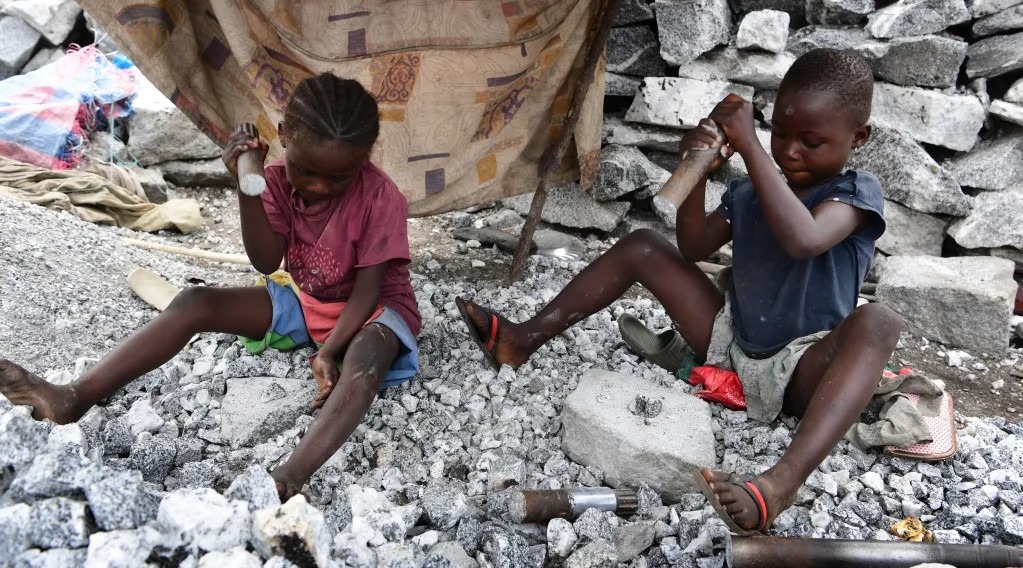
1. It Is Not Always Just a Child “Helping Out”
There is an important difference between a child helping with age-appropriate household responsibilities and being pushed into work that harms their health, development or education.
A child helping a parent with a small task at home is not automatically child labour. The problem begins when the work becomes excessive, dangerous or interferes with schooling and normal childhood development.
Think about a child who leaves home before school to sell goods, spends hours under the hot sun and returns home too tired to study.
Is that really just “helping the family”?
In many communities, child labour can be hidden behind everyday life. A child may be working on a family farm, assisting in a market, doing domestic work or helping in a family business without ever being formally described as an employee.
The ILO says around two-thirds of child labour occurs within the family context, making the problem much harder to see—and sometimes harder to challenge.
Agriculture is particularly important. Globally, about 61% of children in child labour aged 5-17 years have work in agriculture, including farming, fishing, forestry and livestock.
So the child carrying a basket at the market may only be the part we see. The bigger problem may be happening quietly at home.
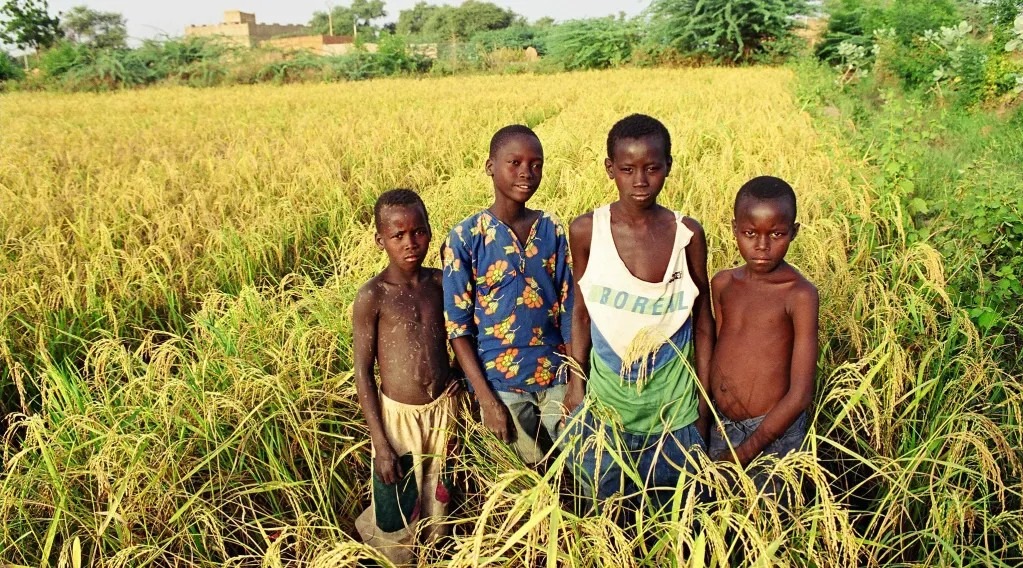
2. Poverty Can Turn Childhood Into Survival
Here is where the conversation becomes uncomfortable.
Most parents do not wake up and decide, “Today, I will send my child to work instead of school.”
For many families, the decision is connected to survival.
A parent loses a job. Food prices rise. Rent is due. School expenses become difficult to afford. A family business needs extra hands. Suddenly, a child's labour starts looking like an economic necessity.
The ILO identifies poverty as one of the major drivers of child labour, alongside limited access to quality education, social exclusion, displacement and other economic and social pressures.

But poverty does not make the consequences disappear.
A child who spends long hours working may have less time for school, rest, play and learning. Hazardous work can expose children to dangerous machinery, chemicals, heavy loads, extreme temperatures and other risks.
And the cycle can become difficult to escape: little education can mean fewer opportunities later, while limited opportunities can keep families trapped in poverty.
That is why simply telling parents, “Stop sending your children to work,” is not enough.
If the family has no income, what happens the next morning?

3. So How Do We Actually Stop It?
If the solution were simply to arrest every employer or punish every parent, child labour would probably have disappeared by now.
The problem requires more than punishment.
First, education has to be genuinely accessible and affordable. A child cannot remain in school if the family cannot afford basic costs or if the nearest quality school is difficult to reach.
Second, parents need better economic opportunities. Creating decent jobs, supporting small businesses, improving livelihoods and expanding social protection can reduce the pressure that pushes families to depend on children's earnings.
The ILO and UNICEF identify stronger social protection, quality education and decent work opportunities for adults as important parts of the response.
Third, laws need enforcement—not just existence on paper. Governments need effective labour inspections, child-protection systems and consequences for people who deliberately exploit children, particularly in hazardous industries.
Fourth, communities have a role to play.
If everyone knows that a child is being abused or forced into dangerous work but nobody says anything because “that is how things are done here,” the practice becomes normalised.
And finally, consumers and businesses should pay attention to where products come from. Child labour can exist deep inside supply chains, particularly in sectors such as agriculture and mining.
Businesses need systems that identify and address risks instead of simply assuming that everything is fine because a child is working for a family member.
Conclusion
Child labour is not just a story about children working.
It is a story about poverty, education, family survival, business practices, laws and the choices society makes about what it is willing to tolerate.
We cannot solve it by blaming every struggling parent, and we cannot solve it by pretending that dangerous child labour is simply part of African culture.
A child helping at home is one thing.
A child losing their education, health and safety because they have to work to survive is something else entirely.
The real question is not simply, “Why is this child working?”
It is: “What has failed around this child that made working necessary in the first place?”
Until that question is taken seriously, telling children to stop working may only remove the symptom while leaving the problem behind