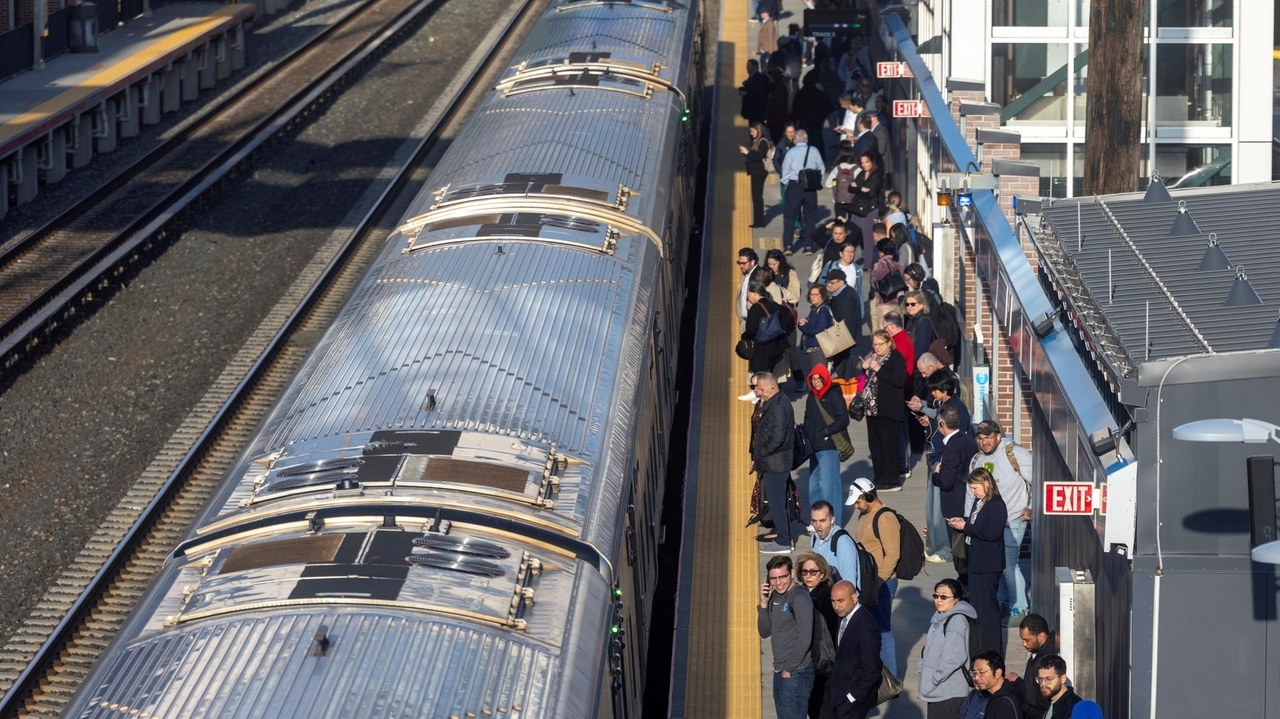
Chaos on the Rails: LIRR Strike Paralyzes Long Island Commuters, Raises Cost Concerns
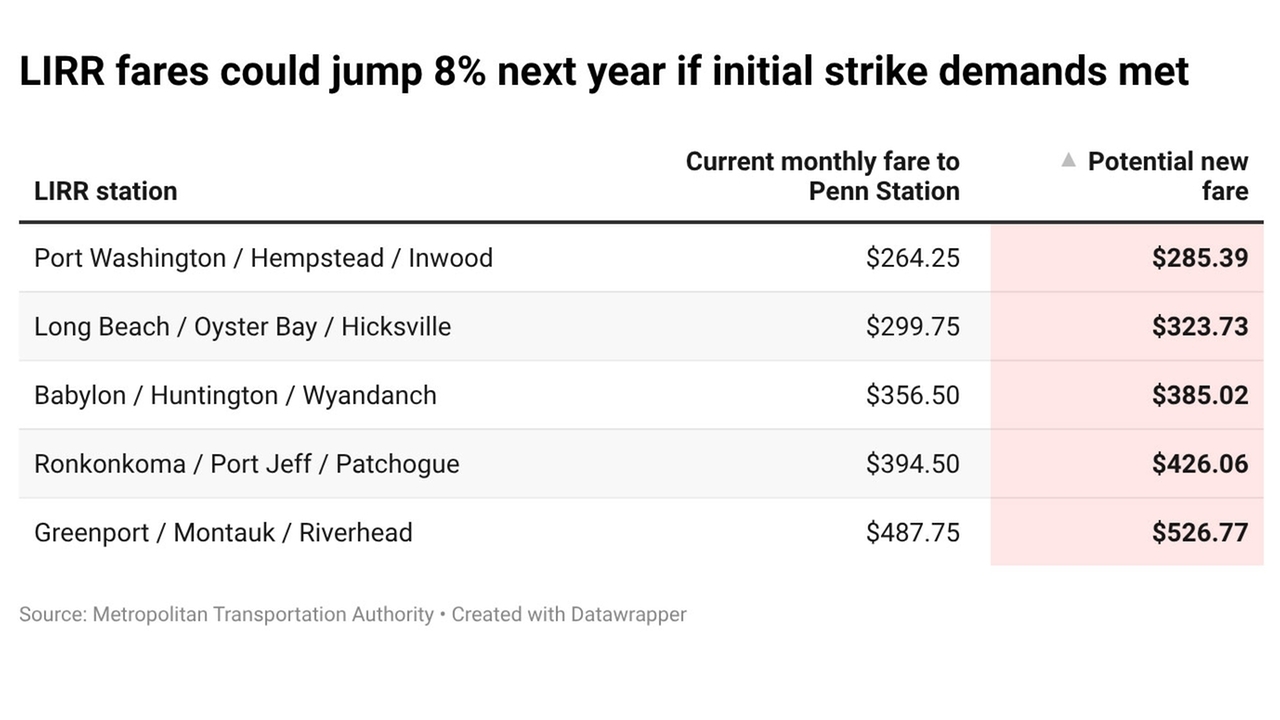
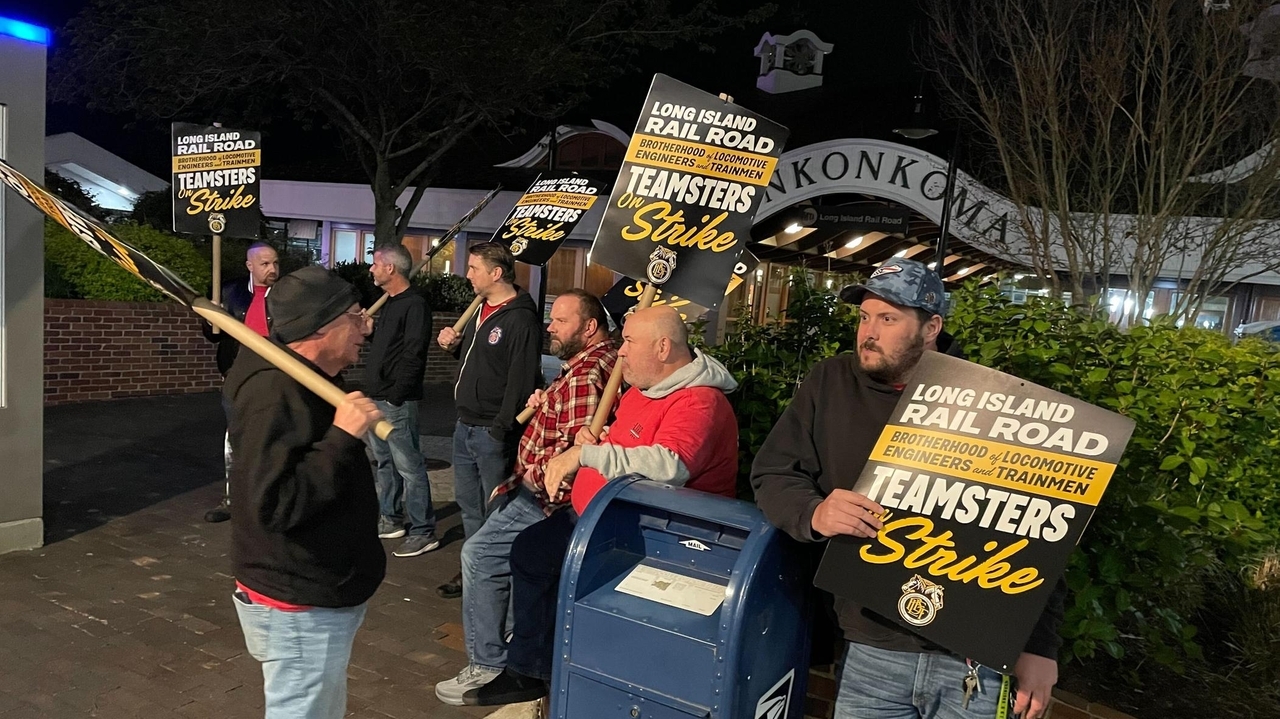
A significant Long Island Rail Road (LIRR) strike, the first since 1994, has deeply disrupted the lives of hundreds of thousands of commuters, creating substantial stress and economic ramifications across the region. As the MTA and five LIRR unions engaged in ongoing, often contentious, negotiations over a wage package, the only certainty for LIRR riders is a looming increase in ticket prices as early as next year.
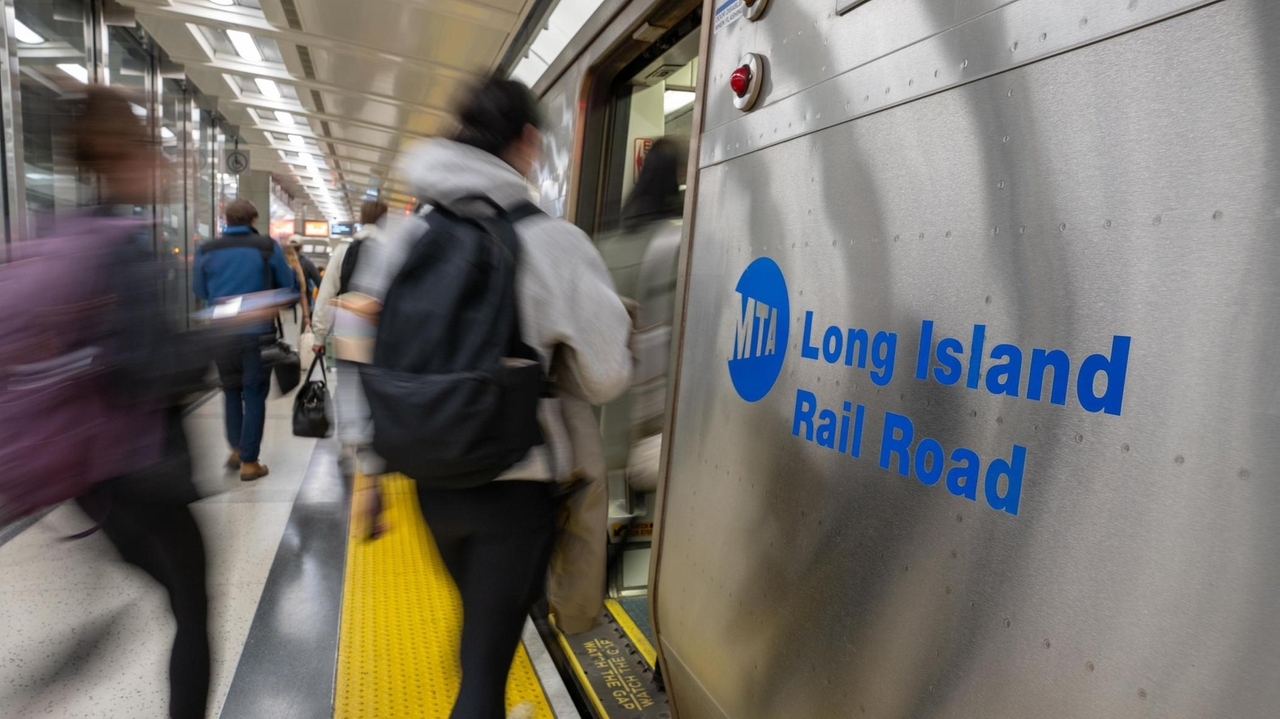
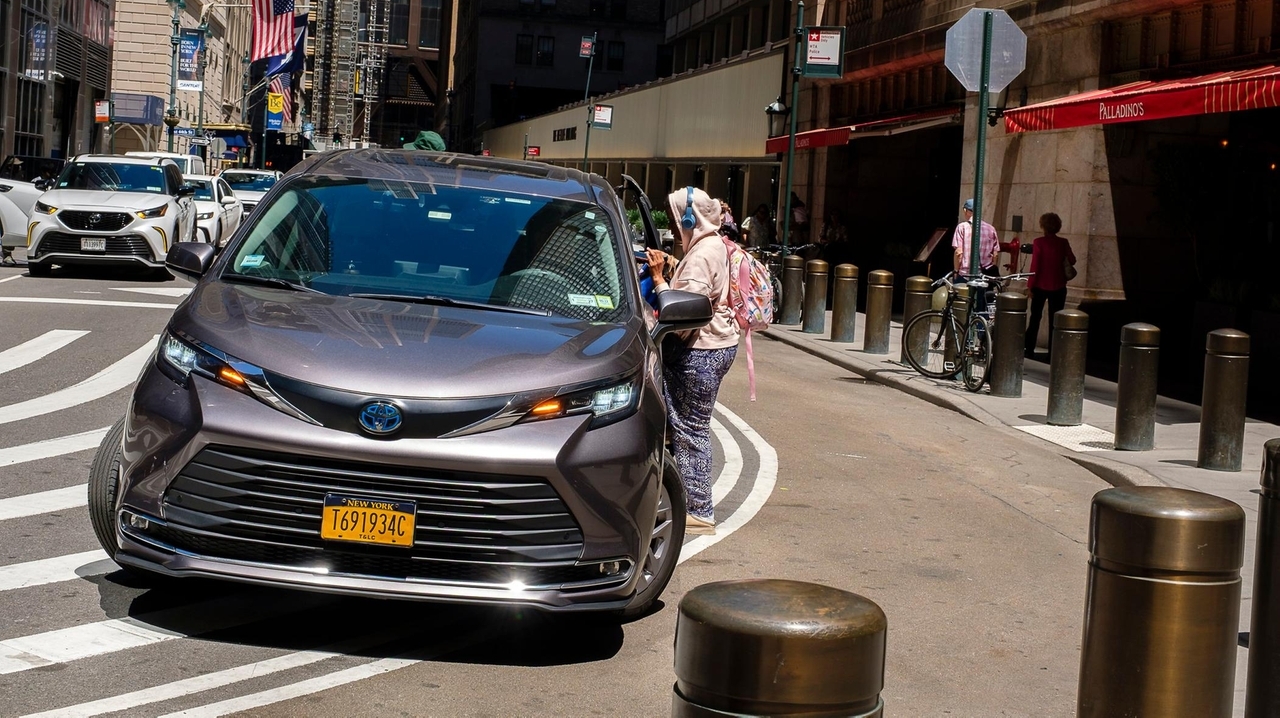
Commuters have faced unprecedented challenges, resorting to cars, buses, ferries, and even scooters to navigate their daily routines. The strike forced many to wake hours earlier, pay more for alternative transportation, and endure heavy traffic, particularly on major arteries like the Northern State Parkway and Long Island Expressway. Jean Joseph, a nurse manager, described the experience as "a lot of stress," while teachers like Maria Raniolo had no option but to commute in person, taking multiple modes of transport. Joel Atwell, a commercial porter, saw his usual two-hour commute extend to three, and Ayoub Elmahmoudi's journey to New Jersey, typically 90 minutes, ballooned to four or five hours. The congestion was pervasive, with even HOV lanes experiencing bumper-to-bumper traffic, leaving commuters like Diane Winkelman late for critical appointments.
The core of the dispute revolves around a four-year contract. While both parties reportedly agreed on terms for the first three years, including retroactive pay, the unions are seeking a 5% raise for the fourth year, while the Metropolitan Transportation Authority (MTA) has proposed a 3% raise supplemented by lump-sum payments. The MTA estimates that a 5% raise across all its unions would add $270 million in annual costs. To cover these additional expenses, MTA Chief Financial Officer Jai Patel indicated that the next fare increase, already scheduled for 4% in 2027 to cover inflationary costs, would have to total 8%. Such an increase could see monthly tickets for Hicksville commuters jump by $24, or $288 annually, and those from Greenport, Montauk, or Riverhead facing an increase of around $39 per month, totaling $468 annually. The MTA contends that if the unions secure a higher boost, they should find concessions, such as changes to costly work rules.
Newsday's analysis of 2024 payroll data has shed light on the LIRR workers' compensation, revealing that 168 striking employees earned over $200,000, with five exceeding $300,000. The median income for LIRR workers, including overtime, is $136,000. Many of these high earners significantly boosted their base pay through six-figure overtime earnings, which the MTA attributes to "antiquated work rules" that force it to budget around $170 million for overtime annually. Conversely, the striking unions argue that they are "simply fighting to keep up with the skyrocketing cost of living" in the New York metropolitan area, which has increased by over 16% since April 2022. MTA Chairman Janno Lieber countered this, stating that LIRR employees are "the highest paid railroad workers in the country" and benefit from "extraordinary benefits" and generous sick pay.
The financial strain on the MTA is compounded by the fact that taxes and subsidies cover 68% of the LIRR's operating costs, making it the most heavily subsidized unit within the MTA, surpassing city buses, subways, and Metro-North Railroad. The MTA's final pre-strike offer included a nearly 4.5% pay raise in the fourth year (via traditional raise and lump sum) but also sought new healthcare contributions from incoming employees, which was not accepted by the unions.
The strike has also generated political challenges and opportunities. For Democratic Governor Kathy Hochul, who oversees the MTA, the work stoppage presents a leadership test. Republican gubernatorial candidate Bruce Blakeman, currently trailing Hochul, has seized the moment to gain statewide recognition. Blakeman criticized Hochul's handling of negotiations and called for a suspension of congestion pricing during the strike, positioning himself as a champion of working people without explicitly siding on the contract terms. Political analysts suggest that the strike's impact on Blakeman's standing will depend heavily on its duration and whether public sentiment shifts to blame the governor. Some editorial opinions have even suggested removing the LIRR from the federal Railway Labor Act's jurisdiction and placing it under New York’s Taylor Law, which prohibits strikes by public workers, aligning it with the rules governing the New York City subway system.
You may also like...
Tesla Shocks Market: 2027 Model Y Sees Price Hike, Base Trims Steady

Tesla has adjusted the pricing for its 2027 Model Y, with some trims seeing increases of up to $1,000, marking the first...
Jeep Unveils 2026 Wrangler America250 Edition with Patriotic Flair and Marvel Crossover

Jeep unveils the 2026 Wrangler America250 Edition, a special model celebrating America's 250th anniversary with patrioti...
Banking Giant Takes Over Crypto Custody: Standard Chartered Fuels Digital Asset Consolidation
Standard Chartered is set to acquire Zodia Custody, its co-founded digital asset custodian, following shareholder approv...
US on the Brink: White House Hints at Groundbreaking Bitcoin Reserve
The White House is on the cusp of formally announcing the U.S. Strategic Bitcoin Reserve, confirming the resolution of m...
Shockwave in Delta: Dafinone Crushes Omo-Agege in APC Primary by Landslide!
Senator Ede Dafinone has secured the All Progressives Congress (APC) ticket for the Delta Central Senatorial District in...
Plateau APC in Turmoil: Committee Declares Gagdi Winner, Disowns Prior Results!
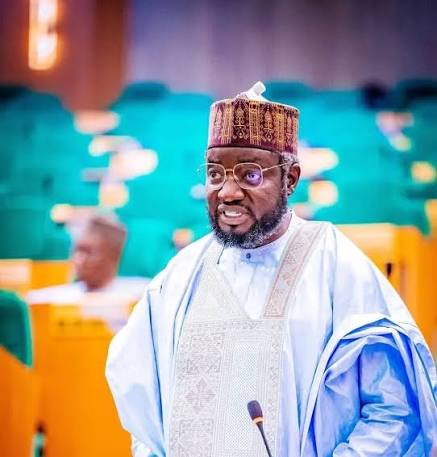
The APC Plateau State Primaries Electoral Committee has dismissed earlier unauthorized results for the Pankshin/Kanke/Ka...
Chaos on the Rails: LIRR Strike Paralyzes Long Island Commuters, Raises Cost Concerns
A protracted Long Island Rail Road (LIRR) strike has severely impacted commuters and ignited intense negotiations over w...
Burnham's Bold Bid: Political Ambition Meets £5M Question in Parliament Race

Andy Burnham is making a highly scrutinized bid to return to Parliament as Labour's candidate for Makerfield, facing str...