Chaos on the Rails: LIRR Strike Halts Nation's Largest Commuter Line, Sparks NYC Price Hikes
The Long Island Rail Road is currently experiencing its first strike since 1994, following a breakdown in negotiations between the MTA and its labor unions over wage increases and healthcare contributions. This major disruption is forcing commuters to find alternatives, with limited LIRR shuttle services and the potential for surging rideshare prices, as the region braces for daily economic losses in the millions.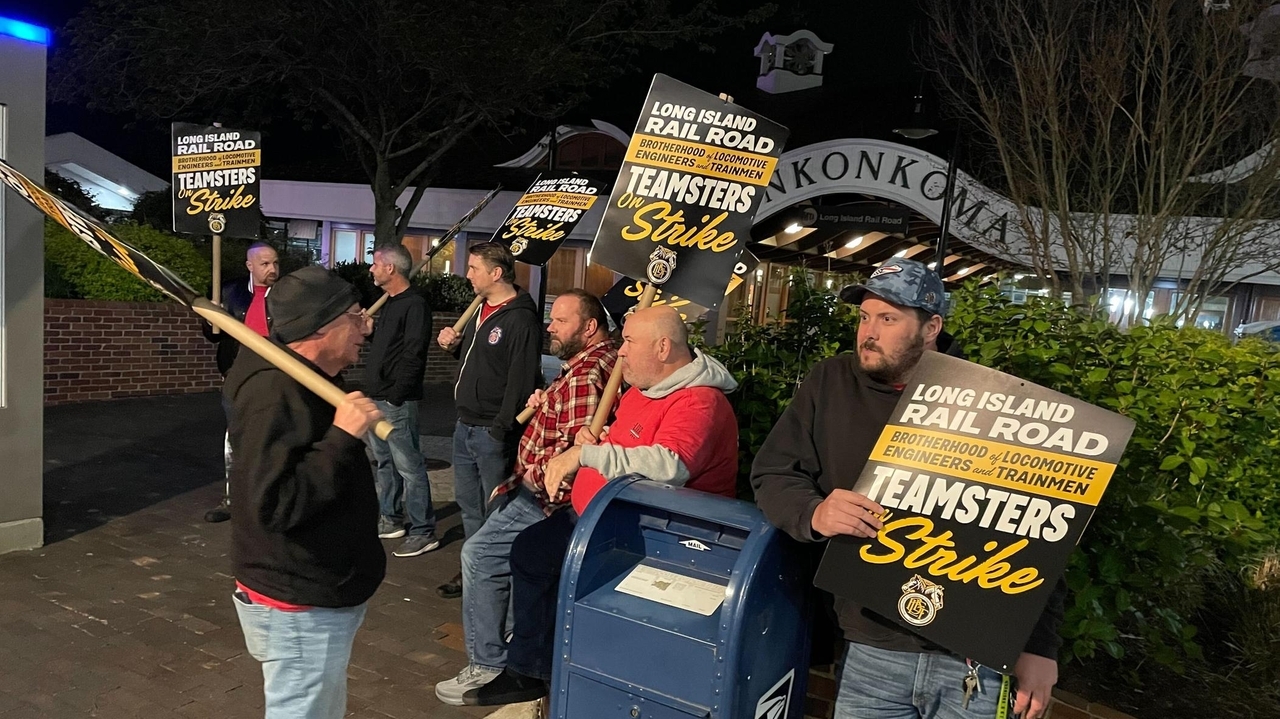
The Long Island Rail Road (LIRR) faced its first strike since 1994 on Saturday, following the collapse of last-minute negotiations between the Metropolitan Transportation Authority (MTA) and a coalition of labor unions representing 3,500 employees. Talks concluded shortly after midnight with both sides emerging to hold separate news conferences, each accusing the other of negotiating in bad faith and stating they remained "far apart" on a deal. The duration of the strike remained unknown, with no timetable set for the resumption of discussions.
At the heart of the dispute were wage increases and healthcare contributions for new employees. The unions, representing various roles including locomotive engineers, signal inspectors, electricians, machinists, and ticket clerks, had initially sought a 6.5% wage increase in the fourth year of a new contract, later reducing their demand to 5%. This was in response to what they argued were insufficient raises (3% in first two years, 3.5% in third) compared to the rising cost of living in the metro area (Consumer Price Index ranging between 2.5% and 4.6% since April 2023) and raises secured by workers at other major railroads. Union spokesman Kevin Sexton revealed that during the "eleventh hour" of negotiations, the MTA introduced a proposal requiring new LIRR employees to contribute to their healthcare, a point of contention.
The MTA, through Chairman and CEO Janno Lieber, countered the unions' demands by highlighting the average wage of striking workers at $136,000, arguing that the requested raises would necessitate significant fare hikes for riders (potentially doubling the next planned increase to 8%), service cuts, tax increases, or layoffs. Lieber accused the unions of always intending to strike and claimed LIRR workers were already the highest-paid railroad workers in the nation. The MTA had initially sought to modify "restrictive union work rules" that they claimed hindered productivity, such as paying engineers a second day's salary for operating both diesel and electric trains in a single shift. When these work rules were rejected from the negotiating table, the focus shifted entirely to compensation. The MTA's chief negotiator, Gary Dellaverson, offered a $134 million package, equivalent to 4.5% raises in the fourth year, in the form of one-time lump sum payments—a proposal designed to be more affordable and avoid setting a precedent for other unions. However, union officials repeatedly rejected lump sum payments, as they would not increase workers' base pay ahead of future contract negotiations.
Governor Kathy Hochul weighed in on the dispute, criticizing the unions' decision to strike as "reckless." In a statement, she asserted that their demands "would threaten that progress," could raise fares by as much as 8%, create divisions among workers, and risk tax increases for Long Islanders, deeming it "unacceptable." The unions, in turn, dismissed the MTA's warnings as "fear mongering," pointing to the MTA's $765 million operating budget surplus in 2025 and new revenue streams from congestion pricing tolls and state casino fees.
The strike caused immediate concern and disruption for Long Island commuters, who had already been scrambling to make contingency plans. This anxiety was intensified by an unrelated track fire at Penn Station days prior, which severely limited service into and out of the nation’s largest commuter railroad’s main terminus. For weekend riders, alternatives were scarce. Starting Monday, the LIRR planned to run six free shuttle bus routes from Hempstead Lake State Park and key LIRR stations (Ronkonkoma, Huntington, Hicksville, Bay Shore, Mineola) to subway stations in Queens (Jamaica and Howard Beach). However, these shuttles could only accommodate an estimated 13,000 commuters per day, less than 10% of the LIRR’s daily ridership, and would operate only on weekdays. Commute times using this service could double, and while the shuttles were free, subway tickets were not, potentially increasing costs for riders. Individuals like Alex Petty from Stony Brook University and Ben Altos, a musician, expressed significant challenges and potential financial burdens for their commutes and work.
The economic ramifications of the strike were projected to be substantial, with estimates ranging from $61 million a day (State Comptroller Tom DiNapoli's office) to $70 million a day (Long Island Association business group). Business leaders expressed concerns that the strike would prevent workers from reaching their jobs and negatively impact local employers, particularly ahead of the Memorial Day weekend, which marks the start of Long Island’s peak tourism season. The LIRR urged commuters to work from home and for employers to permit this accommodation. Meanwhile, monthly ticket holders were assured prorated refunds for any business days service was suspended due to the strike.
The potential for increased rideshare prices also loomed large. Experts, like Northeastern University's Christo Wilson, warned that a surge in demand with insufficient drivers could lead to significantly higher surge pricing on apps like Uber and Lyft. While these companies might encourage drivers to work, independent contractors are not obligated. Uber's algorithm and Lyft's dynamic pricing system automatically hike prices when demand outstrips supply. Current prices for rides to Long Island were already high, with a standard Lyft from Grand Central to Hicksville costing around $144. Research also indicated that surge pricing, while increasing immediate driver income, often led to more customer complaints and could negatively impact drivers' future earnings. Jason Ramirez, a dispatcher with EZ Ride Long Island Car Service, did not anticipate a significant impact on his business, which is more affected by seasonal travel demand.
Despite the halt in service, LIRR president Rob Free confirmed that unions had assured the MTA that workers aboard trains at midnight would stay on the job until their final destination was reached, an arrangement also affirmed by union spokesman Jaime Horwitz. The immediate future for LIRR commuters and the Long Island economy remained uncertain as the strike commenced without a clear path forward for negotiations.