LIRR Strike Paralyses Long Island: Traffic Snarls, Uber Surges, Commuters Scramble
The Long Island Rail Road strike has caused widespread commuter chaos, leading to canceled trains, exorbitant ride-hail prices, and severe traffic congestion across Long Island and into New York City. Passengers scrambled for limited options, while experts warned of unprecedented gridlock for the upcoming workweek, highlighting the critical reliance on LIRR services.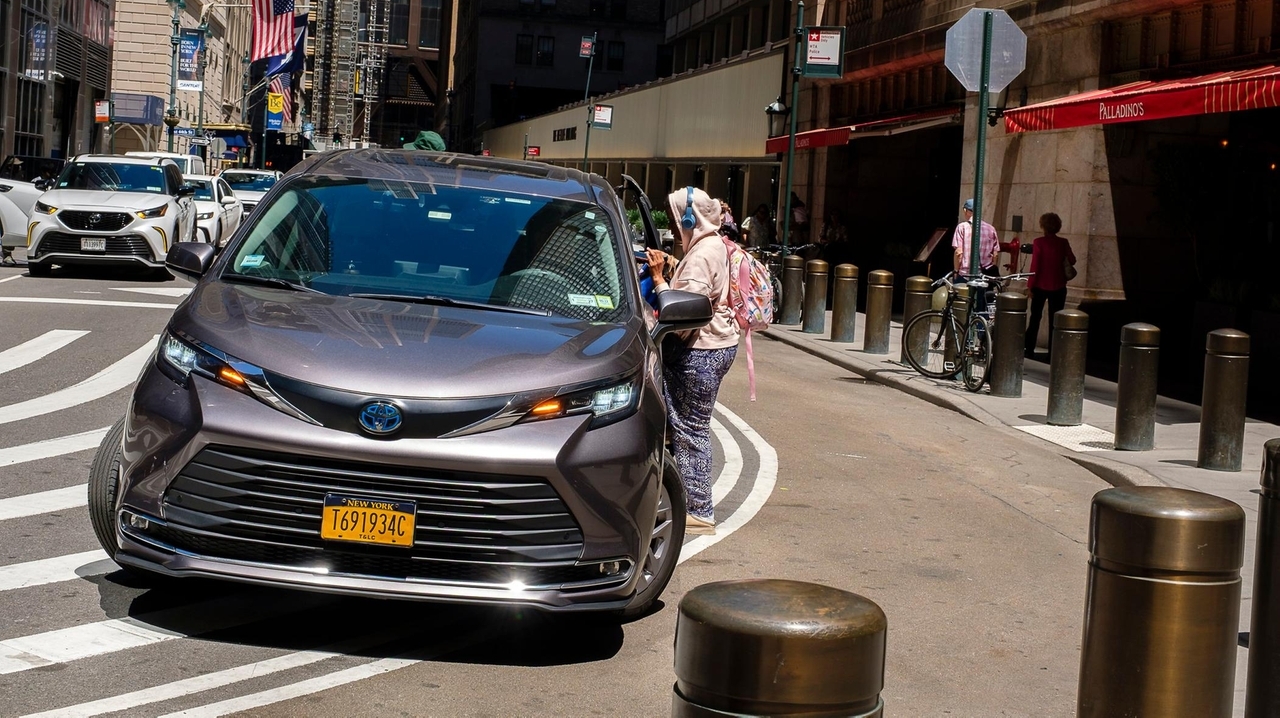
The Long Island Rail Road (LIRR) strike, which commenced just past midnight on a Saturday, immediately plunged tens of thousands of commuters into a state of chaos and uncertainty, dramatically disrupting travel across Long Island and into New York City. The halted service created a ripple effect, forcing passengers to seek alternative, often costly, transportation and leading to severe traffic congestion.
For many commuters, the initial hours of the strike were a frantic scramble. At Jamaica and Penn Stations, intercom announcements declared "This is the last train of the night," sending dozens of confused passengers rushing onto what they hoped were final outbound trains. Kaitlyn Rivera, a 31-year-old flight attendant from Babylon, was among those trying to get home from a concert, describing the situation as "a nightmare." She expressed concern for her co-workers who rely on the LIRR for airport commutes, noting that many flight attendants do not drive to work. Kevin Bonilla, another concertgoer, echoed the sentiment, stating, "The LIRR has always just been there and it's something people rely on." The rush was compounded by a previous Amtrak track fire, making ticket purchasing and train schedules nearly impossible to decipher, while some passengers even received free rides as ticket-takers ceased checking fares after the strike deadline.
One of the most immediate and painful consequences for stranded commuters was the exorbitant surge pricing implemented by ride-hail services like Uber and Lyft. Hilary Bloom, returning to Kennedy Airport after a London vacation, was shocked by a $297 Uber quote to St. James, opting instead to wait for her husband. Other riders reported fares as high as $350 from Manhattan to North Babylon. While companies argue that dynamic pricing, known as "surge" or "Prime Time," is necessary to attract more drivers to meet increased demand, critics swiftly accused them of price gouging, especially during crises. Josh Gold, a spokesman for Uber, stated that consumers should expect higher prices during the strike but claimed the company was "limiting surge" on Long Island and that additional funds would go to drivers. Lyft spokesman CJ Macklin maintained that their Prime Time pricing was within the "normal range" and suggested scheduled rides for cheaper options. Economist Arun Sundararajan of NYU acknowledged dynamic pricing's efficiency in attracting drivers but conceded that "nobody likes higher prices." Kelly McGuinness from Hunter College expressed wariness over an "untapped ceiling" for these prices and highlighted the opaque algorithms and use of personal data for personalized pricing by these companies, as required by New York State law.
The strike's impact quickly extended to Long Island's road network. On the first day of the strike, major arteries into the city experienced significant slowdowns. Experts, including Robert Sinclair Jr. of AAA Northeast and Kelly McGuinness, predicted unprecedented "gridlocks" during Monday's rush hour if the strike continued, as the LIRR typically transports 270,000 weekday commuters. Google traffic data on Saturday showed travel times from Ronkonkoma to Penn Station increasing by 45 minutes and Babylon to Penn Station by 51 minutes, both stretching to around two hours. The MTA's contingency plan largely relied on employees working from home but also included limited shuttle bus service during peak hours from six Long Island locations to subway stations. However, these shuttle buses could accommodate only about 13,000 commuters per peak period, roughly 10% of normal ridership, offering little solace to the masses. Compounding these issues were already inflated gas prices and the added wear and tear on vehicles from increased mileage and idling in traffic. The New York State Department of Transportation responded by positioning tow trucks strategically, removing debris, and suspending non-emergency construction to mitigate traffic disruptions.