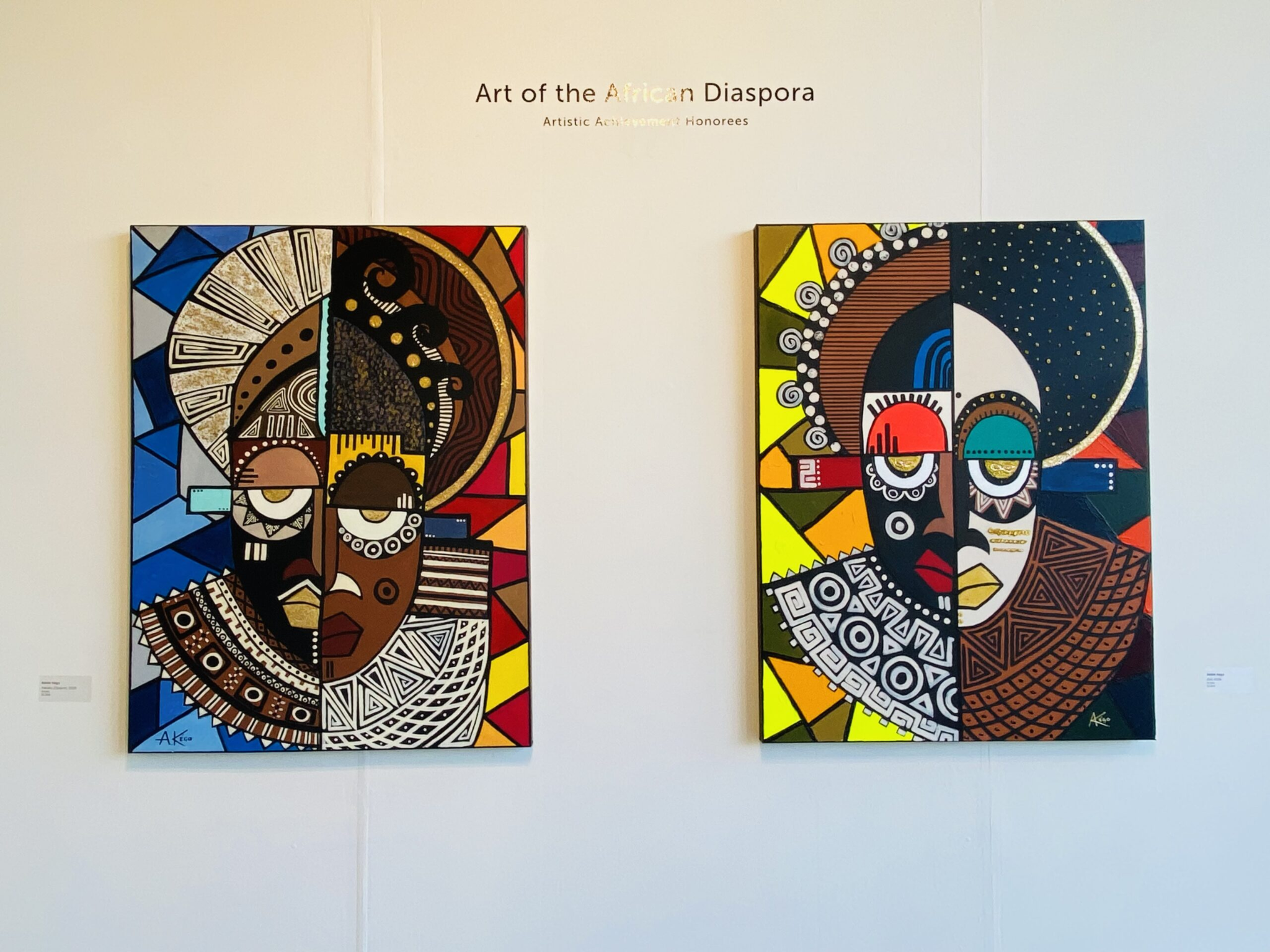
Celebrating Heritage Abroad: The 2026 Art of the African Diaspora Exhibition and Cultural Pride
The 2026 Art of the African Diaspora exhibition at Richmond Art Center celebrates 29 years of cultural pride, creative resistance, and community building, showcasing over 150 artists preserving heritage through powerful visual storytelling.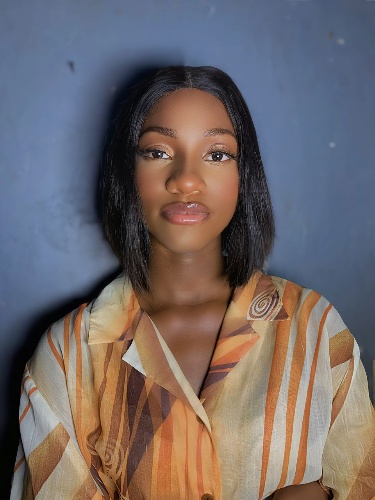
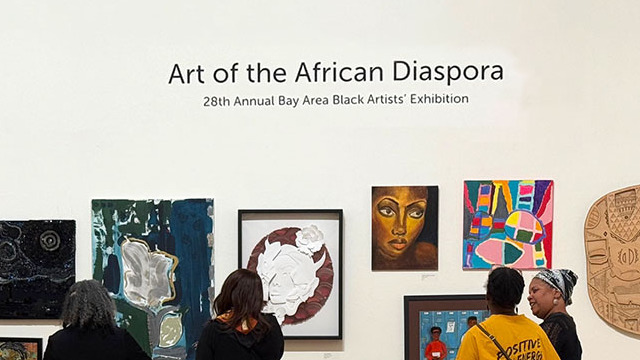
Do you know that right now in the Bay Area, over 150 artists are turning a single gallery into a masterclass on carrying home in your heart while building new worlds with your hands? Yes, that is the2026 Art of the African Diaspora exhibition at Richmond Art Center which started on January 14 and it is not just another art show, it is a 29-year legacy of people refusing to let their stories be erased.
For the younger generation watching their parents navigate questions of belonging and identity, this exhibition is not like every other one. Because this is the generation that understands you can be from multiple places at once, and that art might be the most powerful tool for keeping our ancestors' voices alive.
The Legacy That Built This Moment
Let's rewind to 1989. Artist Marie Johnson Calloway started a salon called Colors of Black when Black artists in the Bay Area struggled to find gallery representation. By 1996, artists Jan Hart-Schuyers and Rae Louise Hayward transformed that salon into The Art of Living Black at Richmond Art Center.
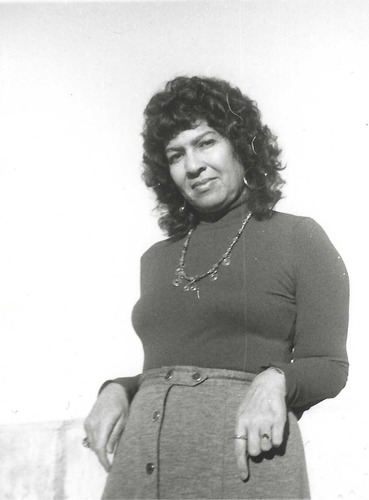
They had a vision which was to showcase Black artists and give audiences who had been historically shut out a place to see themselves reflected.
Fast forward to 2019, and the exhibition evolved to embrace the broader African diaspora. That name change was recognition that African creativity spans continents, that displacement and migration created new forms of expression, and that a kid in Oakland might share artistic DNA with someone in Lagos.
When Art Becomes Resistance
For diaspora communities, creating art is more about cultural preservation than aesthetics. It is about telling our own stories before someone else tells them wrong. It is about passing down knowledge when everything else has been stripped away.
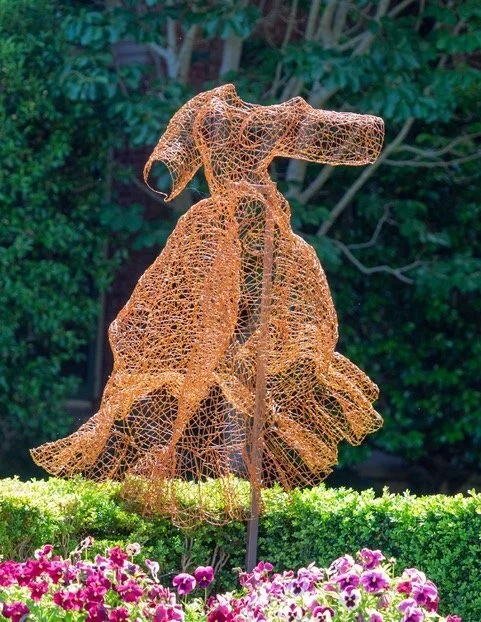
The 2026 exhibition features over 100 works from paintings to photographs, sculptures, mixed-media pieces, each one a declaration of existence. Artists like Kristine Mays, whose ethereal wire sculptures capture movement, and James Moore, creating abstract metal works are featured.
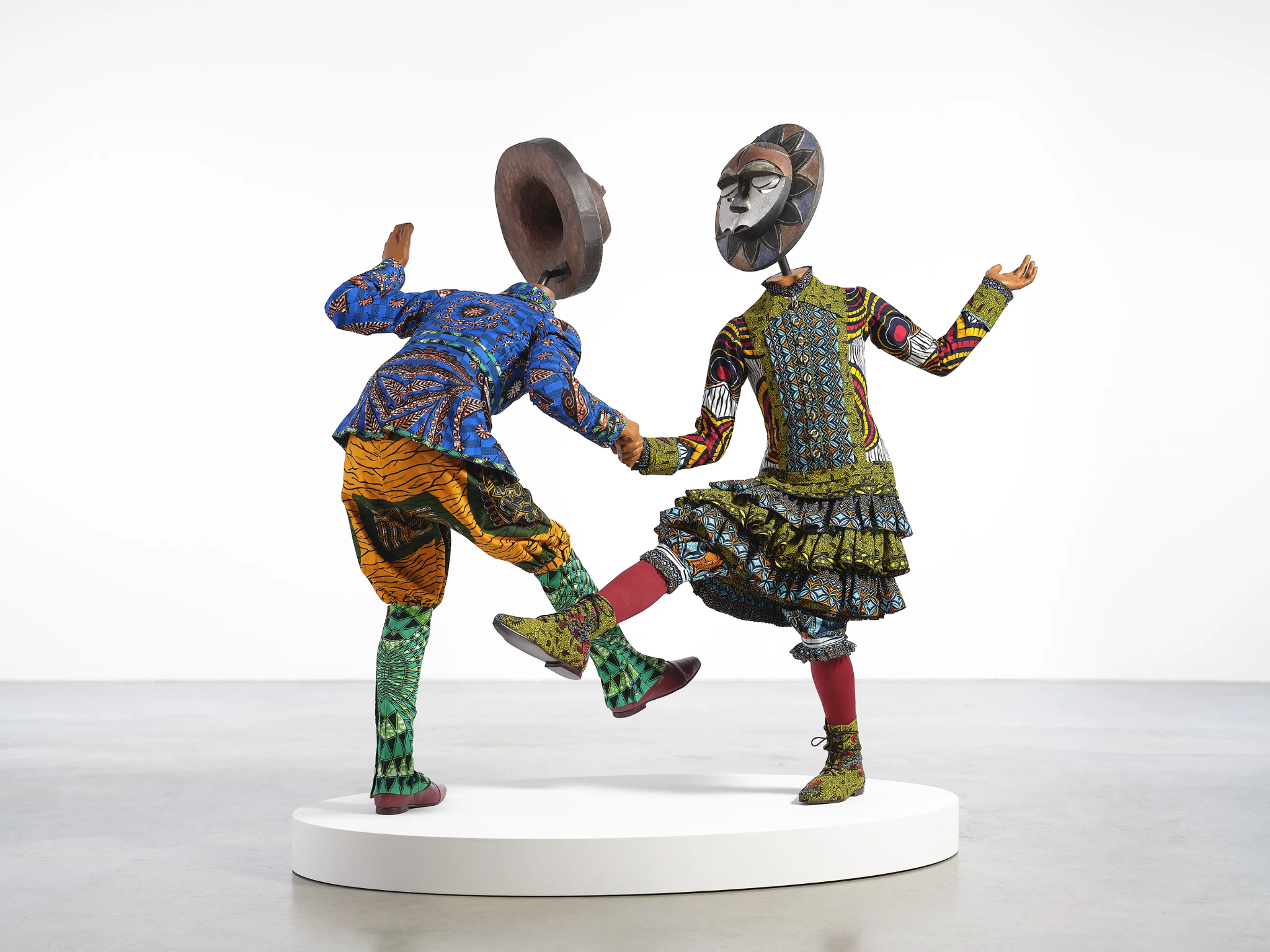
Diasporic art is inherently political even when beautiful. When Yinka Shonibare uses vibrant Dutch wax fabric to explore colonialism, he is reminding us that fabrics we associate with "African authenticity" were actually created by Dutch colonizers.
Building Community Through Creation
The Art of the African Diaspora is not just about hanging work on walls and getting people to assess them. It is about community building. This year's free panel on February 21 brings together artists and administrators to talk about the impact of public art in our communities.
When you are part of a diaspora community, you are always negotiating between remembering and becoming. Honouring traditions you may never have experienced while creating new expressions that reflect who you are now.
For emerging artists, spaces like this are lifelines. The Museum of the African Diaspora runs an Emerging Artists Program to highlight local, mid-career visual artists. Without platforms, without representation, too many voices get lost.
Why This Matters Now
In a world trying to erase complexity and flatten identity, spaces like the Art of the African Diaspora refuse to play that game. They are saying that our stories are complex, our heritage is valuable, our creativity is borderless. And we are not waiting for permission to celebrate it.
Diaspora Connect
Stay Connected to Home
From Lagos to London, Accra to Atlanta - We Cover It All.
The 2026 Art of the African Diaspora runs through March 14 at Richmond Art Center. Entry is free, because access matters. The artists featured are not just making beautiful objects, they are preserving memory and building bridges.
And that is refusing to be erased, demanding representation, and using creativity as both shield and weapon. The ancestors would be proud.