Can NPFL's ₦1 Billion Prize Money Make It Africa's Top Football League?
Can NPFL's new ₦1 billion prize money and ₦2 million minimum wage transform Nigerian football? A look at how the reforms compare with Africa's top leagues and what the NPFL still needs to attract fans and retain talent.
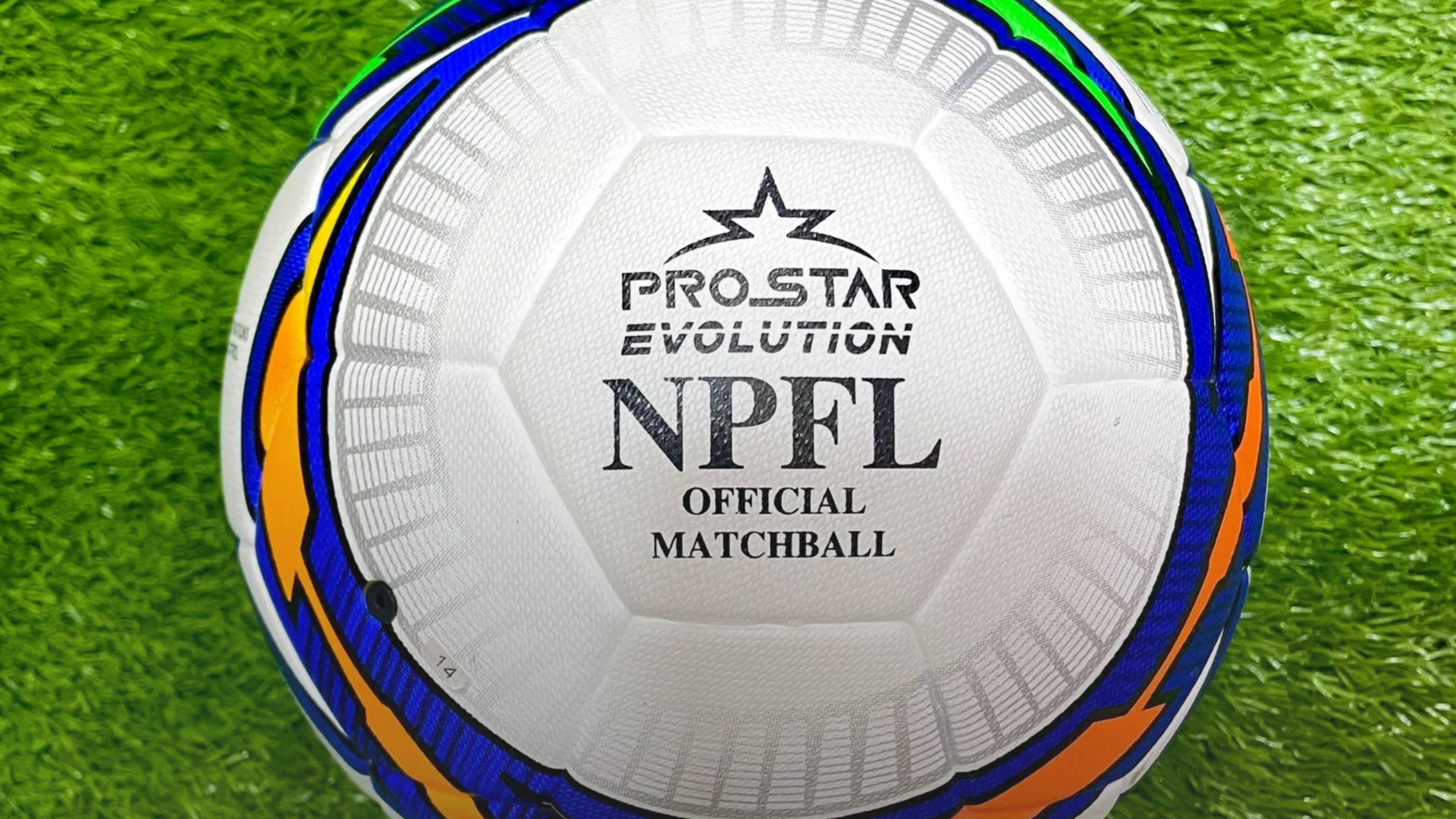
Nigerian football has long been a theatre of contradictions. The country produces some of the world's most sought-after talents. These players fill out significant spots at PSG, Napoli, Galatasaray and other prominent clubs across Europe and Asia, yet its domestic league has remained at a level unable to compete even at its region.
They are struggling to keep those same players home long enough for fans to fall in love with them. That tension could be experiencing a shift soon.
On June 24, 2026, the National Sports Commission (NSC) and the Nigeria Football Federation (NFF) announced a package of reformsthat could fundamentally alter the structure of Nigerian club football.
Starting from the 2026/27 season, the champions of the Nigeria Premier Football League (NPFL) will receive a minimum prize money of ₦1 billion, up from ₦200 million the previous season. Runners-up will earn ₦500 million, with third place taking home ₦300 million.
Alongside the prize money overhaul, a new minimum wage of ₦2 million per month for all NPFL players was approved, a 13-fold increase from the previous floor of ₦150,000.
These are not minor tweaks that we can skip. They are structural interventions and the numbers should be treated as such.
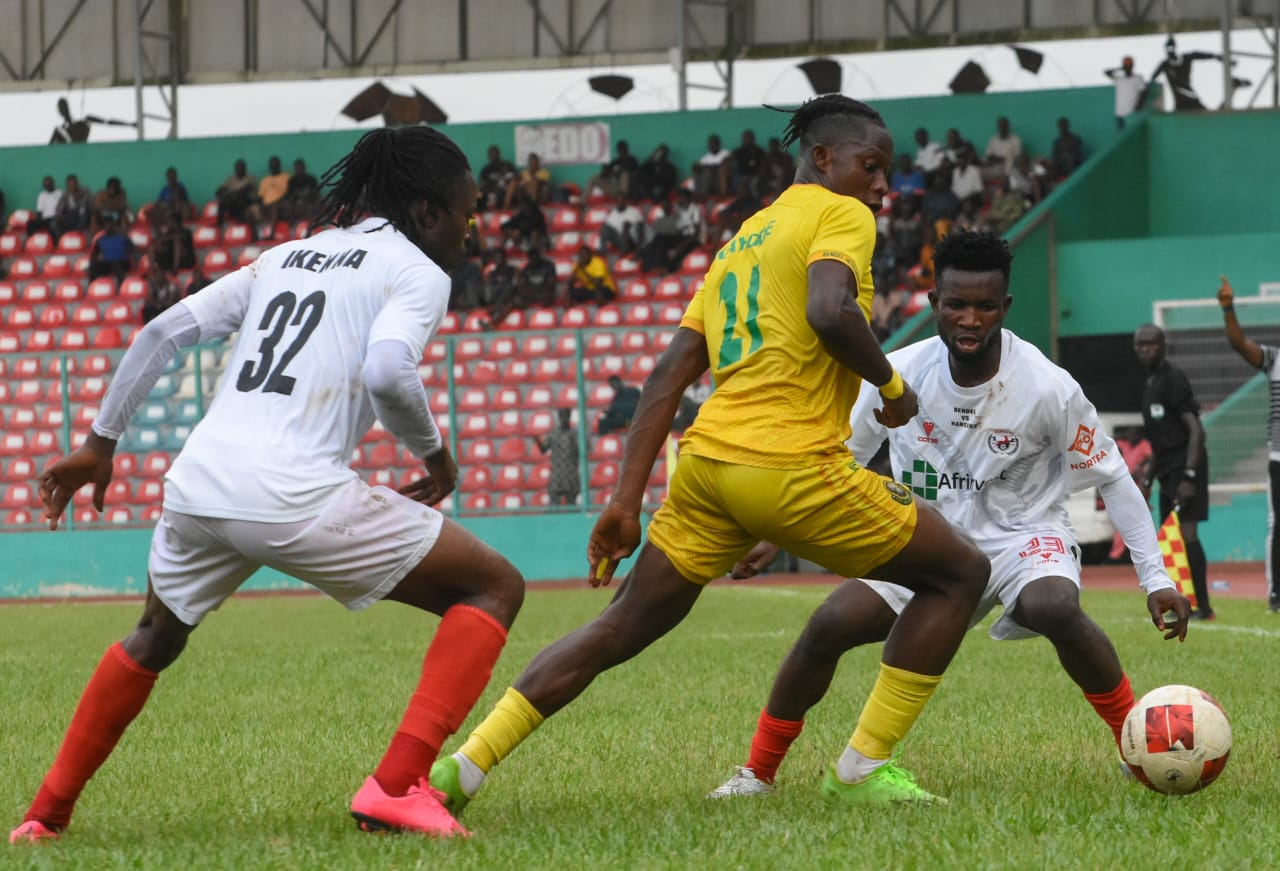
How the NPFL's New Prize Money Compares to Other African Leagues
The significance of the ₦1 billion prize can be better understood with context. Before this announcement, Nigeria ranked seventh among African leagues in champion prize money, with the ₦200 million champions' reward for the 2024/25 season translating to approximately $119,000 at prevailing exchange rates.
South Africa's Betway Premiership led the continent comfortably with its champions earning around $1.13 million, followed by Morocco's Botola Pro at approximately $598,000 and then Egypt's Premier League at $500,000.
The new ₦1 billion prize, worth roughly $660,000 at current rates, repositions Nigeria to second place on the continent for league-winning rewards, ahead of Morocco and Egypt, only behind South Africa.
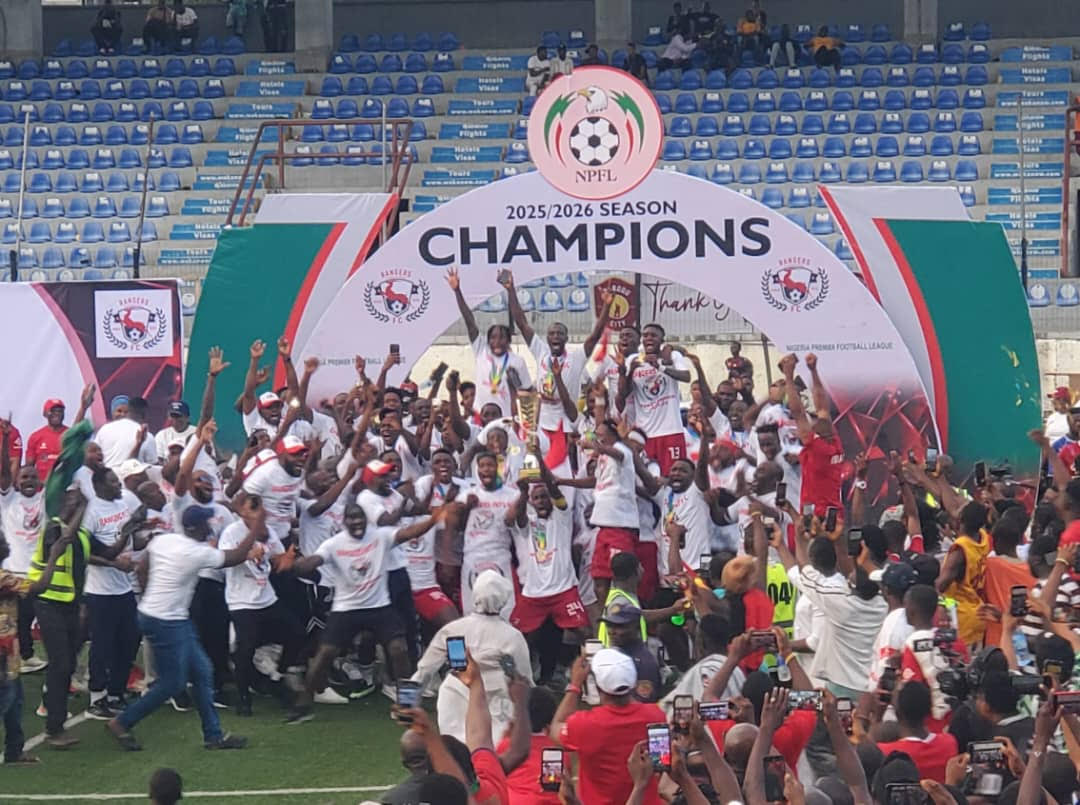
More tellingly, a team that finishes third in the NPFL next season will receive more money than the 2025/26 NPFL champions, Enugu Rangers, earned for winning the entire title.
The Salary Crisis That Made This Reform Necessary
The prize money story is more dramatic but the minimum wage reform is arguably more consequential.
For years, the NPFL has watched its best players leave not for the Premier League or the Bundesliga, but for leagues in Iraq, Saudi Arabia and smaller North African countries. This is a brain drain that signals something more embarrassing than simple ambition.
In May 2026, an NPFL player who had moved to Iraq told Punch that the minimum salary in Iraq's second division was the equivalent of ₦4 million per month. He admitted he could not bring himself to tell his Iraqi teammates what he earned in Nigeria.
"I can't tell them we don't earn up to $500," he said. "If we pay better in the NPFL, why would I come to Iraq?"
The numbers he described were accurate. Analysis of the 2025/26 NPFL season showed that even top players at well-funded clubs like Rivers United earned between ₦800,000 and ₦1.5 million per month, while bench players at smaller clubs sat closer to the ₦150,000 minimum.
Many clubs were not even meeting that benchmark. As of October 2024, the NPFL withdrew the licences of newly registered players at nine clubs including Plateau United, Lobi Stars, Kwara United and Enyimba, after those clubs failed to resolve salary arbitration disputes with former players.
The new ₦2 million minimum wage might not solve all of that dysfunction overnight. However, it sets a professional standard that, if enforced, changes the conversation for players weighing domestic comfort against uncertain foreign contracts.
What the NPFL Needs Beyond Money to Win Back Audiences
Prize money is an input, not an outcome. The Egyptian Premier League's prize structure has never been its defining attraction — Al Ahly's continental dominance and packed stadiums are.
South Africa's PSL draws commercial investment because Mamelodi Sundowns have represented the league credibly in FIFA Club World Cup competition not merely because of the prize pot.

The NPFL's path to capturing both local and international audiences runs through different and rigorous processes.
The broadcast infrastructure is first. NSC Chairman Shehu Dikko confirmed that plans are at an advanced stage to return the NPFL to mainstream television.
The league's current streaming platform, NPFL Live, generates approximately ₦500 million annually in broadcast revenue.
Getting the league onto free-to-air television, as it was during the era when players like Rashidi Yekini commanded national attention, would immediately widen the audience base and justify higher sponsorship valuations.
Club licensing enforcement is second. The reforms require maximum club licensing standards. For a league where salary arrears have historically been a norm, this enforcement will determine whether the ₦2 million wage floor becomes reality or remains an aspirational document.
Third, and less tangible, is the quality of the spectacle. Nigeria's most widely watched football is still European. Young fans who grew up on broadcast access to the Premier League and La Liga have developed aesthetic expectations that the NPFL's infrastructure has not kept pace with.
VAR is still absent from Nigerian top-flight football. Many clubs still play on artificial pitches. Fixing these is slower work, but it is what turns a well-paid league into a watched one.
Can the NPFL Get to European League Standards?
The NPFL getting to the European standards is not happening very soon but the journey to this standard matters as much as the destination.
European leagues hold structural advantages that are not simply about money. The Premier League distributes over £2.5 billion in broadcasting revenue annually among its clubs.
The NPFL's total commercial ecosystem is not remotely comparable. What Nigeria can realistically build over the next decade is a league that keeps its best domestic talent home longer, produces competitive continental campaigns and becomes must-watch content for the continent's largest football market.
The ₦1 billion prize and ₦2 million wage floor are the first credible signal that Nigerian football authorities understand what professionalism actually costs.
Whether clubs are capitalized enough to comply, whether enforcement is consistent and whether the broadcast strategy delivers the visibility these reforms require are the tests that will determine whether June 2026 is remembered as the moment Nigerian football turned a corner, or another announcement that arrived without the infrastructure to make it real.