Can €290M from the EU Make a Real Difference in Nigeria’s Health, Digital, and Agriculture Sectors?
The EU pledges €290 million to Nigeria — but what is this investment really for, and will it reach ordinary Nigerians to improve healthcare, digital services, and agriculture?
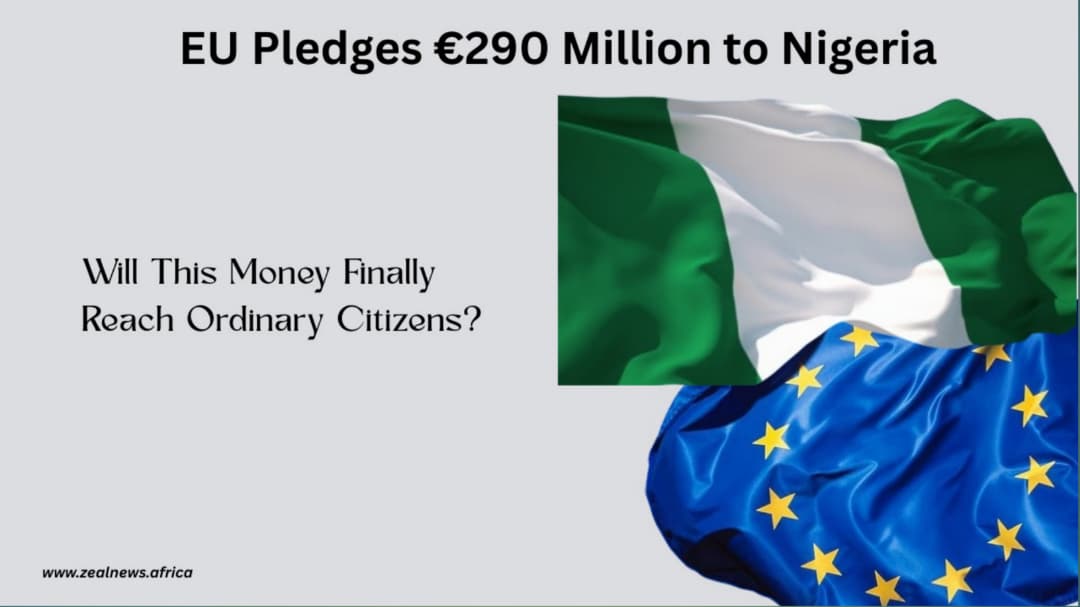
The European Union (EU) recently announced a €290 million investment package for Nigeria, targeting healthcare, digital infrastructure, and agriculture.
At first glance, it sounds like a major boost for the country.
But then, the real question remains: will this money actually reach the citizens it’s meant to help?
This pledge is part of the EU’s Global Gateway Strategy, aimed at supporting sustainable development in partner countries.
While the funds promise significant opportunities, history has shown that large investments can sometimes get lost in bureaucracy or fail to translate into everyday benefits.
This makes it critical to examine what the investment is meant for, how it could impact ordinary Nigerians, and what obstacles might stand in the way.
What the €290 Million Is Meant For
The €290 million is allocated across three main sectors:
1. Healthcare Manufacturing – The funds will help Nigeria increase its capacity to produce essential medicines, vaccines, and diagnostic tools.
2. Digital Infrastructure and Services – Investments will improve internet access, e-services, and digital skills training. The goal is to help Nigerians participate more fully in a rapidly digitizing economy, from students studying online to entrepreneurs running small businesses.
3. Agricultural Value Chains – The package aims to strengthen production, processing, and market access for key crops like cocoa and dairy, ensuring farmers can turn their produce into sustainable income.
The partnerships behind this pledge are also worth noting.
Collaborations with EIB Global and the Bank of Industry in Nigeria mean the funds are partly structured as loans and credit lines, designed to support firms and projects that can generate long-term growth.
This approach reflects a shift from one-time aid to investment-driven development, but it also introduces questions about accessibility and accountability.
Potential Impact on Everyday Nigerians
If implemented effectively, the investment could touch the lives of ordinary Nigerians in tangible ways.
Farmers might see better market access and modernized supply chains, while tech startups could benefit from improved digital infrastructure.
In healthcare, locally manufactured vaccines and medicines could reduce dependency on imports and improve affordability.

However, the key is translation.
Millions of Nigerians will only feel the impact if the funds reach projects at the grassroots level, not just large institutions or government offices.
Without careful monitoring, the €290 million risks being another headline figure with little effect on day-to-day life.
Challenges That Could Stall Progress
Nigeria has a history of bureaucratic delays, corruption, and weak oversight that can slow or block foreign-funded projects.
Even the best-intentioned investments can falter if policies aren’t aligned or if local implementation fails.
Another challenge is scale.
While €290 million is substantial, the sectors targeted are massive.
The money alone won’t solve systemic problems, and there’s a risk that the funds might benefit urban centers or established companies more than rural communities or small entrepreneurs.
Why the EU Is Investing Now
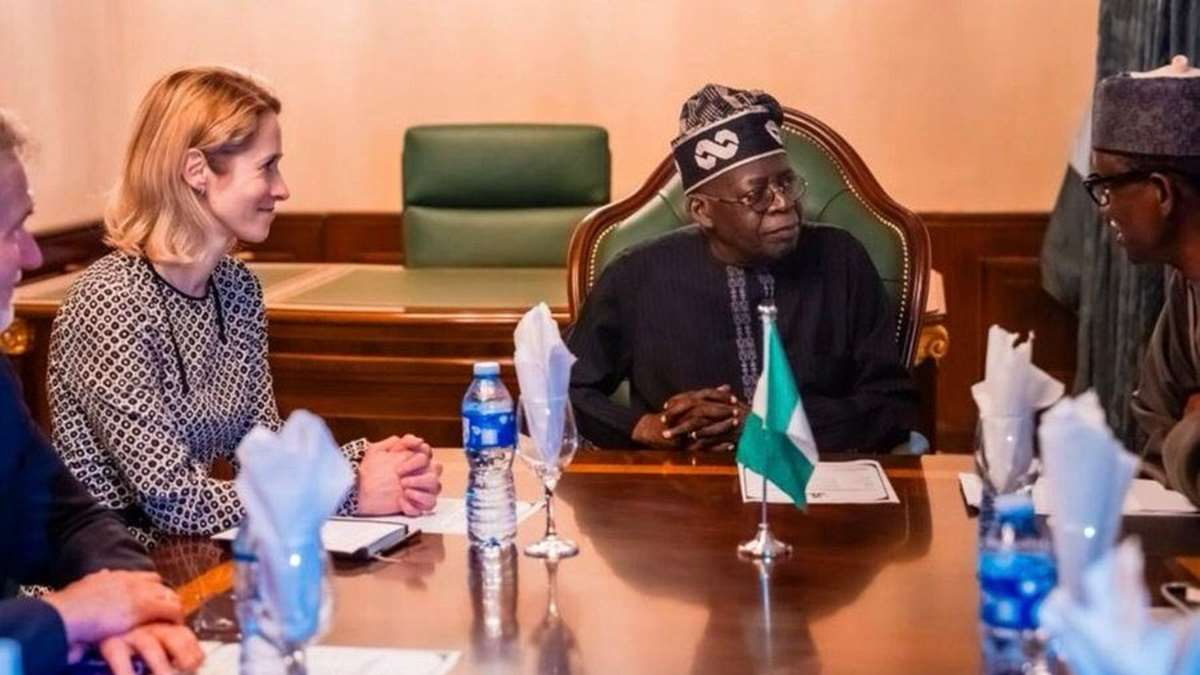
The timing of this pledge is strategic.
The EU is looking to strengthen ties with Africa through the Global Gateway Strategy, a program focused on sustainable infrastructure, technology, and economic resilience.
Nigeria, as Africa’s largest economy, is a natural focal point.
This partnership isn’t just about money.
It signals deeper cooperation between the EU and Nigeria, with the EU positioning itself as a reliable development partner amid rising competition from other global players.
By investing now, the EU hopes to foster long-term trade relationships, skills development, and political alignment, while also supporting Nigeria’s own development goals.
Will Nigerians Actually Benefit?
The ultimate question is whether ordinary citizens will see any difference in their daily lives.
This €290 million has the potential to transform sectors that affect millions, from farmers to healthcare workers to students. But potential alone isn’t enough.
For the investment to succeed, the Nigerian government and partners must ensure transparency, efficiency, and accountability in implementing projects.
Only then can this pledge be more than just a figure on paper and actually improve health outcomes, digital access, and agricultural productivity.
In short, €290 million could be a turning point, if leveraged effectively.
If not, it risks becoming another missed opportunity in a country that has seen big promises before.
The eyes of Nigerians are now on this pledge, waiting to see if it delivers real, tangible benefits where it matters most.