Breakthroughs in Cancer and Dementia Research: What's Next in 2026?
From personalized cancer vaccines to breakthrough Alzheimer’s blood tests, 2026 is shaping up to be a pivotal year in medical science. Here’s what the latest cancer and dementia research means for the future of treatment, diagnosis, and hope.
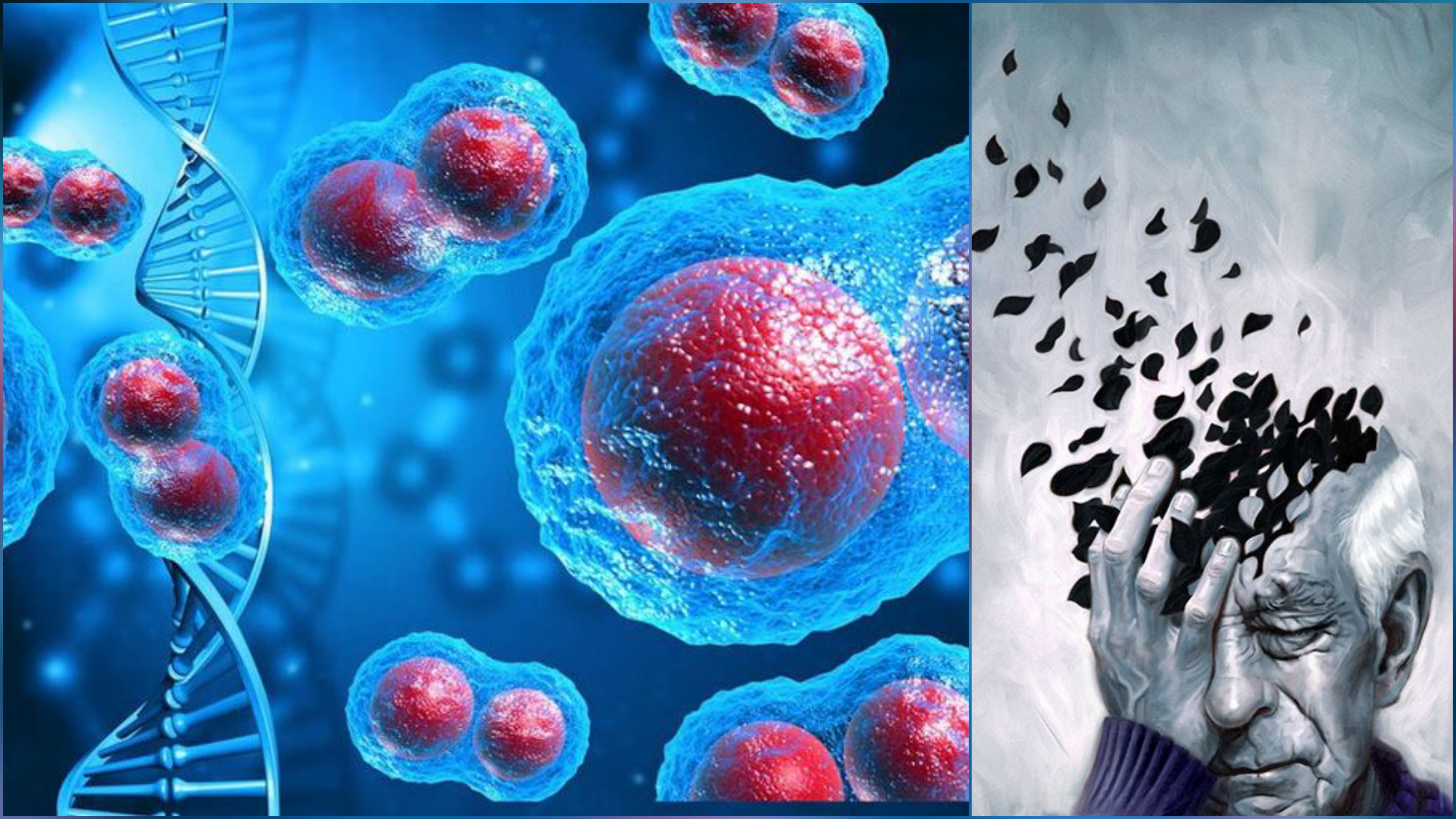
We all know cancer and dementia are scary. They have probably touched your life or someone you know.
But there is good news. We are living through a genuinely wild moment in medical research, and 2026 is shaping up to be a year where science fiction starts becoming science fact.
The Cancer Revolution You Need to Know About
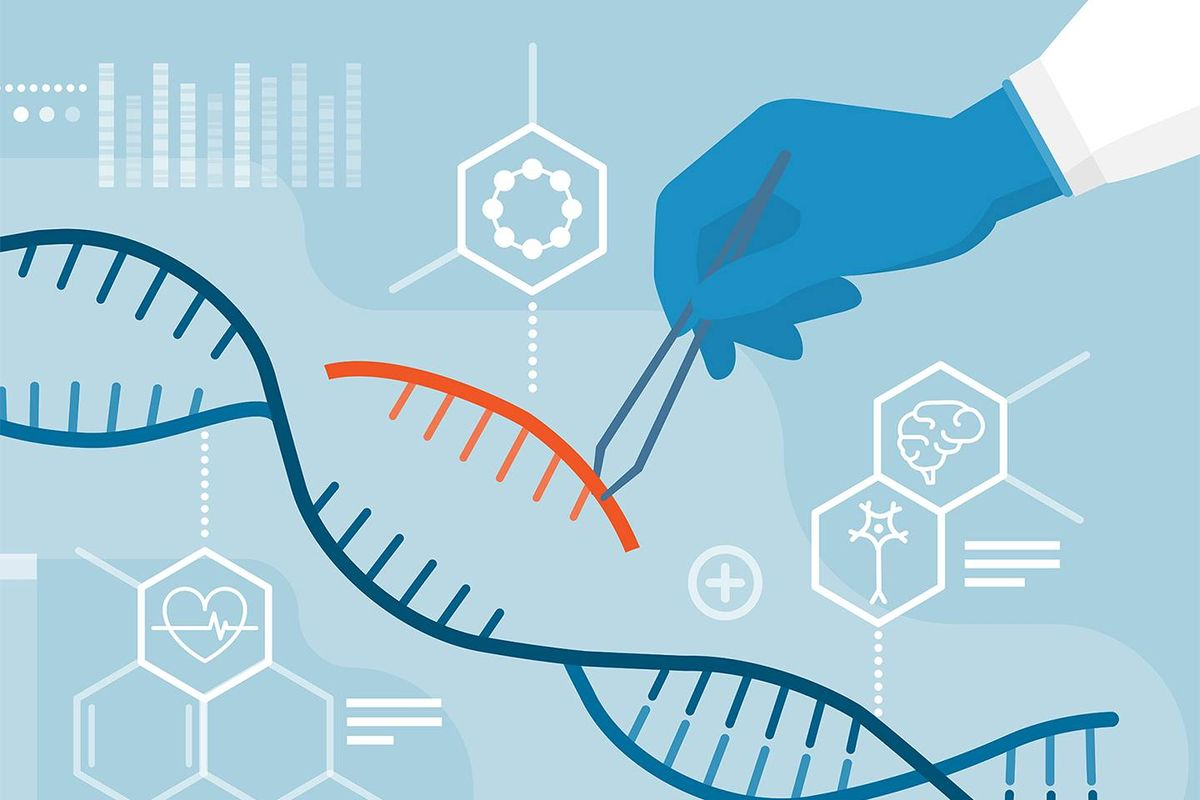
Remember when cancer treatment basically meantchemotherapy that made you lose your hair and feel awful? We are moving way past that. The biggest game-changer right now is personalized medicine, and it is exactly what it sounds like. It is a treatment designed specifically for your tumor's unique genetic makeup.
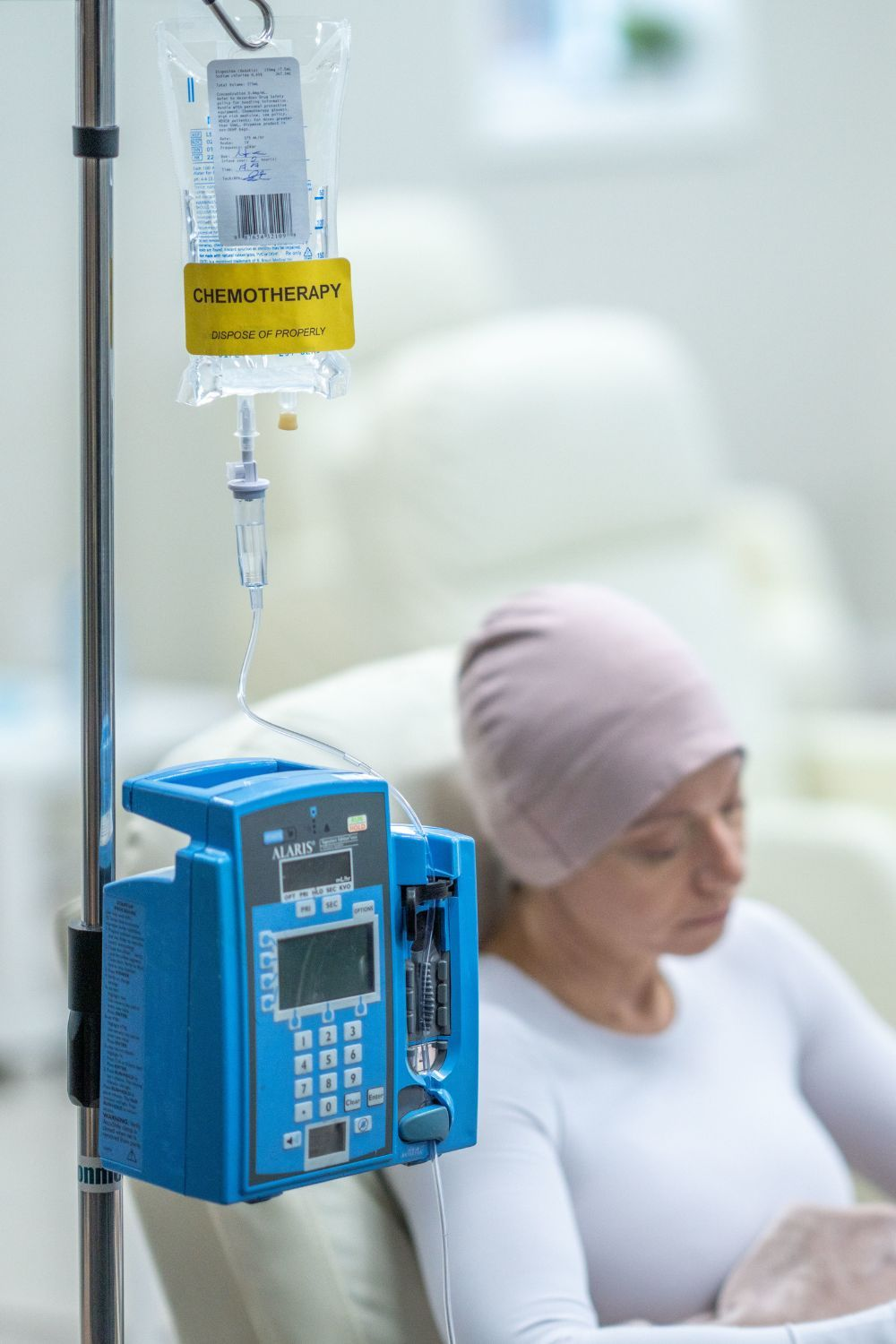
CAR-T cell therapy is leading this charge. Basically, doctors extract your immune cells, genetically modify them in a lab to become cancer-hunting missiles, and put them back in your body. It sounds like something out of a sci-fi movie, but it is real, and it is saving lives.
Initially approved for certain blood cancers, researchers are now figuring out how to use it against solid tumors like breast and lung cancer. That is huge, because solid tumors make up the majority of cancer cases.
Then there is the whole AI revolution. Machine learning algorithms can now detect cancers earlier than human doctors in some cases, analyzing thousands of data points from scans and biopsies in seconds. Early detection is literally the difference between a routine procedure and a life-altering diagnosis.
In 2026, we are expecting AI tools to become standard practice in more hospitals, not just fancy research centers.
The mRNA technology that gave us COVID vaccines in record time is also being adapted for cancer vaccines too. These are not prevention vaccines like the HPV shot, they are personalized treatments that train your immune system to recognize and destroy cancer cells.
Several are in late-stage trials right now, and some could get approval this year.
Dementia: Finally, Some Hope
Dementia research has been frustrating for decades, like, really frustrating. Drugs would work in mice but fail in humans.
We would think we understood Alzheimer's, then new research would flip everything upside down. But something is finally shifting.
In 2023 and 2024, we saw the first Alzheimer's drugs that actually slow disease progression get approved: lecanemab and donanemab. They are not miracle cures, but they represent the first real wins after countless failures.
These drugs target the amyloid plaques that mess up the brain in Alzheimer's patients. The results are modest, but they prove the concept works.
What is exciting for 2026 is what comes next. Researchers are exploring combination therapies like hitting the disease from multiple angles simultaneously, similar to how we treat HIV now. There is also serious momentum behind inflammation-targeting drugs, since brain inflammation seems to play a bigger role in dementia than we previously thought.
Blood tests for Alzheimer's are another breakthrough that is criminally underreported. Currently, getting diagnosed involves expensive brain scans or spinal taps.
New blood tests can detect Alzheimer's-related proteins years before symptoms appear, using a simple blood draw. This means earlier intervention and better outcomes. Several of these tests could become widely available in 2026.
Lifestyle interventions are getting serious scientific backing. Studies show that controlling blood pressure, staying mentally and socially active, eating well, and exercising can significantly reduce dementia risk.
It is not as exciting as a new drug, but it is actionable right now.
What's Actually Happening in 2026
None of this happens without some serious technological upgrades. CRISPR gene editing is moving from the lab to clinical trials, potentially allowing us to fix genetic mutations that cause certain cancers.

Wearable tech and continuous monitoring mean researchers can track patients in real-time, gathering way more data than ever before.
So what can we realistically expect this year? More personalized cancer treatments will hit the market. AI diagnostic tools will expand beyond pilot programs.
We will likely see new dementia drugs that build on recent successes, possibly targeting different aspects of the disease. Clinical trials will continue pushing boundaries if you or someone you love is affected by these diseases, trial participation is genuinely worth exploring.
We are not curing cancer or dementia tomorrow. But the momentum is undeniable. For the first time in a long time, researchers are not just hoping for breakthroughs. They are building on them. Each advance creates a foundation for the next one.
This generation is going to witness and probably live through medical advances previous generations couldn't imagine. Cancer might become a manageable chronic condition rather than a death sentence. Dementia could be caught and slowed before it steals someone's memories.
That is where science is genuinely heading. And it's about time.