Beyond Akara and Kuli-Kuli: Nigerians Are Asking for Leadership, Not Survival Tips
There is dignity in every honest job, including selling akara. But many Nigerians believe the real issue is whether leadership is creating opportunities to thrive or simply teaching people how to survive.

A single comment about akara, roasted corn, and kuli-kuli has dominated conversations across Nigeria in recent days. But if we're being honest, the debate was never really about those businesses.
It was about something much bigger: what Nigerians expect from leadership at a time when simply getting by has become a daily struggle.
When First Lady Remi Tinubu suggested that beneficiaries of grants could start businesses like selling akara or roasting corn, many people didn't question the dignity of those trades. They questioned why, in the face of rising living costs and shrinking opportunities, survival businesses seemed to dominate the conversation. Whether that was the intended message or not, it touched a nerve because it reflected a frustration many Nigerians have carried for years. We are not just looking for ways to survive. We are looking for reasons to believe that hard work can once again lead to a better life.
There Is Nothing Wrong with Selling Akara
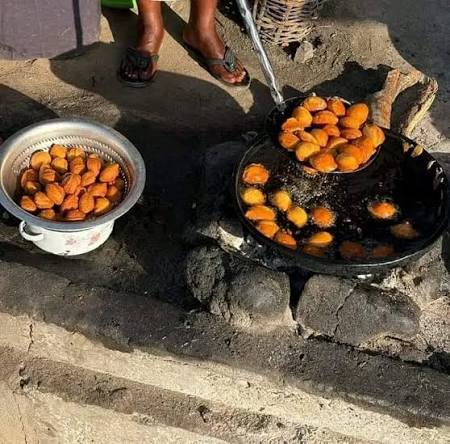
Let's clear something up before we go any further. There is absolutely nothing wrong with selling akara, roasting corn, or making kuli-kuli.
As a matter of fact, these businesses have put food on tables, paid school fees, and sustained families through difficult times. Honest work is honest work, and every Nigerian who earns a living with dignity deserves respect.
But that's not the conversation many people thought we were having.
The issue is not whether these businesses are respectable. It is whether they should become the picture of hope we paint for millions of young Nigerians.
Should a graduate spend years in school only to discover that survival has become the highest ambition the economy can offer?
Should talented young people keep lowering their expectations because opportunities keep shrinking?
Entrepreneurship is something we should celebrate. It drives innovation, creates jobs, and grows economies. But the best entrepreneurs succeed because they spot opportunities, not because they are left with no other choice.
There is a world of difference between building a business out of passion and building one simply because every other door appears closed.
Nigerians Don't Need More Hustle—They Need an Economy That Works
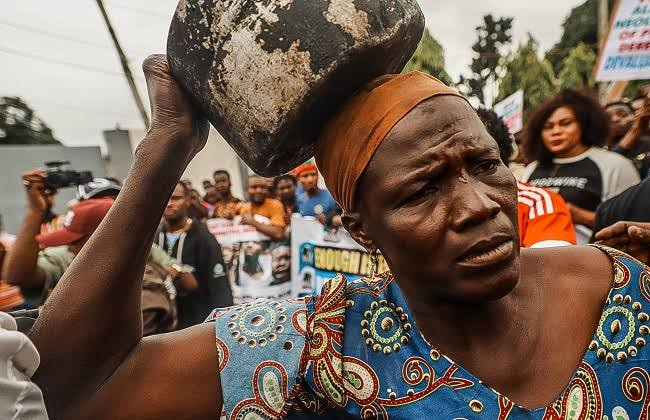
Sometimes, we talk as though Nigerians are struggling because they don't want to work. But if there is one thing we've never lacked, it is hustle.
Every morning, markets open before sunrise, buses are on the road before dawn, even shop owners unlock their doors hoping today's sales will be better than yesterday's. Young Nigerians juggle multiple jobs, freelancers chase clients late into the night, and small business owners stretch every naira just to keep their doors open. We are already putting in the effort.
The real problem is that working hard has become harder than it should be.
We've watched food prices rise faster than incomes. Transport fares seem to increase every other week, many business owners now spend more on fuel and generators than they do on growing their businesses. Families are constantly adjusting budgets, cutting back on essentials, and wondering how far the next salary will go.
To be fair, the First Lady's remarks were made while discussing grants under the Renewed Hope Initiative, which she said were designed to help vulnerable Nigerians start small businesses. She also highlighted other interventions, including support for healthcare, education, agriculture, and disaster relief. Those efforts deserve recognition because assistance for vulnerable citizens is important.
But that is also where many people believe the conversation should not end. Grants and empowerment programmes can provide immediate relief, but they cannot replace the responsibility of building an economy where businesses can thrive without fighting against poor infrastructure, inconsistent policies, insecurity, and rising operating costs.

A grant may help someone start a business but good governance is what helps that business survive.
Why the Remarks Resonated Beyond Social Media
That is why the remarks struck such a chord.
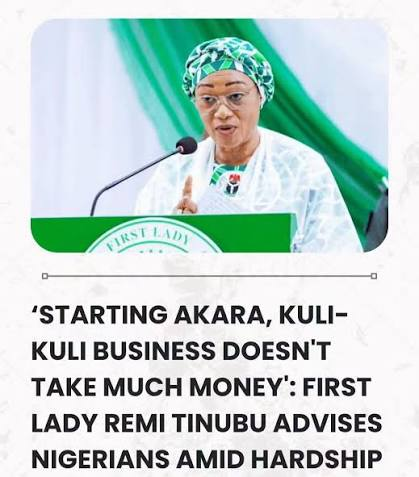
Many Nigerians were not offended because they looked down on akara sellers. They were disappointed because the comments seemed, to them, to lower the ceiling of what leadership should aspire to deliver.
At a time when people are hoping to hear about policies that will create jobs, attract investment, reduce the cost of doing business, and restore confidence in the economy, advice centred on survival businesses was always likely to be received differently.
Leaders cannot always control how their words are interpreted, but they must appreciate the realities through which those words are heard. When people are struggling to pay rent, afford healthcare, or keep their businesses afloat, even well-intentioned encouragement can sound disconnected if it does not acknowledge the weight of those daily burdens.
Perhaps that is the real lesson from this debate. It wasn't just about what was said, it was about what millions of Nigerians feel has been left unsaid.
Beyond Survival: The Leadership Nigerians Are Asking For
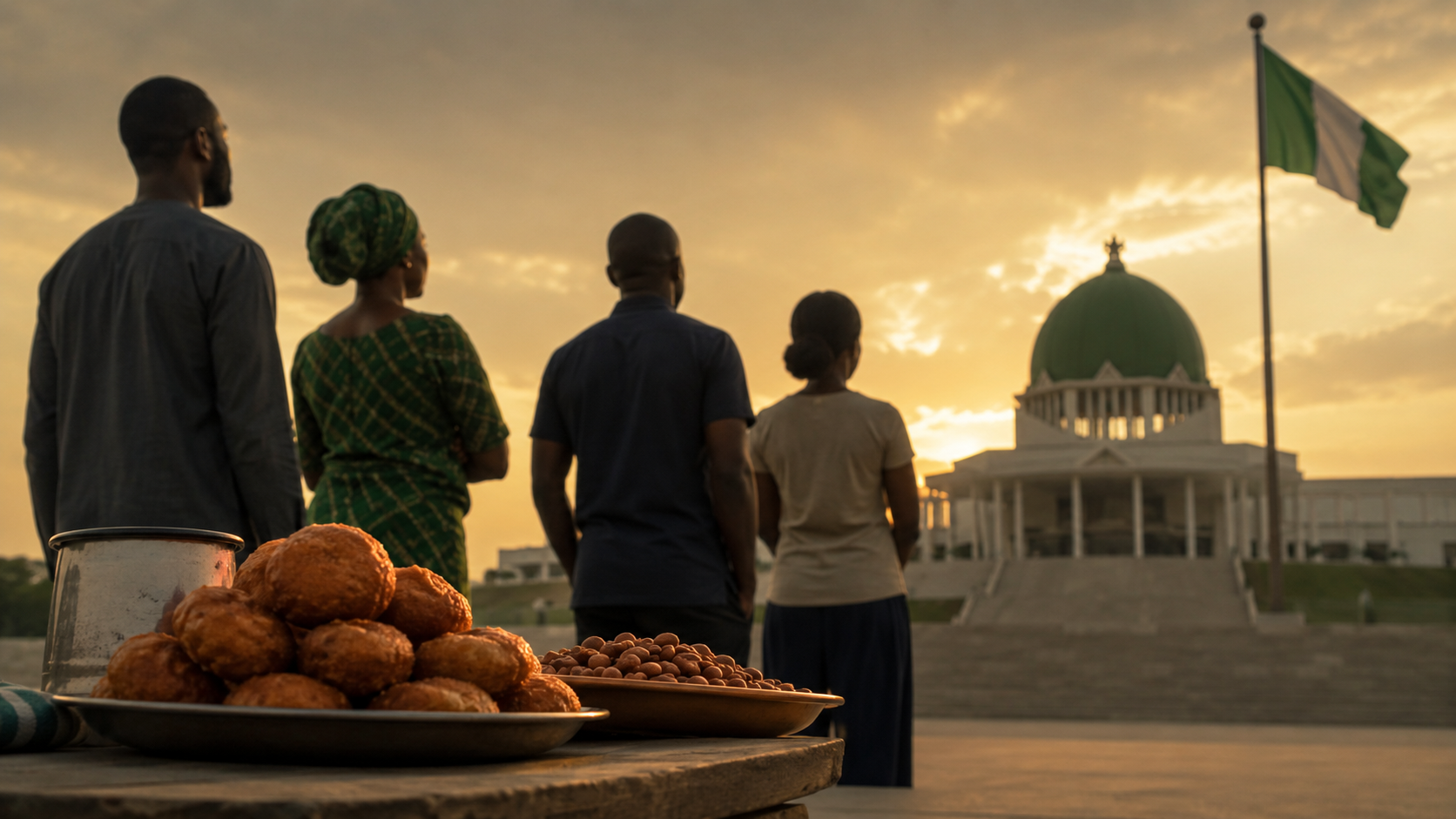
The leadership many Nigerians are asking for goes beyond distributing grants or encouraging resilience. It is leadership that makes it easier to start and grow a business, provides reliable electricity, improves security, supports quality education, attracts investment, and rewards enterprise. Those are the foundations upon which lasting prosperity is built.
There will always be dignity in selling akara, there will always be dignity in roasting corn, making kuli-kuli, or doing any honest work. But there should also be dignity in dreaming beyond survival.
What many are asking for now is a country where those efforts are matched by an economy that opens doors instead of narrowing them.
We are asking for an economy where hard work once again leads somewhere.
That is the kind of hope no grant can replace, and the kind of leadership a nation of over 200 million people deserves.