Beds for Newlyweds, Streets for Almajiri Children: What Are Northern Governments Prioritising?
Kano’s N1.5bn mass wedding raises questions about northern governments’ priorities as Almajiri children remain out of school, on streets and vulnerable to poverty and insecurity.
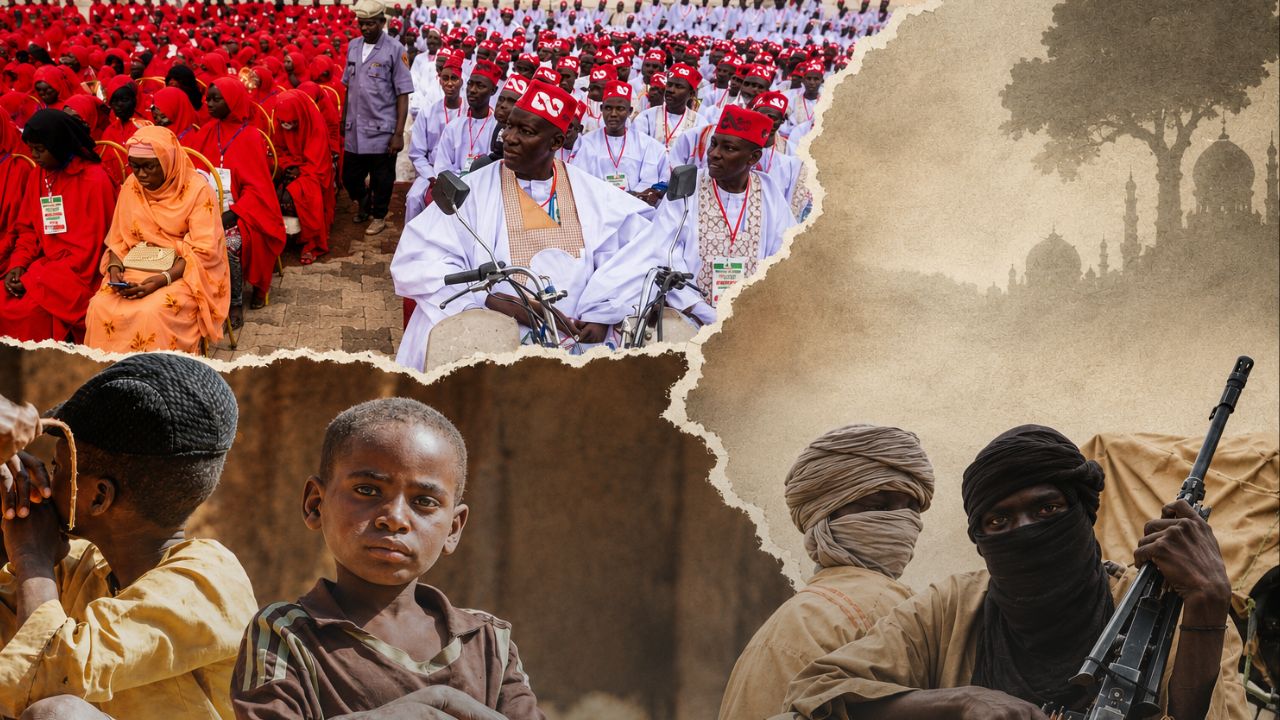
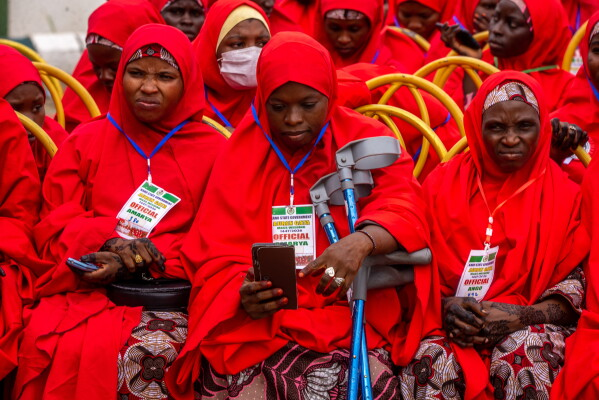
On August 8, the Kano State Government hosted a mass wedding for 1,500 couples, with N1.5 billion budgeted for the event. Each couple received N100,000 as dowry, another N100,000 as a business capital grant, alongside furniture, beds, mattresses, food items and free medical screening.
Governor Abba Kabir Yusuf called it a fulfilled campaign promise. Northern commentators called it generosity. I call it a masterclass in misplaced priorities and a clear view of why the outlook of the region is what it is today.
A Billion Naira for Beds, Almost Nothing for Books
Nobody is trying to withhold low-income couples a chance to marry with dignity. However, governance is about choices, and choices reveal what is being valued.
A state government that can use N1.5 billion to fund weddings and furniture in a single event has decided marriage promotion matters more, right now, than fixing that particular crisis, where millions of children have no school to walk into, that is quietly rotting its future.
And, this is not even a novel programme. Kano ran a similar mass wedding for about 1,800 couples in 2023, and it is slowly becoming a flagship social programme, while the region's most urgent emergency, the Almajiri system, is left to charities, NGOs and the occasional government press release.
The Almajiri Crisis the Wedding Budget Ignored
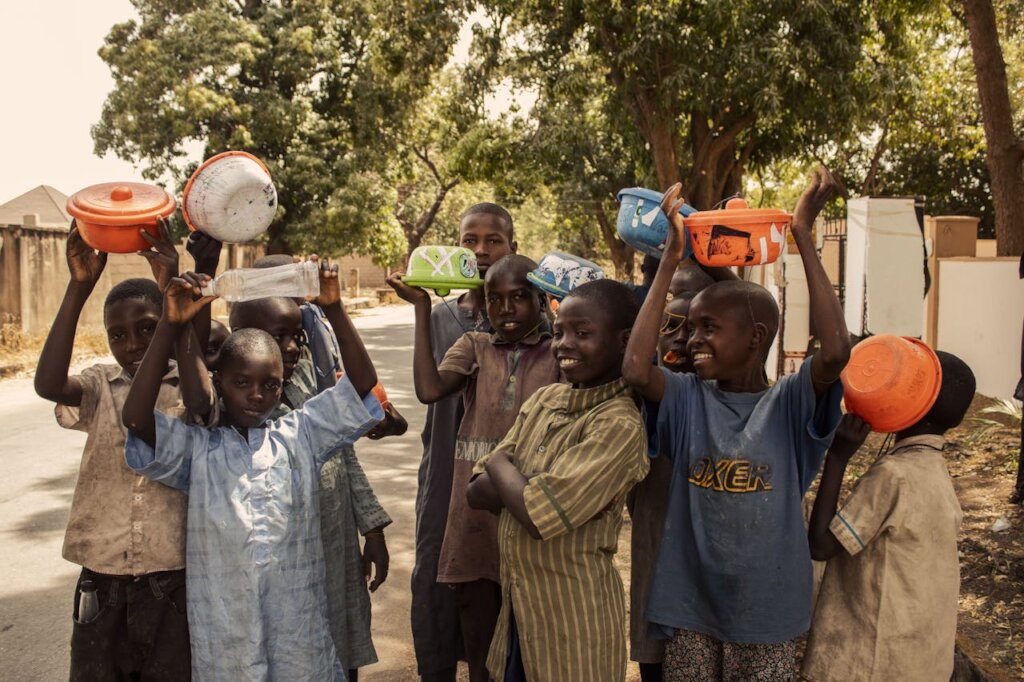
Northern Nigeria is home to the overwhelming majority of the country's out-of-school children. Nigeria has roughly 18.3 million children out of school and estimates suggest close to 10 million of them, about 81%, are Almajiri.
These are young boys sent away by their families, often as young as four, to study under a mallam who has no reliable income to feed or shelter them. Many survive by begging on the street.
I wrote, some months back, about how this once-noble Quranic education tradition collapsed into a system of exploitation and neglect and nothing about that reality has changed since.
States like Kano, Sokoto, Katsina and Jigawa carry the heaviest Almajiri populations in the country.
Sokoto alone has been documented with well over 249,000 Almajiri and out-of-school adolescents. Kano, the same state now celebrated for its lavish wedding programme, has the highest concentration of Almajiri and out-of-school children of any state in Nigeria.
These are not just numbers that appear on paper. They are children who grow into teenagers with no literacy, no vocational skill and no stake in the society around them. Some become touts. Some become easy recruits for bandits and insurgents who offer food, money and belonging that the state never did.
Security researchers have long drawn a straight line between the Almajiri pipeline and the participants of northern Nigeria's banditry and terrorism economy. A government that spends billions performing weddings while this pipeline runs uninterrupted continues to encourage and decorate one.
Population Growth Without Productivity Is Not Progress
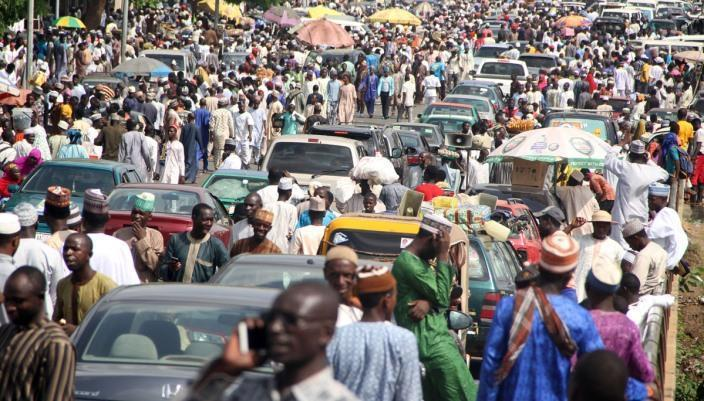
Mass weddings encourage more marriages, and in a region already battling Nigeria's highest fertility rates, more marriages culturally mean more children, faster.
That might be defensible if the region had the schools, hospitals and jobs to absorb that growth. It does not. Northern Nigeria already produces the majority of Nigeria's out-of-school children and a disproportionate share of its poorest households.
Encouraging faster population growth without first fixing education and job creation is the unwise stacking of more people onto a system already failing the people it has.
Real economic growth does not come from the number of people in the state. It comes from productivity where educated, healthy and employed citizens contribute to and draw from a functioning economy.
A teenager who can read, code or run a trade is an asset. A teenager who spent his childhood begging on a Kano street corner, with no schooling and no skill, is a liability the state built with its own inaction, and sometimes, as we are seeing, with its own budget priorities.
What the North Contributes Versus What It Receives
Kano is the most populous state in the north and one of its commercial engines, yet, it still trails far behind Nigeria's oil-producing and southern commercial states in federation revenue.
In the first half of 2025, states like Delta, Rivers, Lagos, Akwa Ibom and Bayelsa each pulled in hundreds of billions of naira from the federation account, while Kano, despite its size, ranked sixth nationally.

Lagos alone generates well over N1 trillion in internally generated revenue yearly, dwarfing what most northern states raise on their own.
Several northern states, including Jigawa and Zamfara, rank among the weakest in internally generated revenue and fiscal independence nationwide, depending almost entirely on monthly federal handouts to function.
We can draw from this a conclusion that the north is not short of revenue because it lacks population or market size but because it has not built the industry or human capital to convert its size into output.
Instead of using scarce allocations to build that capacity through schools, skills centres and security, states like Kano are spending it on ceremonial welfare projects.
Insecurity Is the Bill Coming Due
If we look at the numbers of the northern region's insecurity situation, it is quite alarming. Conflict killed over 11,000 people across Nigeria in 2024 alone, most of it concentrated in Borno, Zamfara, Katsina and other northern states.
Banditry incidents nearly doubled in 2025, with thousands of casualties and an estimated 30,000 armed gang members roaming largely ungoverned rural territory.
This is not unrelated to the almajiri crisis or weak education investment. A region that produces millions of unschooled young men every year, and fails to secure or employ them, is manufacturing its own insurgency.
Redefining Priorities
Northern governments do not lack money. Kano's N1.5 billion wedding budget alone could bring about a real reform with teacher training, feeding programmes, or integrated Almajiri schools. What the region lacks is the political will to spend where the crisis actually is.
Weddings do not build economies. Educated, secure, employed citizens do. Until northern Nigeria's leaders start funding classrooms with the same enthusiasm they fund ceremonies, beds for newlyweds will keep arriving while almajiri children keep sleeping on the street, and the region will keep growing in number while shrinking in real progress.
The choice in front of northern governors is not so complicated. It is a matter of what gets counted as an achievement: a thousand wedding photographs make for a good afternoon of news coverage or a generation of literate, skilled and employed young people build an economy that can stand on its own and defend itself without waiting on federal soldiers or foreign aid.
Nigeria's north has the population and resilience to lead the country's next phase of growth. What it needs now is leadership willing to spend its billions on that future instead of on the optics of today.