The Almajiri System: How A Noble Islamic Education Tradition Became A National Crisis
An in-depth look at Nigeria’s Almajiri system—how a once-noble Islamic education tradition collapsed into a humanitarian, security, and national development crisis, and what real reform could look like.
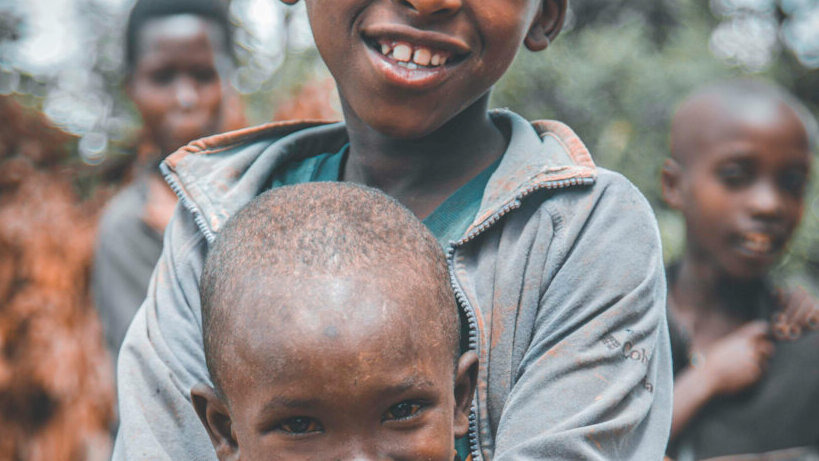
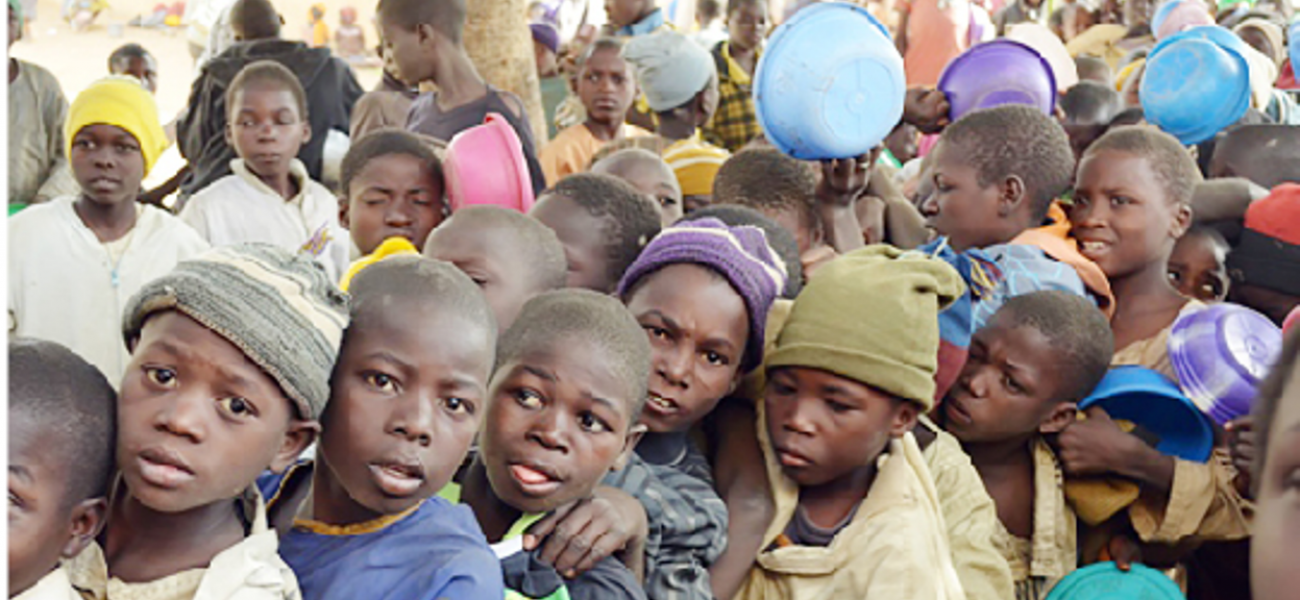
Walk through any major city in Northern Nigeria and you will see them: boys as young as 5/6 with worn plastic bowls, reciting Quranic verses between requests for alms. You would see them hanging around restaurants and roadside food sheds waiting for the leftovers.
These are the Almajiris. These are the children caught in an educational system that once produced scholars but now produces some of the country's most vulnerable citizens.
From Seekers of Knowledge to Street Beggars
The word "Almajiri" comes from the Arabic "al-muhajirun," referring to migrants who left home to seek knowledge. And for centuries, that is exactly what it was. It was a respected tradition where young boys traveled to study under renowned Islamic scholars.

Parents sent their sons to these schools with pride, knowing they would return educated in Islamic jurisprudence, Arabic, and the moral framework to become community leaders.
The system worked because communities made it work. Families took turns feeding students. Scholars, or mallams, were revered and supported. Students farmed during planting seasons and studied during harvests.
It was not so perfect, but it was sustainable, dignified, and produced generations of learned men who went on to become judges, teachers, and advisers.
The Colonial Fracture
Then came colonialism, and with it, a shift. The British introduced Western education, creating a dual system that would have lasting consequences. Suddenly, there were two paths: the colonial schools that led to government jobs and economic opportunity, and the traditional Islamic schools that led to religious knowledge but increasingly little else.
Over time, economic power shifted toward those with Western education, and the Almajiri system found itself marginalized.
But the real unraveling happened after independence. Nigeria's population grew, and Northern Nigeria could not keep pace. Urbanizationpulled people away from the agricultural communities that had supported students.
Economic hardship meant fewer families could afford to feed extra mouths, even for religious merit. The number of Almajiri schools mushroomed, but without regulation or resources. What had been a structured educational tradition devolved into something else entirely.
The Crisis Today: Numbers Don't Lie
Today, estimates suggest there are over 10 million Almajiri children in Nigeria, though exact numbers are hard to pin down. Many live in conditions that would shock the system's founders. Crowded into makeshift shelters with barely enough food, they spend their days begging on the streets rather than studying.
Even their religious education, the whole point of the system, is often inadequate. And they don’t possess secular education. Most can't read or write in English, struggle with basic numeracy, and have no skills for Nigeria's modern economy.
The humanitarian crisis is staggering. Malnutrition is common. Healthcare is non-existent. These children are vulnerable to every kind of exploitation, from labour trafficking to sexual abuse.
They are targets for recruitment by extremist groups like Boko Haram, who offer food, purpose, and belonging to boys who have nothing. During elections, they are mobilized as political thugs. In Northern cities, they are associated with petty crime and gang violence, fair or not.
Why Everyone Should Care
Culture
Read Between the Lines of African Society
Your Gateway to Africa's Untold Cultural Narratives.
This is not just another Northern problem. It is a national crisis with national implications. An entire generation is growing up without education, without opportunity, locked into cycles of poverty that will echo for decades.
The economic cost is enormous. The security threat is real. The human cost is incalculable.
Governments have tried to fix this. Model Almajiri schools were built to integrate Islamic and Western curricula. Some states banned street begging. International organizations stepped in with programs.
But most initiatives have failed or stalled, victims of insufficient funding, lack of political will, and cultural resistance from communities who see Western education as a threat to Islamic values.
And they are not entirely wrong to be cautious. Any solution that dismisses the legitimate desire to preserve Islamic education and values is doomed from the start. The goal should not be to replace the Almajiri system but to reclaim its original dignity while adapting it for the 21st century.
What Real Solutions Look Like

In the short term, real solutions means getting these children off the streets, feeding them, and protecting them. Emergency interventions can't wait for perfect long-term solutions.
But real change requires structural reform that respects both tradition and reality. Curriculum integration that teaches mathematics and science alongside Quranic studies. Regulated, well-resourced schools with trained teachers who are actually paid. Infrastructure that gives children safe places to learn and sleep. Community engagement that brings parents, religious leaders, and traditional rulers into the process as partners, not obstacles.
Countries like Mauritania and Senegal have grappled with similar systems and found ways to modernize without abandoning their Islamic educational heritage. Nigeria can too, but it requires genuine commitment from all stakeholders.
A Path Forward Worth Taking
The Almajiri system's transformation from noble tradition to national crisis was not inevitable. It was the result of specific historical forces, policy failures, and societal changes. Which means it can be reversed.
Not back to some romanticized past, but forward to something that honours the tradition's roots while giving these children what they actually need: knowledge, both religious and secular, dignity, opportunity, and hope.
Those boys with plastic bowls deserve better than what we have given them. They deserve what the Almajiri system once promised. They deserve the path to becoming learned, capable men who contribute to their communities. We know it is possible because we have already done it before.
The question is whether we have the will to do it again.