Banking Titan Declares War: Jamie Dimon Blasts Clarity Act, Slams Coinbase CEO
JPMorgan Chase CEO Jamie Dimon has fiercely opposed the Clarity Act, a pending crypto market structure legislation, calling it a threat to the financial system. He criticized the bill for allowing crypto firms to operate like banks without adhering to traditional financial regulations, while also singling out Coinbase CEO Brian Armstrong for his lobbying efforts. Dimon's stance signals an uncompromising battle against the proposed legislation, aligning with other major banking institutions.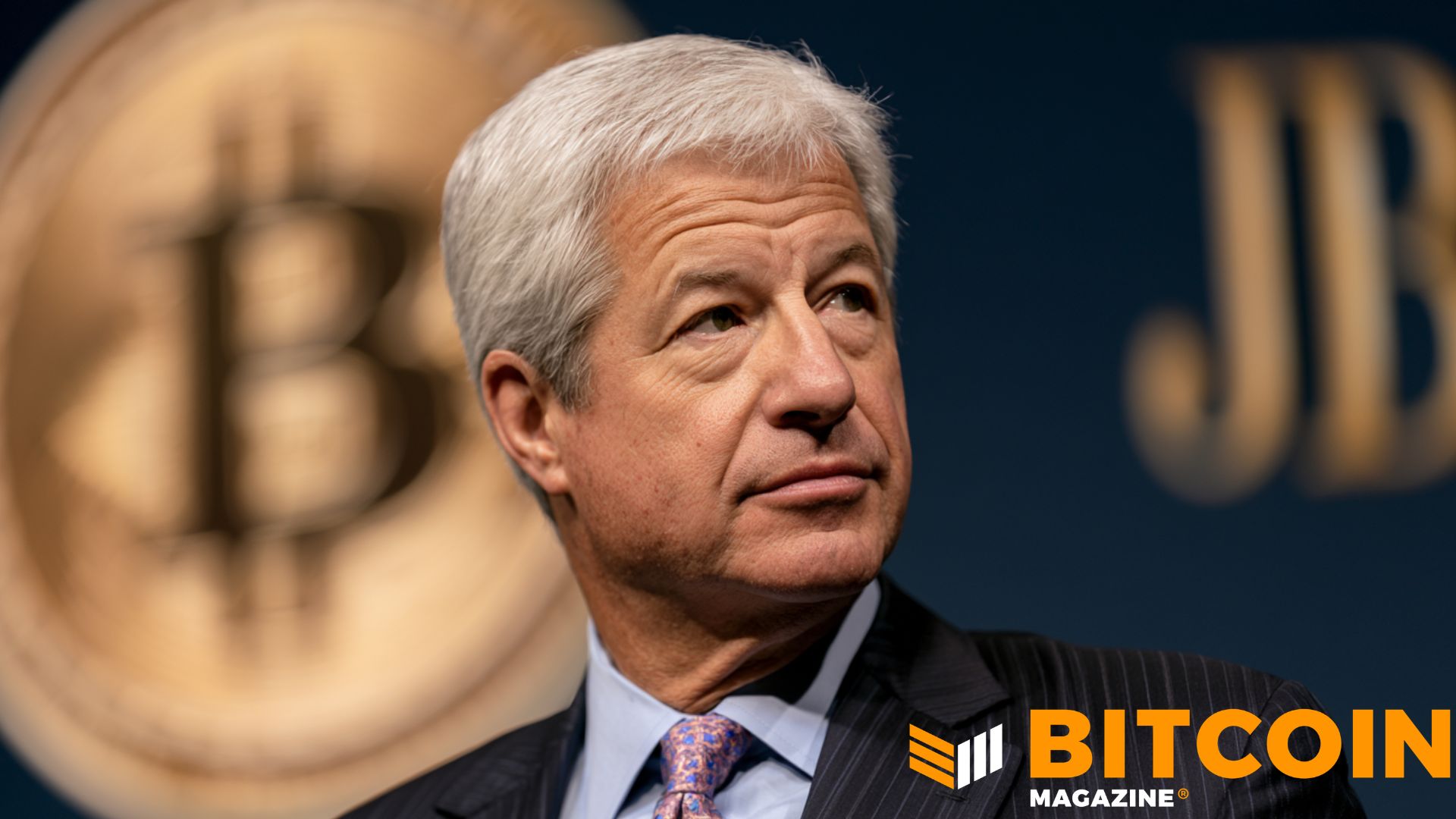
JPMorgan Chase CEO Jamie Dimon has unequivocally declared war on the Clarity Act, a pending crypto market structure legislation, asserting its current form is "dead on arrival." In a recent Fox Business interview, Dimon launched a scathing critique of the bill, labeling it a grave threat to the established financial system and an undue privilege for an industry seeking the benefits of banking without its inherent responsibilities and protections.
Dimon's primary concern revolves around the bill's potential to allow cryptocurrency firms to offer services akin to traditional banking, specifically permitting them to "effectively pay interest on deposits — stablecoins or something like that — without the protection that they should have." He argued that the Clarity Act, as written, offers "almost no legal protections," creating a hazardous environment for consumers and the broader economy. His core argument is straightforward: if a crypto platform operates and presents itself like a bank, it must be subjected to the same stringent regulatory framework. This includes essential safeguards such as Anti-Money Laundering (AML) compliance, Bank Secrecy Act (BSA) obligations, Federal Deposit Insurance Corporation (FDIC) insurance, robust capital requirements, and strict liquidity rules, all of which are the bedrock of financial oversight for traditional banks. Dimon contends that the Clarity Act would allow crypto firms to bypass these crucial regulatory burdens entirely.
A central point of contention in this dispute is the issue of stablecoin rewards. Traditional banks express deep concern that permitting crypto exchanges to remunerate customers for holding stablecoins would inevitably accelerate a significant exodus of deposits from conventional financial institutions. This, they argue, poses an existential threat to the business model that has underpinned American banking for over a century. Conversely, crypto proponents view such incentives as a natural and necessary evolution of modern payments infrastructure, fostering innovation and efficiency.
Beyond the competitive landscape, Dimon also raised serious alarms regarding the Anti-Money Laundering implications of cross-border stablecoin payments. He illustrated this concern by stating, "The first one may be legitimate, the second one may be a sex trafficker," highlighting the difficulty in tracing funds. He explained that once money enters a digital wallet overseas, it can rapidly transfer to multiple subsequent wallets, creating a labyrinthine trail with "no visibility and no accountability." This, according to Dimon, represents a significant, unresolved risk lurking beneath the widespread optimism surrounding stablecoin utility and adoption.
However, it was Coinbase CEO Brian Armstrong who bore the brunt of Dimon's most forceful criticism. Dimon accused Armstrong of orchestrating a costly lobbying campaign, allegedly spending "hundreds of millions of dollars in Washington" to push the Clarity Act through. With blunt and unambiguous language, Dimon asserted, "No one is going to bow down to this guy," going as far as to call Armstrong "full of sh*t." These remarks echo similar sentiments Dimon expressed earlier this year at the World Economic Forum in Davos, underscoring his consistent and deeply held opposition.
JPMorgan Chase stands far from alone in this battle. A formidable coalition, including the American Bankers Association, numerous community banks, and credit unions, has aligned in staunch opposition to the Clarity Act's current formulation. Dimon explicitly framed this struggle as a "fight — not a negotiation." He concluded with an unyielding pledge: "We’ll fight it. If we lose, we lose. But it will be fought." This statement underscores the banking industry's resolve to challenge the proposed legislation, signaling a potentially protracted and intense showdown in Washington.