Are We Becoming a Society That Settles for Survival Over Well-Being?
Survival has become the measure of success for many, but well-being is often ignored. This opinion piece reflects on how we prioritize endurance over living fully and why it matters for individuals and society.
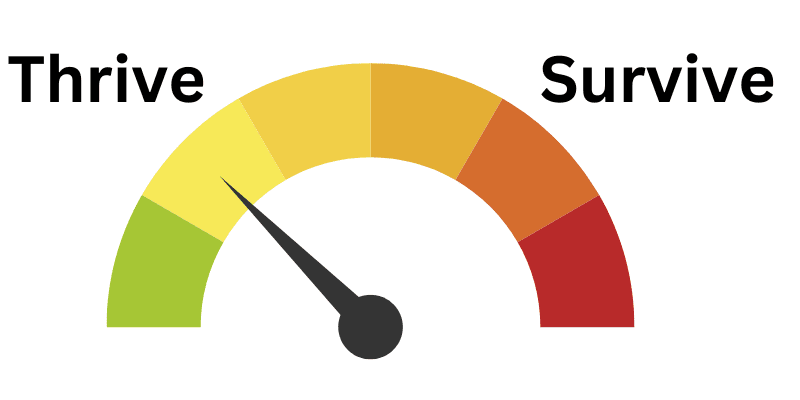
I don’t know about you, but sometimes I feel like we’ve been trained to celebrate survival more than living. Every day, people I see — friends, neighbors, colleagues, family members are just trying to make it through. Wake up. Pay rent. Buy food. Take care of bills. Repeat. And somewhere along the line, it seems like we forgot that life is supposed to be more than that.
Look, survival is important. We can’t deny that. But when surviving becomes the standard for success, it feels like we are quietly lowering our expectations for what life should be. I see young people juggling multiple jobs, parents sacrificing sleep and health to provide for their children, friends skipping meals or personal care just to pay rent. And the story isn’t just numbers, it is the faces, voices, quiet struggles that nobody really talks about.
We live in a society where endurance is admired. “You survived that week? Good job!” “You’re still standing after everything? Respect.” And while resilience is admirable, it also feels like a subtle message that simply getting by is enough. That happiness, mental health, joy, or comfort are luxuries we shouldn’t prioritize. That thriving is for someone else, somewhere else, at some other time.
Look at the cost of living. Prices rise, wages stagnate, and for many, the math barely works. According to the World Bank, inflation is still a major challenge, and households are constantly recalculating, compromising, and cutting corners just to make ends meet. The practical side of survival is clear, we need food, water, housing, and electricity. But the emotional and personal cost? That’s rarely talked about. People skip doctor appointments, ignore mental health struggles, postpone hobbies or learning, and squeeze out any time meant for rest or enjoyment. We are always busy surviving.
I watch this with friends and family, too. Someone might work three jobs, barely see their kids, rarely sleep properly, and we say, “Look how hard they work. They’re doing well.” But are they living well? Are they happy, fulfilled, emotionally cared for? Or are they just surviving? And worse, do they even feel like they can aim for anything beyond survival without guilt?
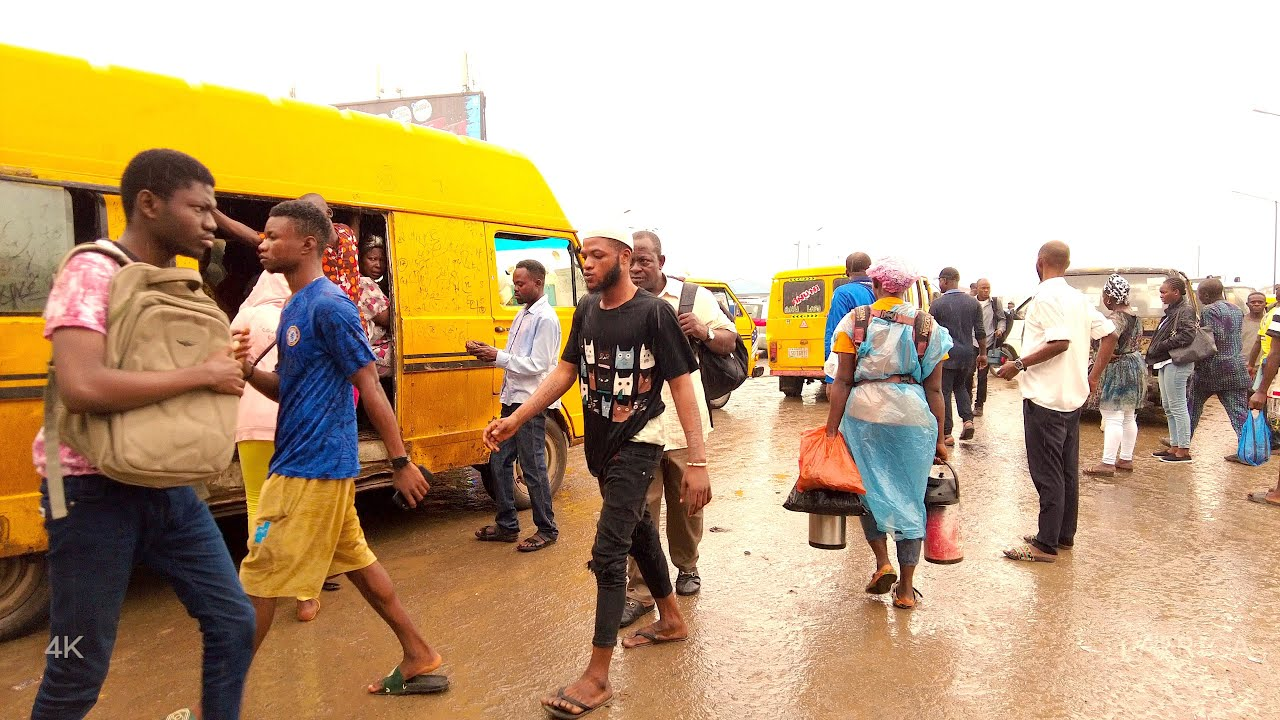
It’s not just about finances, either. Work culture pushes us to keep moving, no matter what. Contracts are informal, pay is inconsistent, and job security is a dream for many. The ILO estimates that millions are caught in informal or unstable jobs, which means we live with constant worry. That worry feeds the survival mindset. And we pass it on. Children grow up thinking surviving is the peak of achievement. Adults think sacrificing everything for money or status is noble. Life itself becomes transactional, stripped of enjoyment, purpose, and even basic rest.
And yes, society sometimes celebrates these survival stories. “They’ve been through a lot and they’re still standing!” we say. But I ask, standing how? Is it joyless endurance? Is it stress-filled persistence? Or is it meaningful resilience, where we still have the capacity to laugh, rest, and dream? Somehow, the stories we hear too often blur the line between the two.
It’s also about mental health. Anxiety, depression, burnout they’re not just statistics. They are real, lived experiences. The World Health Organization notes that prolonged stress and financial pressure are major contributors to mental health struggles in Africa. And yet, seeking help is often framed as weakness or indulgence. We keep telling ourselves, “I have to survive first. There will be time to heal later.” But the latter doesn’t always come.
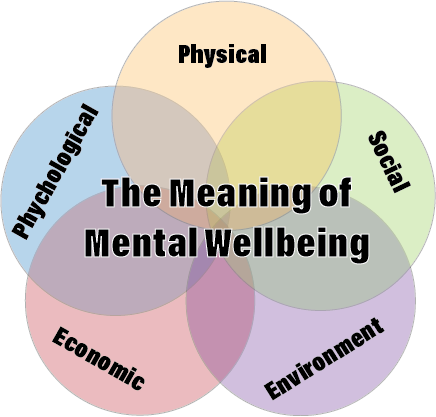
So what do we do? How do we change this quietly accepted standard? Well, we start by acknowledging it. By noticing that surviving is not the same as thriving. That getting by should not be our measure of success. That well-being- mental, emotional, physical, and social, is just as important as keeping the lights on.
Some things are beyond individual control. Policies, wages, infrastructure, these matter. But there are personal choices, too. Celebrating small joys. Valuing relationships, rest, and hobbies. Creating spaces where people can share without judgment, where happiness isn’t a luxury. Even tiny acts, like taking a break or learning a skill, become radical if survival has been normalized as the only goal.
I think about the future. Are we raising a society where survival is the trophy, and living fully is optional? Or can we start teaching each other in families, communities, workplaces that well-being matters? Does that joy matter? That taking care of yourself is not selfish, but necessary? Because if we keep measuring life only by endurance, what we miss is life itself.
At the end of the day, survival is important, yes. But it cannot replace living. We must stop telling ourselves that just making it through the week is enough. We must start valuing mental health, rest, community, joy, and personal fulfillment. Otherwise, we risk a society of exhausted people who know how to cope but forget what it means to live.
Life is supposed to be more than surviving. And I am not afraid to say it: we need to start caring about living again.