Aliko Dangote: Africa’s Industrial Giant and Economic Influence
Aliko Dangote’s rise from trader to industrial giant shows how his businesses are building Africa’s economy, manufacturing, and energy future.
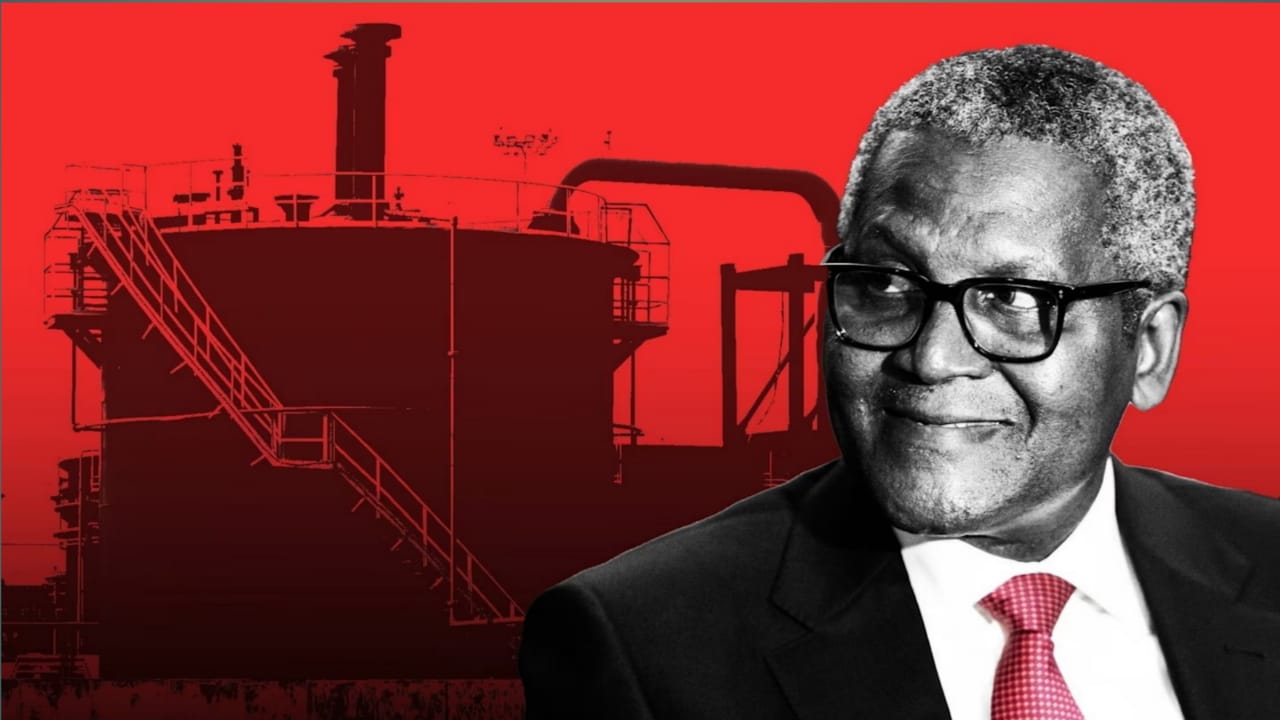
Aliko Dangote’s name is almost synonymous with African industry.
Frequently ranked byForbes as Africa’s richest man with a net worth of $23.9B, Dangote’s influence extends far beyond personal wealth.
He has become a symbol of African-led industrialization, a proof that large-scale production is possible on the continent.
His business journey mirrors Africa’s broader struggle and determination to industrialize on its own terms.
Fuact: Despite being Africa’s richest man, Aliko Dangote is known for his simple personal lifestyle and has often said he prefers focusing on work rather than luxury or public display.
Early Foundations of an Industrial Vision
Born in 1957 in Kano, northern Nigeria, Dangote was raised in a family deeply rooted in commerce.
His grandfather was a prominent trader, and business was part of everyday life.
That early exposure shaped his understanding of trade, risk, and opportunity.
After studying business at Al-Azhar University in Cairo, Dangote returned to Nigeria in the late 1970s with a modest loan from his uncle.
He began by trading commodities such as sugar, rice, and cement, products Nigeria relied heavily on importing at the time.
What started as a small trading venture soon revealed a larger insight: Africa was spending billions importing goods it could produce locally.
The Shift That Changed Everything
The defining moment in Dangote’s career came when he made a strategic shift from trading to manufacturing.
Rather than importing finished goods, he chose to invest in factories.
That decision led to the rise ofDangote Cement, now the largest cement producer in Africa.
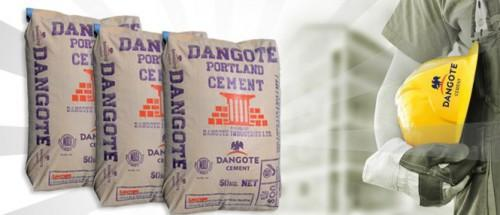
Cement, a basic ingredient for housing and infrastructure, became the backbone of Dangote’s industrial expansion.
Over time, theDangote Group expanded into sugar refining, flour milling, salt processing, and fertilizer production. Each venture followed a consistent strategy: produce locally, operate at scale, and compete globally.

The most ambitious of these projects is theDangote Refinery, located in Lagos.
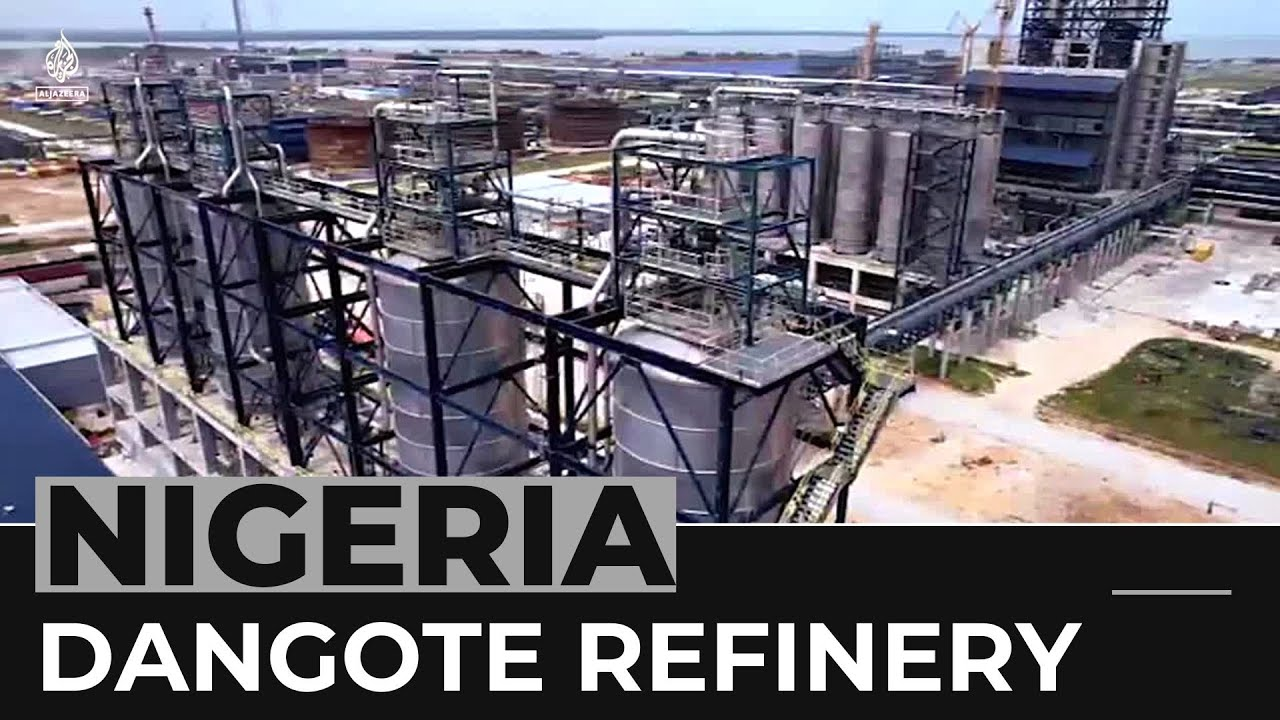
Once fully operational, it is expected to significantly reduce Nigeria’s dependence on imported fuel, a long-standing paradox for one of Africa’s largest oil producers.
For Dangote, the refinery is not just a business venture but a statement about energy security and industrial independence.
Did You Know? — Aliko Dangote once said his biggest risk was building Africa’s largest oil refinery from scratch, calling it “the most challenging project of my life.”
Economic Influence Beyond Borders
Dangote’s impact is felt across Africa.
His companies employ tens of thousands of people directly and support many more through supply chains, logistics, and services.
Governments benefit from tax revenues, while local economies gain from infrastructure development and skills transfer.
By producing cement, fertilizer, and fuel locally, Dangote’s businesses help conserve foreign exchange and stabilize national economies.
Leadership, Risk, and Long-Term Thinking
Known for his disciplined and patient approach, Dangote often emphasizes long-term thinking over quick returns.
Many of his projects take years, sometimes decades to mature.
He reinvests heavily, betting on Africa’s future demand driven by population growth and urbanization.
Dangote has been vocal about the challenges of doing business in Africa, including weak infrastructure and policy inconsistency.
Yet he remains optimistic, frequently arguing that Africa’s size and demographics make it one of the world’s most promising markets.
Little known fact: Dangote has often said that his mother was his biggest influence, encouraging discipline and patience—values he credits for his long-term business success.
Beyond business, Dangote is a major philanthropist through theDangote Foundation.
The foundation focuses on health, education, nutrition, and economic empowerment across Africa.
It has supported initiatives in disease prevention, food security, and emergency relief, reflecting Dangote’s belief that wealth should contribute to social development.
Praise, Power, and Criticism
Dangote’s dominance has not come without scrutiny.
Critics have raised concerns about market concentration and competition in sectors where his companies operate at scale.
Dangote has consistently defended his model, arguing that Africa needs strong industrial champions to compete globally.
He maintains that effective regulation, not limited ambition, is the key to balanced economic growth.
As Africa continues to pursue economic diversification and self-reliance, Aliko Dangote remains at the center of that story.