Algeria's Iron Fist: Total Crypto Ban Sparks Jitters, Jail Time Looms for Offenders!
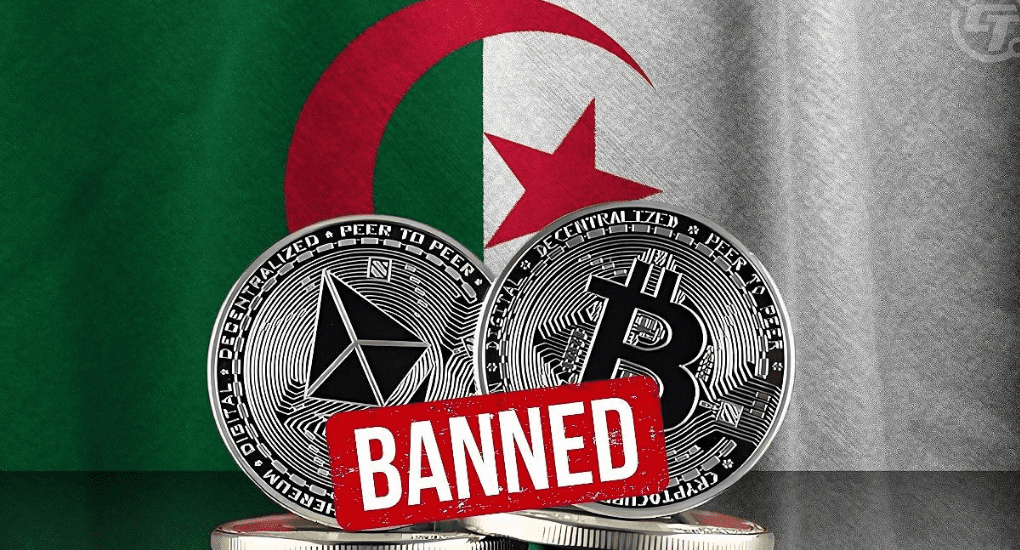
Algeria has enacted a sweeping ban on all cryptocurrency-related activities, solidifying its stance against the global digital asset boom. The newly amended Law No. 25-10, enacted on July 24, prohibits the issuance, sale, purchase, possession, use, promotion, trading, holding, and mining of all crypto assets, including prominent ones like Bitcoin and Tether. Violators of this strict legislation face severe penalties, including imprisonment for up to one year and fines reaching $7,700.
Authorities in Algeria cite significant concerns as the drivers behind this aggressive crackdown. Primary among these are fears regarding money laundering, terrorism financing, and potential economic instability. The move aligns with guidelines from the Financial Action Task Force (FATF), which advocates for global financial crime prevention. The government also aims to protect the national grid and financial system from unregulated activities, particularly given the observed growth of crypto use among Algerian youth, especially in southern regions, where low electricity costs have fueled off-grid mining operations.
This is not Algeria's first foray into restricting cryptocurrencies; the country initially imposed restrictions in 2018 under its existing financial laws. However, the latest ban significantly expands the scope, now explicitly criminalizing mining, the use of digital wallets, and the operation of crypto exchanges, signaling a much more aggressive and comprehensive approach.
Algeria's decision is part of a broader, yet divided, trend across the African continent regarding cryptocurrency regulation. Several other African nations have previously imposed similar bans. Egypt, for instance, banned cryptocurrency trading in 2018 due to anti-money laundering concerns, with its religious body, Dar al-Ifta, also declaring crypto 'haram' (forbidden) due to its speculative nature. Morocco followed suit in 2017, prohibiting digital currencies as legal tender and introducing fines to shield consumers from market volatility.
However, the effectiveness of such bans has been questioned by historical examples. Nigeria, despite banning cryptocurrency exchanges in 2021, faced challenges in enforcement, leading many users to turn to peer-to-peer platforms. Similarly, China's 2021 crypto ban saw trading shift to decentralized networks, suggesting Algeria might face a similar outcome with enthusiasts moving to underground networks. Conversely, other African nations have embraced digital assets. The Central African Republic made headlines in 2022 by adopting Bitcoin as legal tender and later launching its official memecoin, $CAR, championing real-world use cases. Even Nigeria, once hostile, is now exploring the potential of digital assets, highlighting Africa's contrasting approaches to this evolving technology.
For Algerians, the ban closes legal avenues for crypto participation, impacting those who relied on digital assets for remittances, particularly from the diaspora, and as an investment option amidst economic uncertainty. While Algerian officials, including the Bank of Algeria and the Banking Commission, plan to boost monitoring efforts, arguing the ban safeguards the economy from crypto's volatility and anonymity, the decision carries potential drawbacks. It risks deterring tech investment and blockchain development, fields that thrive on crypto-friendly policies, potentially causing Algeria to fall behind nations that embrace the technology. The long-term consequences of this ban remain uncertain as the global crypto market, worth trillions, continues to challenge traditional finance.
You may also like...
AI's Hidden Cost: Data Centers' Thirsty, Polluting Footprint Rivals Nations
A United Nations University report warns that the environmental footprint of data centers, already comparable to large c...
UK Slams Google: Publishers Get Power to Block AI Content Scraping
UK regulators have ordered Google to provide news sites with an opt-out for AI content scraping, a global first aimed at...
Algeria's Iron Fist: Total Crypto Ban Sparks Jitters, Jail Time Looms for Offenders!
Algeria has enacted a comprehensive ban on all cryptocurrency activities, including trading, mining, and possession, wit...
Bitcoin Market Meltdown: Price Tumbles Below $62,000 Amid Accelerating Sell-Off
Bitcoin's price has plummeted to multi-month lows, crashing below $62,000 amid a 'perfect storm' of factors. Contributin...
Middle East Tensions Ease: Israel-Lebanon Ceasefire Renewed as Trump Presses for Iran Deal

The Trump administration has announced a ceasefire agreement between Israel and Lebanon, aimed at de-escalating regional...
Ukraine War Escalates: Russia Shifts to Air Strategy Amid Ground Losses, Analysts Claim

Russia's battlefield failures are escalating its air raids on Ukrainian cities, while Ukrainian forces are making deep s...
Bafana Bafana Fever! Millions Tune In as World Cup Dreams, R200M Jackpot, and Mexico Memories Ignite!

The 2026 FIFA World Cup is generating buzz, especially around Bafana Bafana's opening match against Mexico at the iconic...
Pirates' Bold Moves! Coach's Emotional Message & Hot New Signings Shake Up Orlando's Squad!

Orlando Pirates see significant squad activity with Sipho Mbule's exit and the key signing of Siyanda Ndlovu, prompting ...