Israel–Lebanon Ceasefire Talks Advance Amid Renewed Strikes and Wider Regional Diplomatic Pressure
The Trump administration has announced a ceasefire agreement between Israel and Lebanon, aimed at de-escalating regional tensions and clearing a path for broader negotiations with Iran. However, the agreement faces immediate challenges, including continued hostilities and Hezbollah's non-participation in the talks, highlighting the fragile nature of peace efforts amid ongoing conflicts in Lebanon, Kuwait, and near the Strait of Hormuz.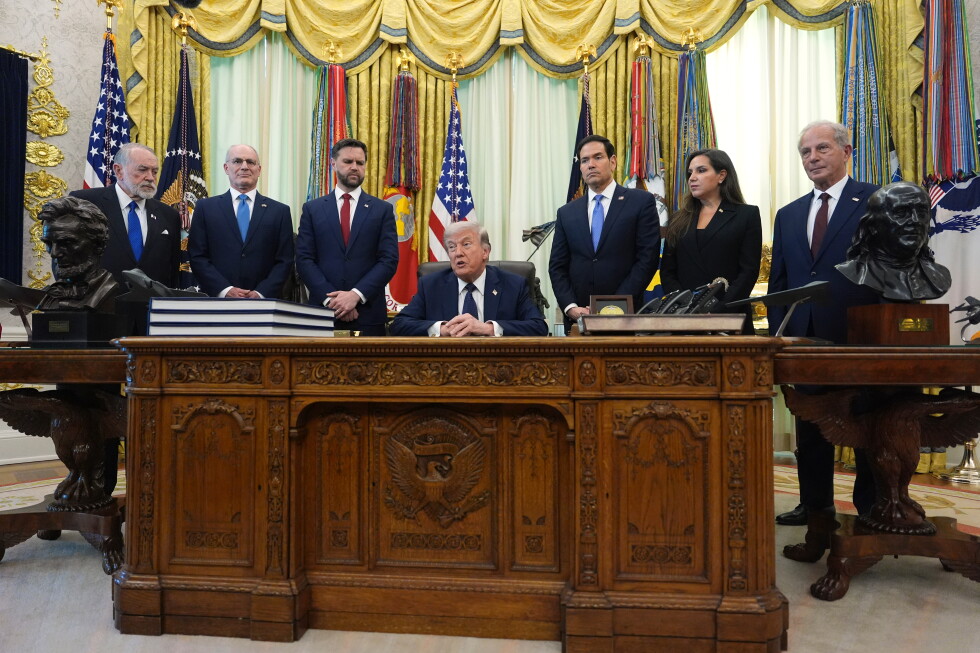
The Trump administration has announced a renewed ceasefire agreement framework between Israel and Lebanon, aimed at reducing hostilities and supporting broader diplomatic efforts involving Iran.
According to a joint statement from the US State Department, the deal requires a complete cessation of fire by the Iran-aligned Hezbollah movement and the withdrawal of its fighters from areas south of the Litani River in southern Lebanon. The agreement is being positioned as a stepping stone toward wider negotiations intended to de-escalate regional conflict.
Despite the diplomatic announcement, fighting has continued on the ground, with Israeli drone strikes reported in southern Lebanon’s Nabatieh region shortly after the agreement. Hezbollah, which was not part of the negotiations, has rejected partial ceasefire arrangements, while concerns persist over whether Israeli forces will fully withdraw from occupied border areas. The framework also proposes “pilot zones” where the Lebanese army would assume exclusive control, excluding non-state armed actors.
Previous ceasefire attempts have repeatedly collapsed amid mutual accusations of violations, and the latest round of Washington talks marks the fourth phase of direct diplomatic engagement since escalation resumed earlier in the year.
Israeli and Lebanese officials have continued parallel military actions, including cross-border strikes and retaliatory operations, even as negotiations proceed. Analysts say both sides appear to be attempting to gain strategic advantage on the ground ahead of any enforceable settlement.
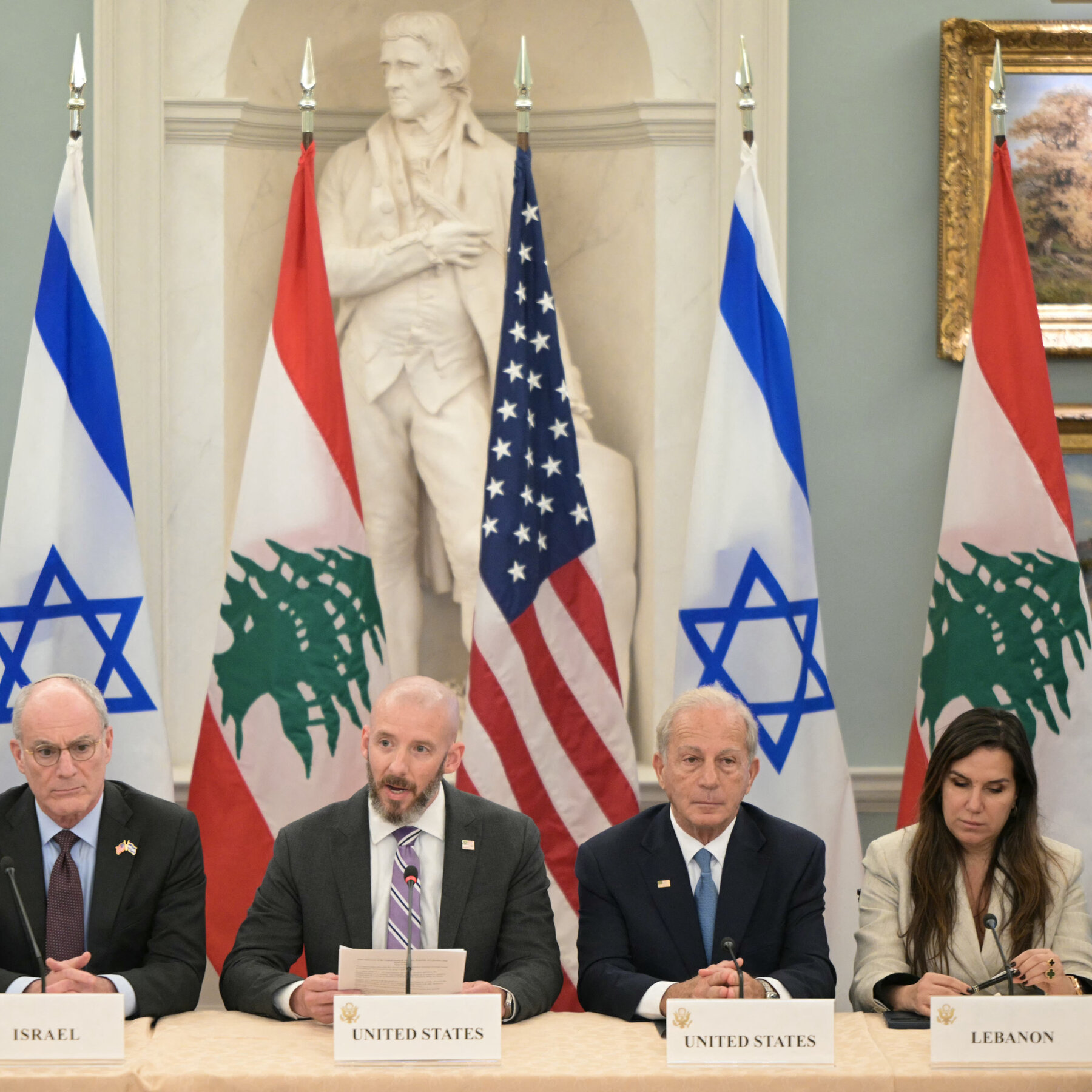
US President Donald Trump has also played a central role in pushing diplomatic efforts forward, reportedly engaging both Israeli leadership and regional stakeholders as part of broader negotiations linked to Iran. Israeli Prime Minister Benjamin Netanyahu has confirmed alignment with US objectives regarding Hezbollah’s disarmament, while tensions remain over continued strikes near civilian infrastructure in southern Lebanon, including hospitals and emergency facilities.
The wider regional context remains volatile, with ongoing exchanges involving Iran, Israel, and US forces contributing to uncertainty in global markets and energy stability. Political pressure is also mounting within the United States, where lawmakers are questioning the scope of executive authority in managing escalating overseas conflicts.
Despite diplomatic progress claims, continued military activity across multiple fronts underscores the fragility of the proposed ceasefire framework and the complexity of achieving a lasting regional settlement.